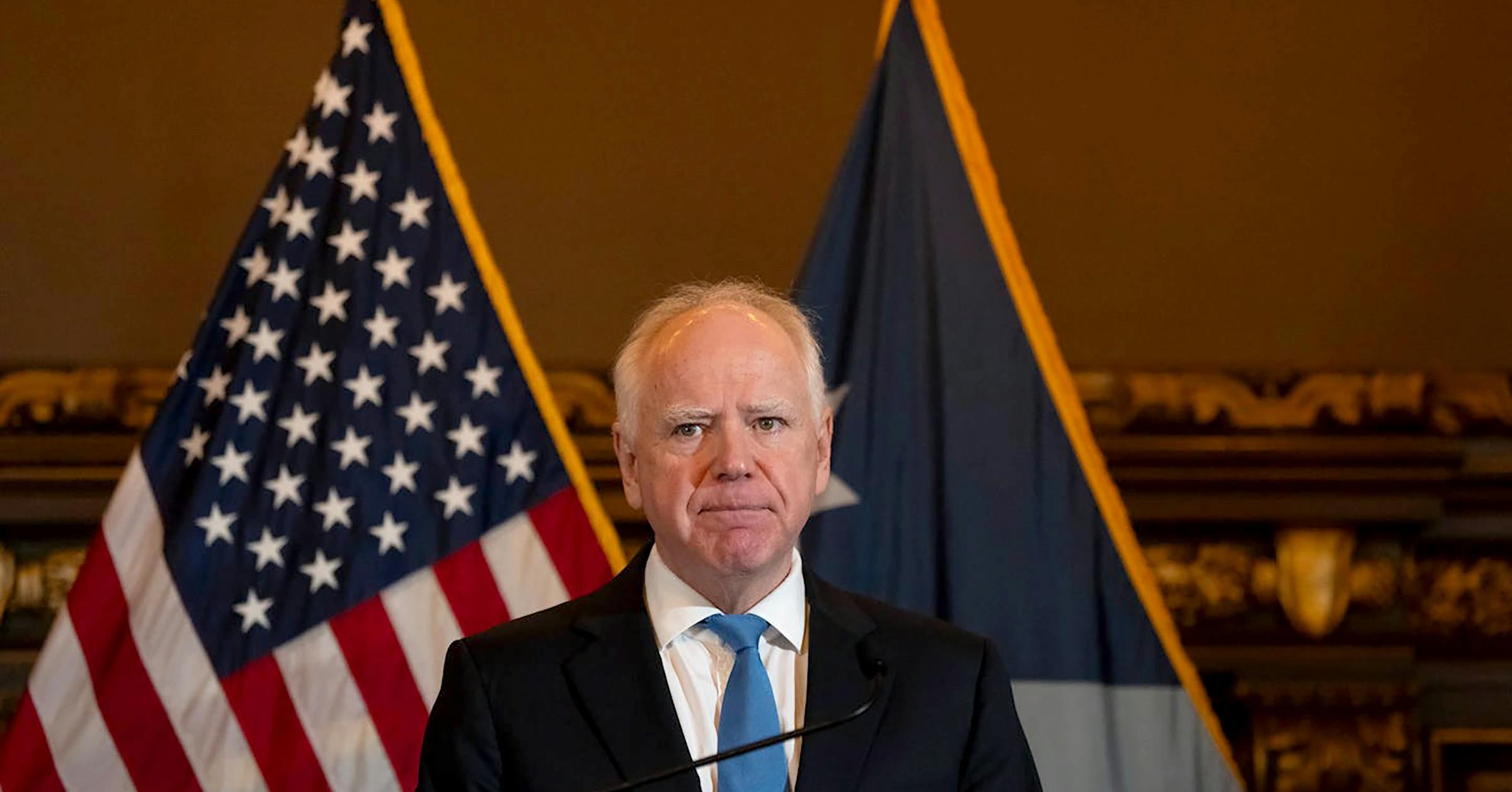
Minnesota Governor Tim Walz publicly condemned Operation Metro Surge and ICE tactics that he says place children at risk, sending a letter to DHS Secretary Kristi Noem demanding the removal of the federal force and answers on how many Minnesota children were detained and sent to out-of-state facilities. Walz highlighted the high-profile case of a Columbia Heights preschooler, Liam Conejo Ramos, who was released and returned after a court order, noted four students remain detained in Texas, and called for investigations into fatal shootings and alleged human-rights abuses — signaling heightened state-federal tensions and potential legal and reputational scrutiny of federal immigration enforcement, though with minimal direct market implications.
Market structure: Political backlash in Minnesota is a localized policy shock that benefits firms selling school safety/oversight hardware and software (AXON, ticker AXON; ADT, ADT) as districts accelerate procurement over 6–12 months, while privately run detention firms (CoreCivic CXW, The GEO Group GEO) face reputational/regulatory pressure that can compress valuation multiples by 10–30% if similar state actions spread. Competitive dynamics favor vendors of non-governmental legal/advocacy services and body‑cam/cloud-evidence platforms where one‑time procurement replaces recurring federal detention revenue streams. Supply/demand: near‑term demand shocks are political rather than macro — procurement spend shifts from federal detention contracts to local school security capex, modestly rebalancing vendor revenue mix over 2–4 quarters.
Risk assessment: Tail risks include rapid federal/state escalation — e.g., DHS withdrawal from state operations or state-level bans that strip ICE presence (low probability, high impact) which could reduce private detention utilization by >20% in affected states. Immediate (days): headline volatility and muni/legal bond spread moves; short (weeks–months): litigation risk and contract re‑bids; long (quarters): capital spending cycles for school security and GDPR‑style oversight increasing recurring SaaS revenue for evidence platforms. Hidden dependencies include federal funding strings—if DOJ/DHS redirects grants, muni budgets could be stressed; catalyst timeline: DHS response/Noem reply within 30 days and any state legislation in 60–180 days.
Trade implications: Establish small, tactical long exposure to AXON (AXON) and ADT (ADT) — 1–2% portfolio each, target +25–35% over 12 months, stop loss 12%. Initiate a 1% short exposure to GEO (GEO) or CXW (CXW) via 3–6 month puts (buy 6‑month 10–15% OTM puts) or short stock with protective calls; scale in if price falls >15%. Pair trade: long AXON vs short GEO to express reallocation from detention to oversight tech. Options: buy AXON 9–12 month call spreads to cap cost if school procurement timelines slip. Entry window: act on price weakness within next 30 trading days; trim if DHS issues national directives reversing state restrictions.
AI-powered research, real-time alerts, and portfolio analytics for institutional investors.
Request DemoOverall Sentiment
mildly negative
Sentiment Score
-0.25
Contrarian angles: Consensus will likely overreact to emotive headlines and oversell private prison stocks (creating a mean‑reversion opportunity) if federal detention demand is unchanged — tradeable if GEO/CXW decline >20% without legislative follow‑through. Historical parallel: post‑2018 local bans temporarily depressed utilization then stabilized when federal contracts reallocated — implying shorts should be sized conservatively and monitored for 60–120 day legislative outcomes. Unintended consequence: aggressive shorting of detention names could backfire if federal contracting shifts to larger incumbents (LHX/LMT) or results in consolidation, so cap exposure and use options to limit tail loss.
