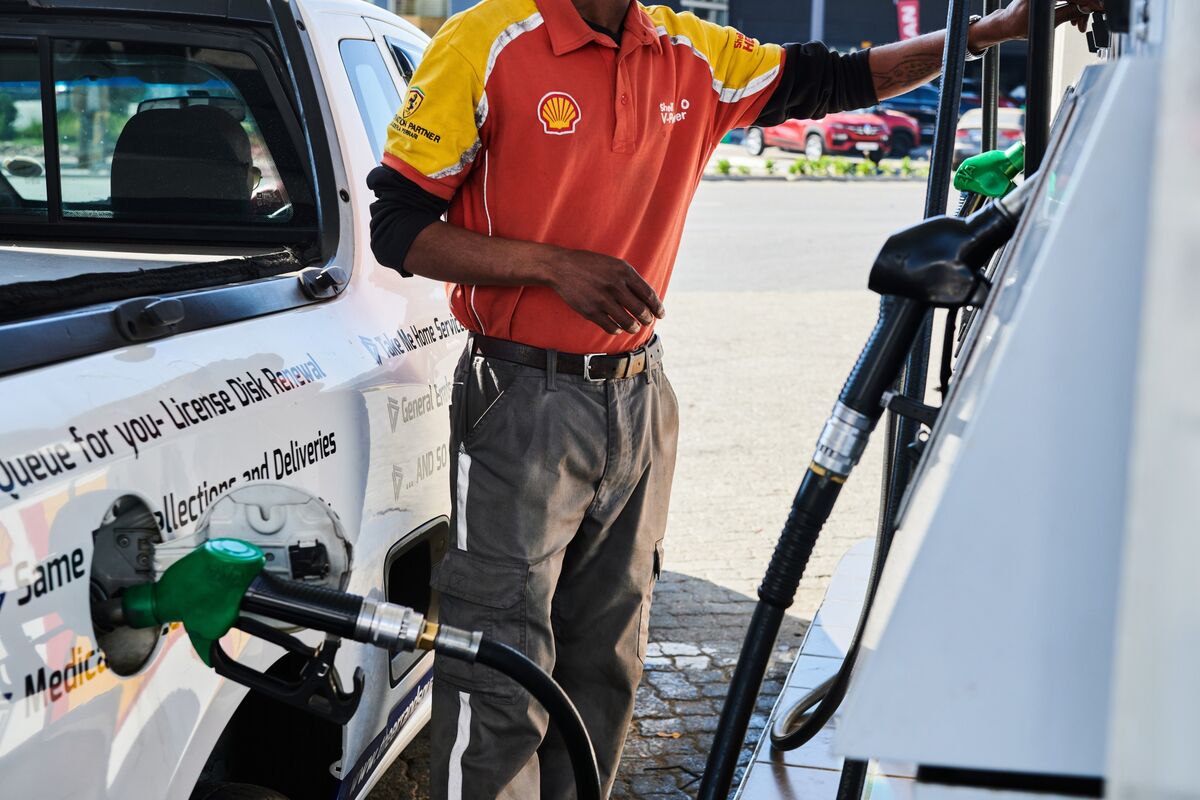
South Africa will cut the fuel levy by 3 rand per liter (~$0.18/liter) for both gasoline and diesel in April to offset the effect of surging oil prices on domestic pump prices. The temporary tax reduction is intended to blunt consumer price pressure from higher global oil costs and will be announced at a briefing later in the day.
The levy cut is a meaningful near-term fiscal stimulus to households that will mechanically reduce headline petrol/diesel pump contributions to inflation and free up cash for discretionary and transport spending. If the measure is sustained beyond a few months, a back-of-envelope suggests an annualised fiscal hit in the tens of billions of rand (order R40–80bn), which is large enough to widen the primary deficit by several tenths to >1ppt if not offset elsewhere — a non-trivial pressure on sovereign funding in a thin local market.
On a 0–3 month horizon, expect a visible boost to transport, quick-service retail and logistics margins as unit fuel cost drops, and a downward impulse to month-on-month CPI prints that could reduce near-term rate pressure from the SARB. Over 3–12 months the trade-off shifts: lower inflation risks a milder monetary path and a firmer ZAR, but persistent revenue loss elevates sovereign credit risk and could steepen long-end yields if investors demand higher term premia.
Secondary effects that are often overlooked include cross-border arbitrage and informal fuel flows (border communities and refinery logistics), which can amplify domestic demand volatility and increase import volumes if local prices diverge from neighbors. The policy also raises the probability the relief becomes semi-permanent — that would structurally compress government fiscal buffers and force either spending cuts or higher borrowing, creating a multi-year tail risk to ZAR sovereign duration instruments.
AI-powered research, real-time alerts, and portfolio analytics for institutional investors.
Overall Sentiment
mildly positive
Sentiment Score
0.10
