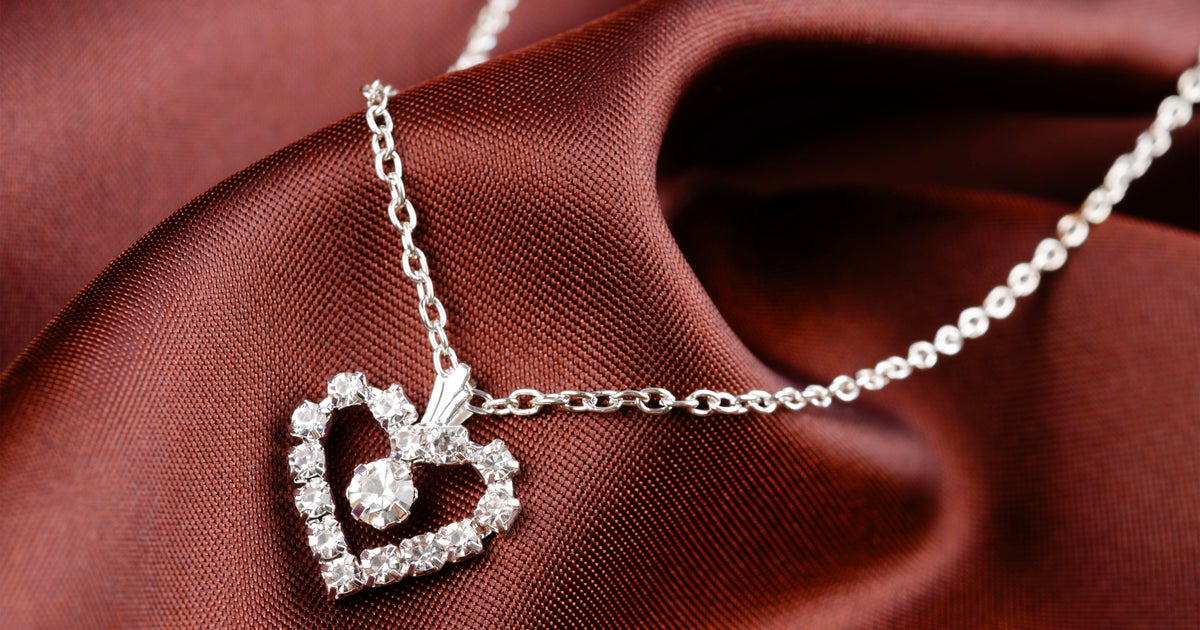
Pandora is shifting part of its product mix away from sterling silver toward platinum-plated versions of its best-selling bracelet to mitigate sharply higher silver input costs; the company will roll out platinum-plated bracelets later this year in 30 stores and online, with additional platinum charms planned for H2 2026. Silver has surged to $76.06/oz (up ~135% from $32.30/oz in early 2025) while platinum sits near $2,100/oz (up ~3% year-over-year), and Pandora expects the platinum-plated bracelet to retail at roughly the same ~$80 price point as the sterling silver version, preserving price accessibility and helping manage material-cost exposure.
Market structure: Pandora’s move to platinum-plated pieces directly benefits mid-tier jewelry retailers (Pandora — CPH:PNDORA) and suppliers of plating services/chemicals (e.g., Element Solutions, ELS) by stabilizing retail ASPs while reducing silver weight per unit. Losers include pure-play silver exposures — physical silver ETFs (SLV) and silver miners (PAAS, AG, SIL) — as jewelry demand is a low double-digit percent of annual silver demand and substitution could shave incremental demand (order of 1–3% of total demand) over 12–24 months. Pricing power shifts toward brands able to mask raw-material moves without raising prices; commodity-driven jewelry makers without branding power face margin compression.
Risk assessment: Tail risks include a sharp unwind of the silver investment rally (a 30–50% correction) if ETF flows reverse or Chinese policy shifts, regulatory action on labelling/plating, or reputational damage to Pandora that forces price concessions. Immediate (days) effects are sentiment moves in Pandora shares and SLV flows; short-term (weeks–months) will show inventory and margin revisions in earnings; long-term (quarters–years) the structural impact on silver demand depends on adoption rate — if >10% of global jewelry supply shifts to plating, that is material. Hidden dependencies: consumer perception of plated vs solid and plating-capacity bottlenecks could create second-order price effects on service providers.
Trade implications: Tactical: favor branded jewelers with pricing power (establish 2–3% long in PNDORA CPH:PNDORA, hold to H2 2026 rollout, stop-loss 8%, re-evaluate on FY H1 2026 margins). Hedge metal exposure: buy a 4–6 month SLV put spread approx. 20–35% below spot (e.g., 60/50 if SLV ~76) sized to offset 25–50% of silver price delta. Defensive rotation: trim silver miners exposure by 30–50% (SIL/PAAS/AG) and redeploy 1–2% into plating-chemicals ELS, which benefits from increased plating volumes.
Contrarian angles: The market may overestimate platinum demand from “platinum-plated” moves — plating uses grams per piece, not ounces, so expect negligible upward pressure on physical platinum (PPLT). Conversely, the silver rally is largely investment-driven; jewelry substitution is a small but meaningful supply-side relief that could act as a pressure valve, not a primary driver of prices. Historical parallel: 2011 silver spike showed investment flows can dominate fundamentals; a modest rollback in investor flows would hurt miners and SLV more than branded retailers. Unintended consequence: widespread plating could erode perceived value and ASPs long-term, creating brand risk for Pandora if consumers downgrade willingness-to-pay.
AI-powered research, real-time alerts, and portfolio analytics for institutional investors.
Request DemoOverall Sentiment
mixed
Sentiment Score
0.00
