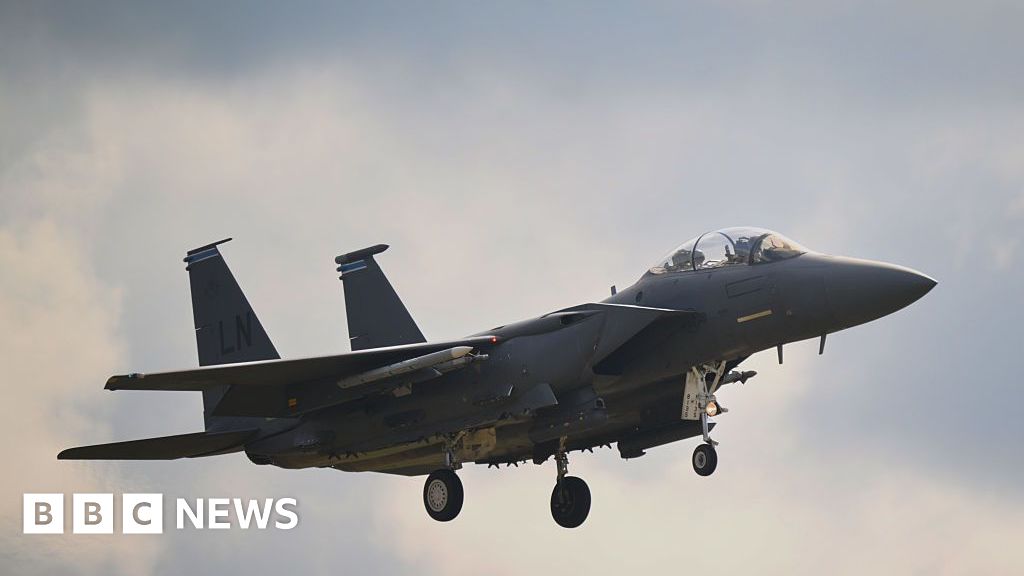
Key event: an F-15 was downed over Iran and a US weapons systems officer is missing, with Iranian forces reportedly offering a ~$66,000 reward for capture — raising hostage/propaganda and escalation risks and recalling precedent of asset concessions (~$8bn) after the 1979 hostage crisis. President Trump set a deadline of 6 Apr to reopen the Strait of Hormuz or face strikes on energy infrastructure, increasing the probability of strikes, Gulf military build-up, and disruption risk to oil shipping and prices. Expect elevated energy-market volatility, higher risk premia on Gulf operations and insurance, and acute political pressure in Washington that could force either rapid escalation or urgent backchannel negotiations.
The market will price a persistent Gulf-risk premium into energy, shipping and defense for weeks-to-months even if kinetic escalation remains limited. Expect crude and refined-product spreads to widen and tanker spot rates to spike 20–40% within 2–6 weeks as insurance surcharges and voyage rerouting take effect; that transmission favors tanker owners and pipeline operators at the expense of refiners with tight crack spreads.
On a 3–12 month horizon, political risk can crystallize into faster procurement and re‑prioritization of capital budgets: prime contractors and niche component suppliers (radar, EW, ISR) are likely to see modestly higher order visibility and margin resilience, while commercial aerospace and regional carriers face demand drag and higher insurance costs. Sanctions and export-control risk also raise the probability of supply‑chain fragmentation for energy equipment and avionics — expect bottlenecks in specialized electronic components to extend lead times by 3–9 months.
Tail outcomes create asymmetry: a rapid, verifiable de‑escalation or release of detained personnel would erase the risk premium in days and cause a snap reversal in oil/shipping/defense trades; conversely, hostage politicization or strikes on energy infrastructure could sustain a multi‑quarter repricing in energy security assets. Key real-time indicators to watch as catalysts are Brent vs WTI differential, tanker TC rates, defense sector CDS, and diplomatic communications cadence (verified meetings or releases) — use those to gate position sizing and timing.
AI-powered research, real-time alerts, and portfolio analytics for institutional investors.
Request DemoOverall Sentiment
strongly negative
Sentiment Score
-0.65
