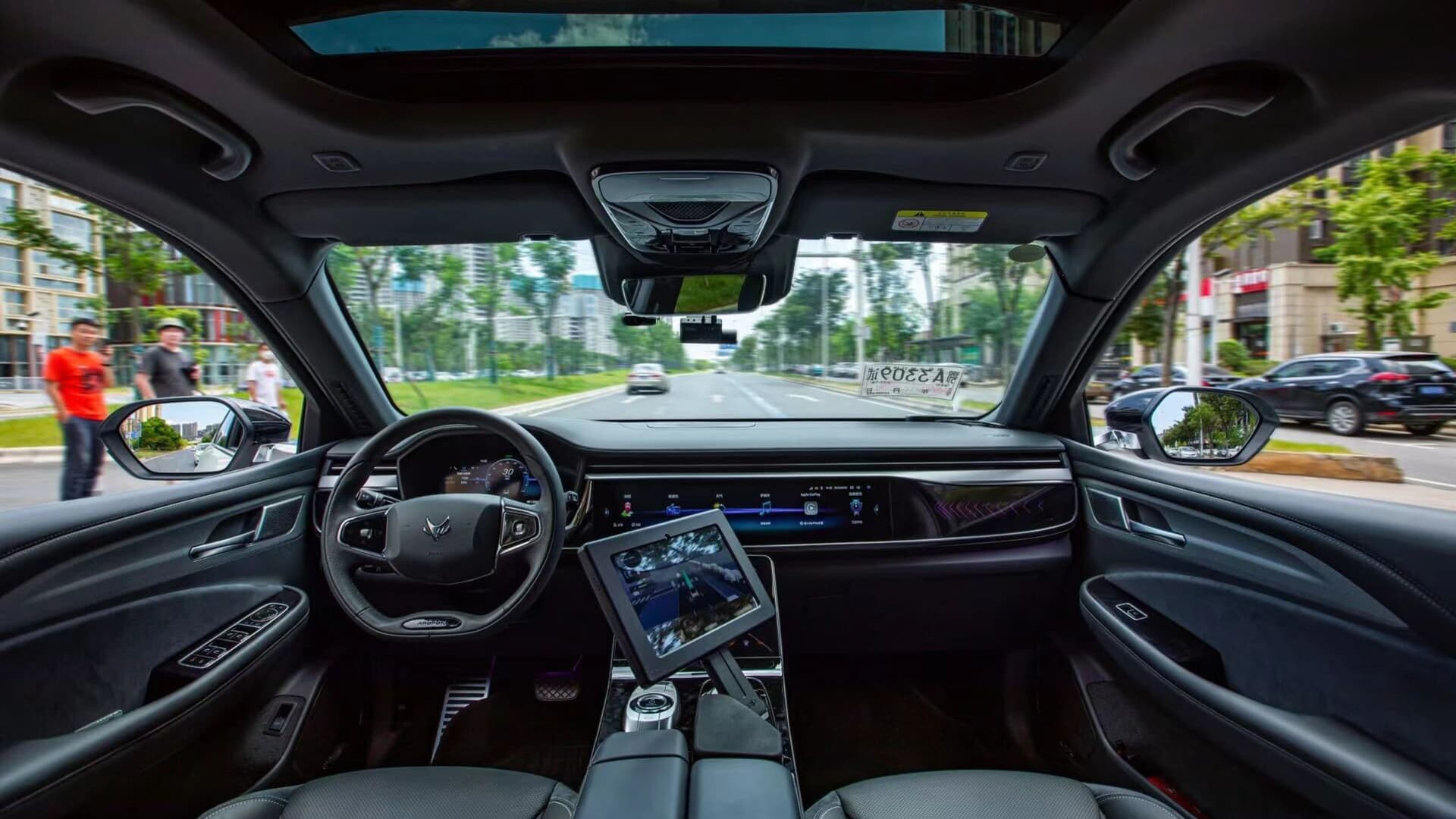
Chinese robotaxi players led by Baidu, Pony.ai and WeRide are accelerating overseas expansion and claiming early signs of commercial viability as the industry hits an inflection point, with Goldman Sachs estimating the market could exceed $25 billion by 2030; Baidu says its Apollo Go unit has reached per-vehicle profitability in Wuhan (where it runs over 1,000 cars) and is producing EV robotaxis at roughly half the cost of third-party vehicles. Strategic tie‑ups (including Uber partnerships), recent permits to charge fares in Abu Dhabi, and planned rollouts across the Middle East and Europe contrast with U.S. peers — Waymo operates more than 2,500 vehicles but has not disclosed break‑even targets — underscoring scale as the key determinant of profitability. While none of the major operators has reported fatalities and regulators in China are expected to increase support, coverage remains limited to selected zones and regulatory uncertainty is the principal adoption risk even as HSBC projects fleets could scale from a few thousand to tens of thousands by 2026.
Chinese robotaxi operators are accelerating overseas expansion and claiming early commercial traction; Baidu's Apollo Go reports per-vehicle profitability in Wuhan where it operates over 1,000 vehicles, citing fares about 30% cheaper than Beijing/Shanghai and in-house EV robotaxi units that are ~50% cheaper than third-party vehicles, while Goldman Sachs estimates the addressable robotaxi market could exceed $25 billion by 2030. Strategic partnerships and regulatory milestones are tangible near-term catalysts: Baidu, Pony.ai and WeRide have Uber tie-ups and received permits to charge fares in Abu Dhabi (WeRide on Oct. 31; Apollo Go operating under AutoGo), and Pony.ai won citywide approval for Shenzhen, widening operational coverage. Scale and data are the primary determiners of unit economics and safety performance; Waymo operates >2,500 vehicles but has not disclosed break-even targets, Tesla has only recently expanded testing in the U.S., and Chinese players cite fleet size targets (Pony.ai and WeRide aim for ~1,000 vehicles in the Middle East/region). Regulatory coverage remains limited to selected zones and no operator has reported fatalities, but persistent regulatory uncertainty and concentration risk mean profitability claims require verification across multiple cities and fare structures before being treated as durable.
AI-powered research, real-time alerts, and portfolio analytics for institutional investors.
Request DemoOverall Sentiment
moderately positive
Sentiment Score
0.50
Ticker Sentiment
