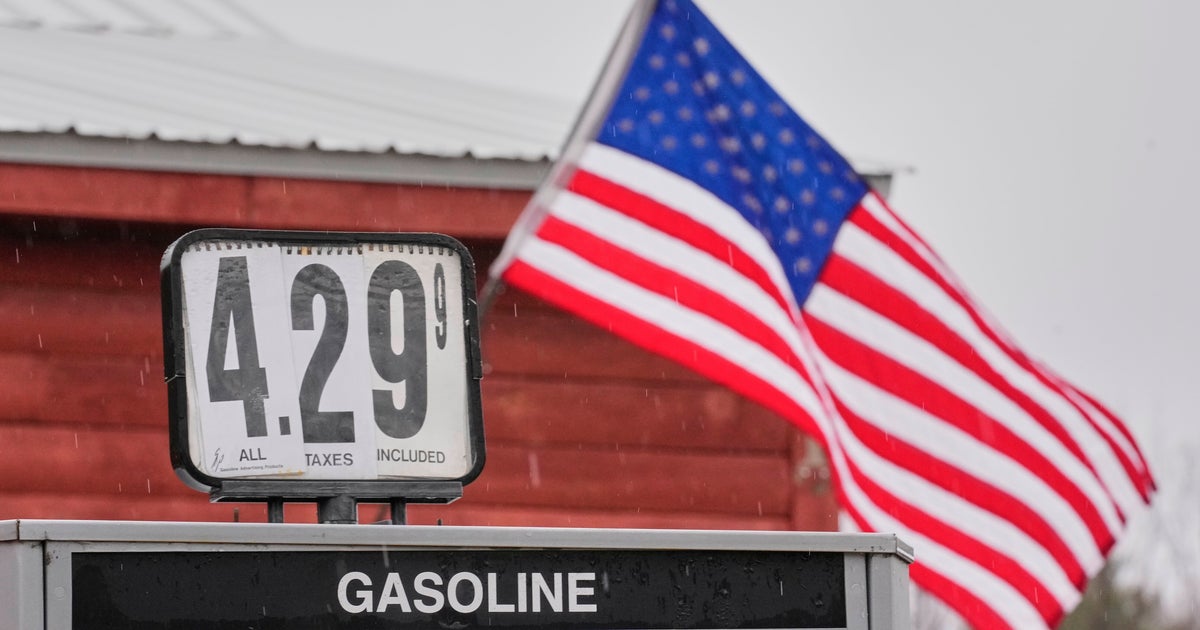
U.S. average regular gasoline rose to $4.02/gal — more than $1 higher than before the Iran war — as Brent and U.S. crude exceed $100/bbl (from roughly $70 pre-conflict). Diesel averaged $5.45/gal (vs ~$3.76 pre-war), increasing trucking and delivery costs and raising upside inflation and grocery-price risk that could depress consumer discretionary spending. Strait of Hormuz disruptions and strikes on oil/gas facilities are driving volatility and could push retail gasoline toward $4.50–$5.00/gal if sustained, creating material sector and macro headwinds.
The current geopolitically-driven fuel shock is amplifying margin pressure along transport-intensive parts of the economy with a distinct time-stagger: trucking and parcel operators feel the pain almost immediately via fuel and route reconfigurations, grocers and restaurants see pass-through within 1–3 months as inventory turns, while consumer durable discretionary demand starts to reprice over 3–9 months. Expect freight tender rejection rates to stay elevated and contract re-bids to accelerate—that materially raises realized opex for asset-light carriers that cannot hedge fuel forward.
Refining and regional logistics arbitrage is the hidden lever. Gulf Coast refiners and export hubs can monetize wider international spreads and capture incremental export margins, whereas constrained coastal refining systems and inland distribution bottlenecks will see crack spreads compressed and localized pump premiums persist. Watch prompt calendar spreads and inland diesel/ULSD futures as early signals of physical tightness versus paper volatility.
Macro knock-on: a persistent run-up in transport fuel acts as a tax on real incomes, compresses discretionary spend, and increases upside risk to near-term services inflation—this raises the probability of market repricing of rate path within a 3–6 month window. However, most of this is concentrated and asymmetric: names with direct fuel exposure (parcel, airlines) will see operating leverage bite quickly; membership and wholesale retailers with on-site fuel (and sticky basket economics) are defensive beneficiaries if the shock persists.
AI-powered research, real-time alerts, and portfolio analytics for institutional investors.
Overall Sentiment
mildly negative
Sentiment Score
-0.35
Ticker Sentiment
