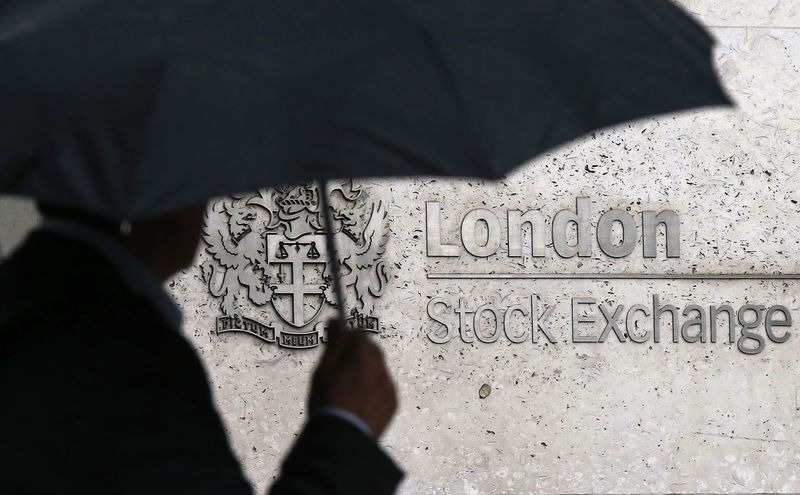
Trump said U.S. forces could withdraw from Iran within 2-3 weeks, sending oil below $100/bbl and triggering European equity rallies: FTSE 100 +1.7%, DAX +2.7%, CAC 40 +2.2%, and GBP/USD +0.4% to 1.3280. Berkeley Group halted land acquisitions and adjusted its medium-term plan to April 2030 while still forecasting >£1.4bn pre-tax profit over the four-year period; Topps Tiles reported H1 revenue £142.7m (-0.1% YoY) with like-for-like +0.1%; Babcock agreed a six-month MOD bridge contract with a Letter of Intent for a long-term relationship. Overall, the geopolitical de-escalation is easing energy-risk premia and lifting equities (risk-on), though Berkeley's pause signals caution for UK housing exposure.
Recent geopolitical de‑risking has removed a near‑term risk premium from energy and freight markets, which transmits quickly into lower forward fuel hedges for airlines and container lines within 2–8 weeks and into refinery throughput economics within one month. That lowers input-cost volatility for consumer discretionary and logistics businesses, but it also compresses the incremental free cash flow available to upstream producers — the marginal $/bbl change now flows almost entirely to balance sheets rather than capex for many independents, tightening the squeeze between cash yields and reinvestment needs.
In the UK context, a pivot away from tail‑risk lifts cyclical allocations and reduces FX safe‑haven flows, benefitting domestically exposed builders and large-cap cyclicals over globally‑oriented exporters; however, firms that have materially deferred land or capex today are effectively shifting margin realization out 2–7 years, increasing medium‑term convexity in returns. Defense and services suppliers now trade on contract‑execution risk rather than headline demand for capacity — short bridging deals remove immediate downside but leave optionality tied to competitive long‑term awards and political budget cycles over 6–18 months.
Key near‑term reversal catalysts are clear: any renewed hostilities, a coordinated OPEC+ counter‑move, or a surprise inventory draw would reprice risk premia within days; conversely, sustained lower headline energy costs would likely shave core inflation by 20–40bp over 3–6 months, materially shifting the Bank of England and BoE‑sensitive sectors. The consensus is embracing a simple ‘risk‑on’ rebalance; the overlooked asymmetry is that a supply shock from limited spare capacity can reintroduce a large discontinuity (10–20% move) far faster than demand recovers, arguing for option‑based protection rather than naked exposures.
AI-powered research, real-time alerts, and portfolio analytics for institutional investors.
Request DemoOverall Sentiment
mildly positive
Sentiment Score
0.25
Ticker Sentiment
