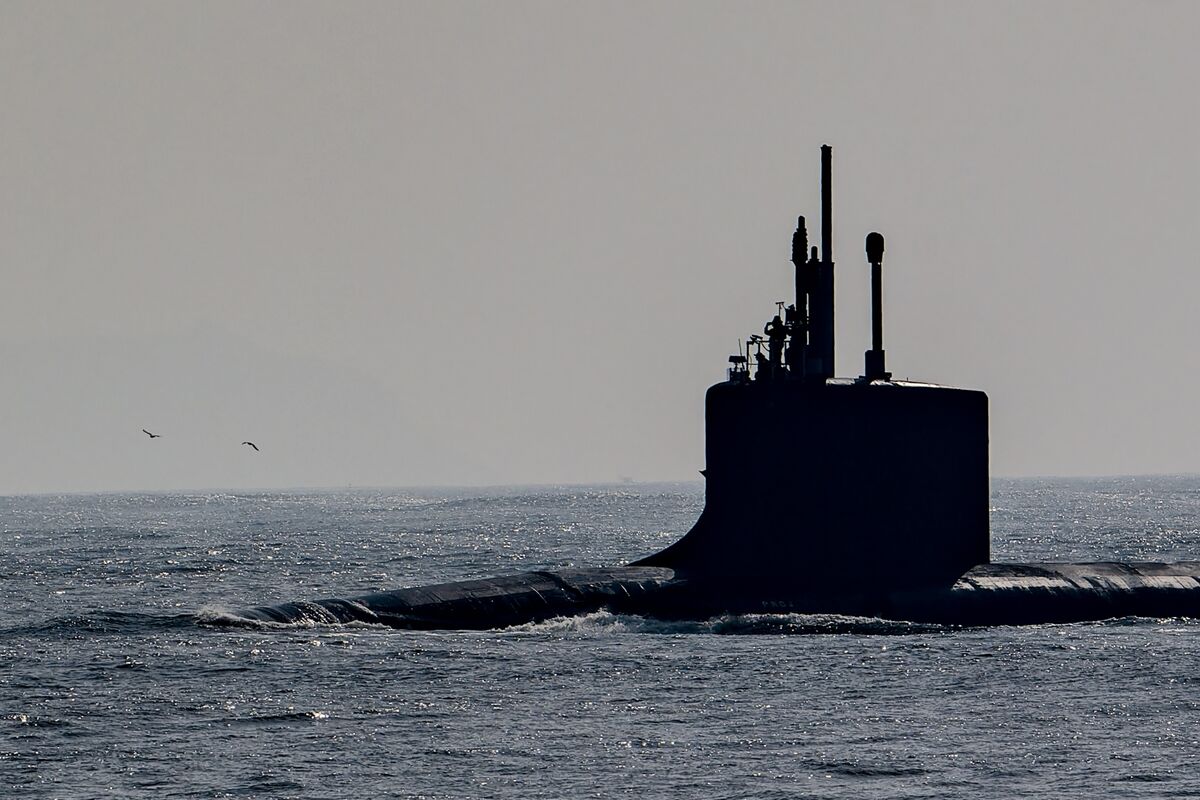
The Pentagon has endorsed the AUKUS security pact after a five-month review, backing plans to provide Australia with nuclear-powered submarines and to share critical technologies among the US, UK and Australia. The endorsement, framed as consistent with President Trump’s directive to move "full steam ahead," formalizes trilateral defense cooperation and could accelerate long-term procurement, industrial participation and technology-transfer decisions that benefit defense contractors and allied supply chains over multiple years.
Market structure: AUKUS endorsement concentrates multi-decade, high-margin demand into a narrow set of prime contractors and specialized suppliers—GD (Electric Boat), HII, LMT, NOC, RTX and LHX are direct beneficiaries via submarine hulls, combat systems and secure comms. Expect pricing power on specialist naval components and shipyard capacity; shipbuilding lead times will extend (5–10+ years per hull) creating backlog visibility and higher tender margins for primes. Secondary beneficiaries include industrial metals (steel, nickel) and selected aerospace/defense supply chains; civilian uranium miners see only marginal, long-latency upside.
Risk assessment: Key tail risks are program cancellations or severe export-control friction with allies, major cost overruns leading to capped government payments, and geopolitical escalation with China triggering sanctions or supply-chain bans—each could halve expected IRR for contractors. Timing is multi-phased: immediate market reaction negligible (days), order-book growth over 6–24 months, full revenue realization over 5–15 years. Hidden dependencies include scarce nuclear-qualified labor, specialized component bottlenecks, and domestic political cycles in Canberra/London/Washington that can pause funds.
Trade implications: Tactical long exposure to GD, HII and XAR (ETF) favors backlog-to-market-answering contractors: consider 2–3% portfolio positions in GD/HII or 4–5% in XAR, scaling into confirmed contract awards (target window 6–18 months). Use 9–18 month call spreads (buy LEAP ~10–15% OTM, sell 30–40% OTM) on GD/HII to limit premium; complement with 2–4% allocation to CCJ (uranium) as long-duration thematic hedge. Rotate out of high-beta commercial shipbuilders and select export-exposed subcontractors if program-specific content cannot be verified.
Contrarian angles: The market underappreciates schedule risk and transfer restrictions—real profits may skew to US primes, not UK/AUS local yards, and civil nuclear tailwinds are uncertain. Expect repeated headline-driven volatility; a >20% run-up in prime contractors before contract awards is likely overdone. Historical parallels (F‑35, Virginia‑class) point to multi-year cost creep and political renegotiations—price in 15–30% program cost escalation when sizing positions.
AI-powered research, real-time alerts, and portfolio analytics for institutional investors.
Request DemoOverall Sentiment
mildly positive
Sentiment Score
0.25
