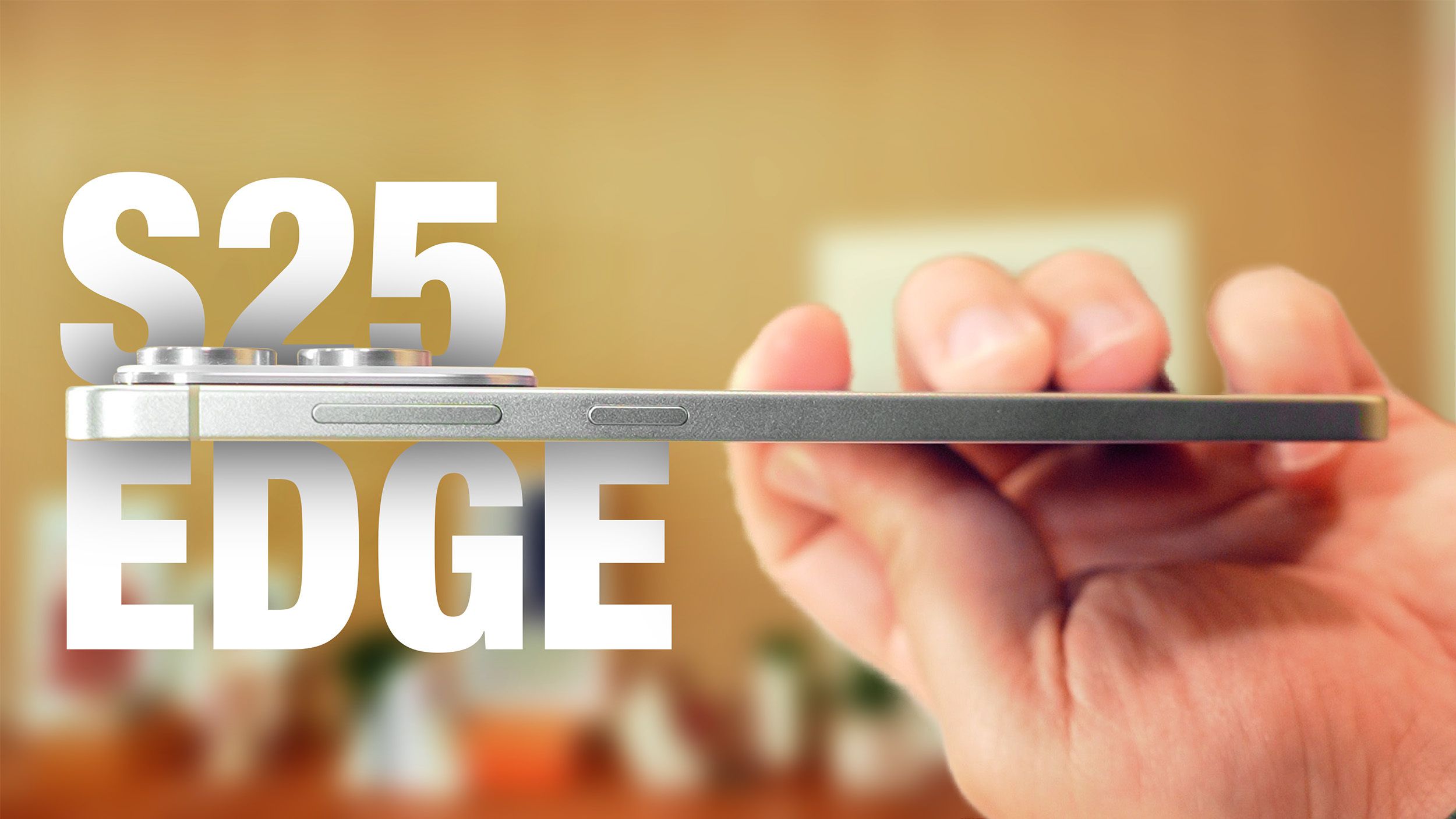
Samsung has abruptly canceled the development of its planned Galaxy S26 Edge smartphone, discontinuing the ultra-slim product line due to disappointing sales and weak consumer demand for the Galaxy S25 Edge. The S25 Edge, which featured a thin 5.5mm profile and reduced battery capacity, failed to gain traction, prompting Samsung to revert its strategy to focus on the more conventional "Plus" form factor and a traditional three-tier lineup. This strategic shift, occurring less than five months after the S25 Edge's debut, suggests broader market challenges for ultra-slim flagship devices, potentially impacting competitors like Apple's iPhone Air, which has also reportedly experienced lower-than-expected demand.
Samsung has abruptly halted development of its Galaxy S26 Edge, discontinuing the ultra-slim product line just five months after the Galaxy S25 Edge's May debut. This strategic reversal stems from disappointing sales and weak consumer demand for the S25 Edge, which faced criticism for its high price and reduced 3,900mAh battery capacity, a direct consequence of its 5.5mm profile. The company's internal discussions in September confirmed that the market for niche thin designs was weaker than anticipated.
This decision signifies a significant shift in Samsung's product strategy, moving away from ultra-slim flagships to re-emphasize the more conventional "Plus" form factor. Samsung plans to add a Galaxy S26 Plus model to its 2026 lineup, reverting to its traditional three-tier structure of base, Plus, and Ultra variants. This pivot suggests a prioritization of broader consumer appeal over design-driven compromises on durability and battery life.
The challenges faced by Samsung's ultra-slim Edge series indicate a potential broader market trend of waning consumer appetite for excessively thin devices that compromise functionality. This sentiment is echoed by Apple analyst Ming-Chi Kuo's observation that the iPhone Air, a rival ultra-slim model, was readily available at launch due to lower-than-expected demand. This suggests that the market's reception of such form factors may be broadly negative, impacting competitors like Apple (AAPL) as well.
AI-powered research, real-time alerts, and portfolio analytics for institutional investors.
Overall Sentiment
moderately negative
Sentiment Score
-0.60
Ticker Sentiment
