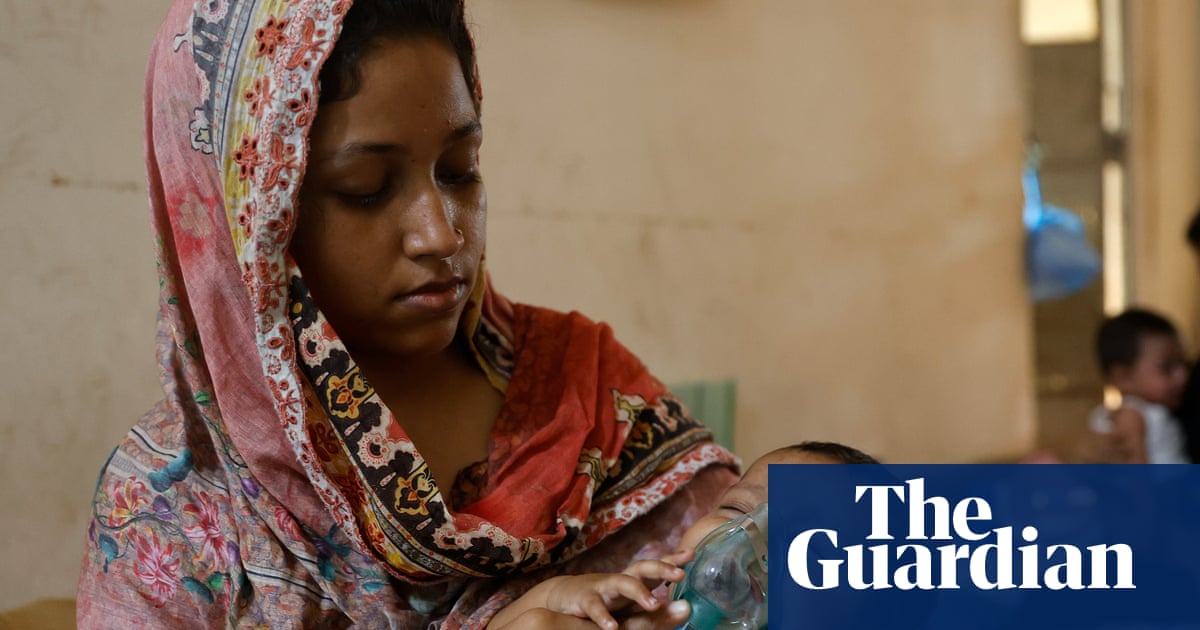
More than 100 children have died and over 900 measles cases were confirmed in Bangladesh since March, prompting a UN-backed emergency measles-rubella vaccination drive focused on children aged 6 months–5 years in high-risk districts. UN/UNICEF stress a 95% vaccination threshold to halt spread; Bangladesh’s fully immunised coverage is 81.6% (population ~170m) and one-third of cases are in infants under nine months, highlighting critical immunity gaps. Authorities and the new government blame disrupted vaccine procurement and campaign gaps following political turmoil after the 2024 uprising; the current administration took power in February.
The immediate market consequence is a short, high-intensity procurement shock that favors firms with ready inventories, broad manufacturing footprints, and logistical reach rather than those that would benefit from multi-year capacity expansion. Expect two-to-eight week order fulfillment cycles to drive near-term revenue/EBITDA beats for syringe/cold-chain/distribution providers while vaccine manufacturers’ full-cycle output can only move meaningfully on a 6–18 month horizon.
A critical second-order dynamic is donor reallocation: international agencies will prioritize rapid containment, which creates cross-border displacement of doses and consumables and tightens spot markets for cold storage and transport; this benefits providers of modular logistics capacity and distributors able to invoice donors quickly. Conversely, this reallocation is a near-term risk to routine immunisation programs in other countries, creating knock-on reputational and political pressure that could accelerate larger-scale pooled purchases or stockpile releases within 4–12 weeks.
Tail risks are geopolitical and funding-driven. Renewed domestic instability or cash-flow bottlenecks at major donors would prolong shortages and amplify premium pricing for spot suppliers, while a coordinated stockpile release or diversion of existing program doses would quickly normalize prices and volumes. Monitor WHO/Gavi procurement announcements and NGO funding disbursements on a weekly cadence — they are the most likely catalysts to reverse the current procurement premium.
AI-powered research, real-time alerts, and portfolio analytics for institutional investors.
Request DemoOverall Sentiment
strongly negative
Sentiment Score
-0.60
