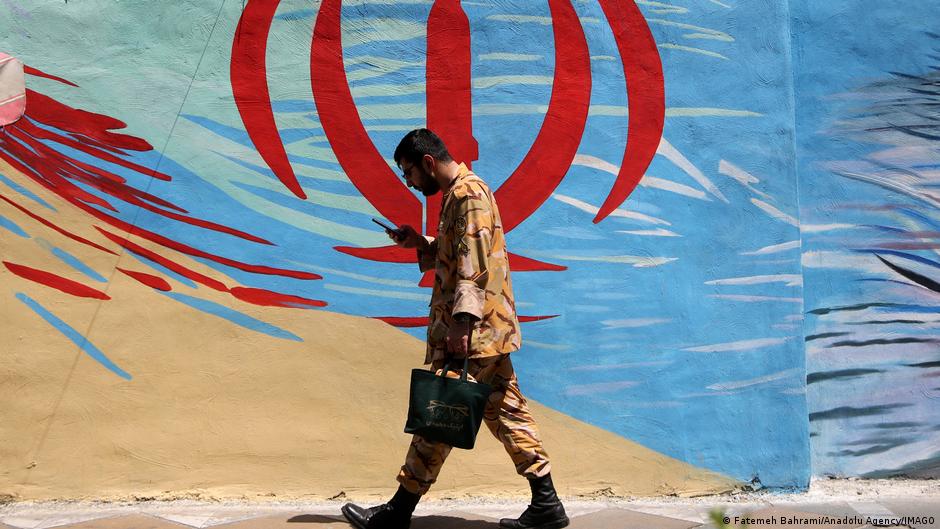
Pakistan has delivered a revised peace proposal from Iran to the US as ceasefire talks remain stalled, with both sides warning there is little time to narrow differences. Key sticking points include Washington's demand that Iran end its nuclear program and de facto blockade of the Strait of Hormuz, which handles about one-fifth of global oil and LNG flows. Trump said he would hold off on a strike for now, but the risk of renewed escalation remains high and could disrupt energy markets.
The key market implication is not just headline risk to crude, but a renewed premium for supply-chain fragility around the Strait of Hormuz. Even a short-lived escalation would disproportionately hit the front end of the oil curve and LNG-linked shipping rates, while the longer-dated curve may lag if traders believe the US will continue to use diplomacy as a brake on full disruption. That sets up a classic dislocation: physical barrels and freight react first, while equities with embedded geopolitical optionality reprice more slowly.
The second-order winner is likely US energy self-sufficiency and defense-adjacent infrastructure, not broad oil beta. If negotiations keep stalling, midstream pipelines, storage, and domestic refiners should outperform upstream producers because they benefit from higher volatility and regional basis widening without being as exposed to a demand-destruction unwind. Conversely, airlines, chemical producers, and European industrials remain the most vulnerable to even a modest spike in bunker fuel and gas input costs.
The biggest catalyst window is days to weeks, not months: a single failed round of talks or a retaliatory incident could gap Brent sharply higher before policy responses arrive. But the contrarian risk is that the market may be overpricing immediate supply loss relative to the more likely outcome of intermittent brinkmanship; if Gulf states keep mediating and Washington avoids kinetic action, implied geopolitical premium can bleed out quickly. In that scenario, short-vol energy expressions should outperform outright directional longs.
Watch for signs that China quietly leans on Tehran behind the scenes; if Beijing signals enforcement of trade or payment constraints, Iran’s bargaining power weakens materially and the escalation path shortens. If not, the standoff can persist long enough to create repeated spike-and-fade trades in energy and defense rather than a clean secular rerating.
AI-powered research, real-time alerts, and portfolio analytics for institutional investors.
Request DemoOverall Sentiment
moderately negative
Sentiment Score
-0.35
