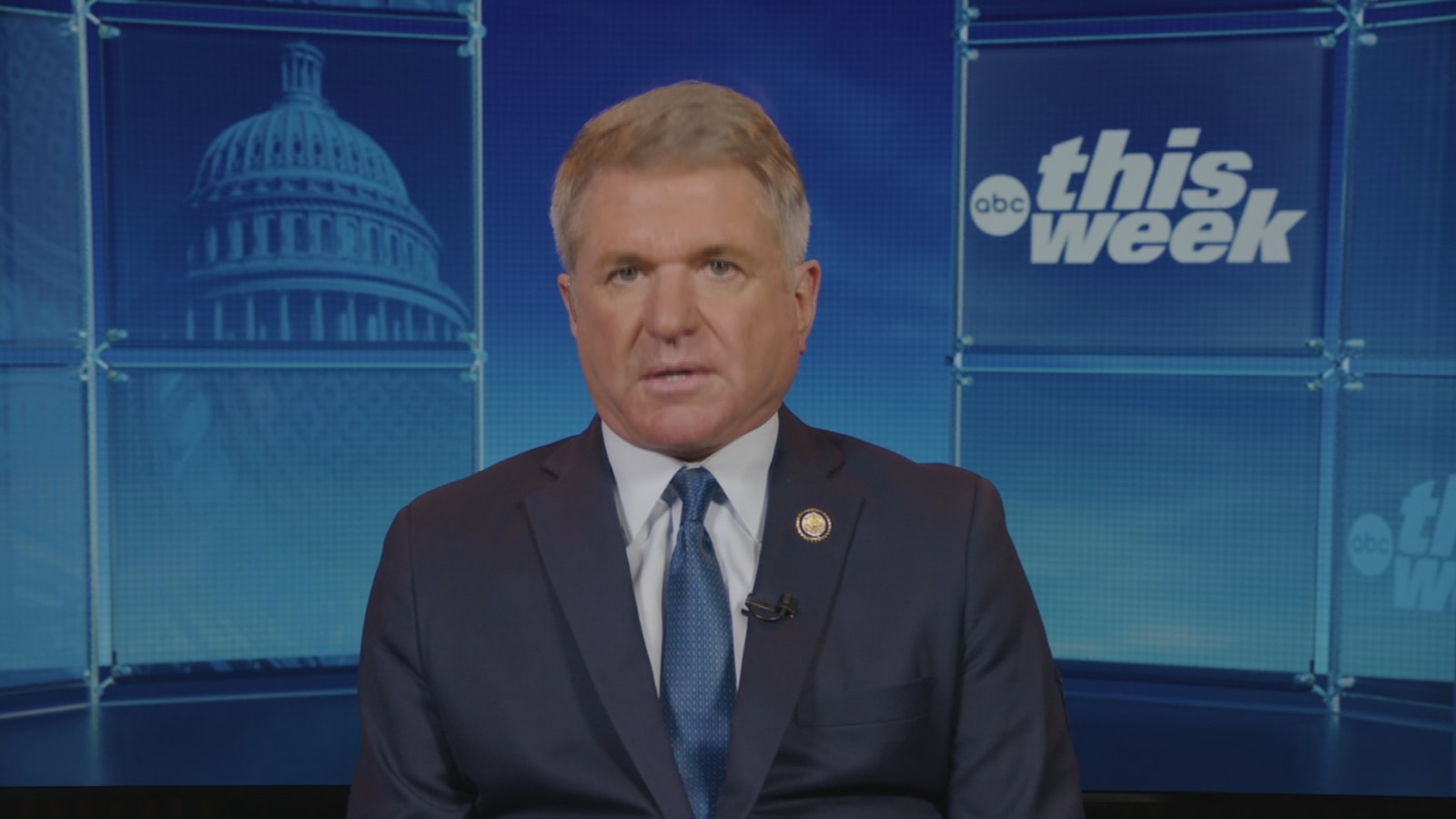
Rep. Michael McCaul warned Ukraine against signing President Trump's 28-point peace proposal without 'ironclad' security guarantees, saying Kyiv should not accept terms that could leave it vulnerable to future Russian aggression. The proposal—drafted by US special envoy Steve Witkoff with input from Sen. Marco Rubio and coordinated with Moscow—would reportedly limit Ukraine's military to 600,000 personnel, bar NATO membership and require ceding eastern territory; it faces bipartisan Congressional and European pushback as US officials meet a Ukrainian delegation in Geneva. Acceptance or rejection of the plan would materially reshape the trajectory of the nearly four-year war and could shift defense, energy and geopolitical risk premia for investors.
Market structure: The proposed US-brokered 28-point plan increases near-term geopolitical uncertainty, creating a binary outcome: de-escalation (capitulation) that would pressure energy and commodity prices, or rejection/escalation that boosts defense and energy premiums. Short-term winners if capitulation occurs are Russian energy exporters and cyclical European exporters; losers are front-line defense suppliers and US equipment manufacturers facing reduced urgent demand. Cross-asset: expect safe-haven bids (gold, USD, long-duration Treasuries) on negative risk sentiment, with FX swings (EUR and RUB sensitive within ±3-7% over days depending on headlines).
Risk assessment: Tail risks include a sudden cutoff of US security assistance (Congressional vote or executive decision) causing a ~15-30% gap move lower in top defence names within weeks, or conversely a renewed offensive from Russia if talks fail, pushing oil >$100/bbl and defense equities up 10-25% over months. Immediate horizon (days) = headline-driven volatility; short-term (weeks–months) = funding/aid votes and NATO responses; long-term (quarters–years) = structural European rearmament/energy realignment. Hidden dependencies: EU political cohesion, LNG winter supply curves, and US domestic politics can flip these outcomes quickly.
Trade implications: Construct conditional trades with event triggers. If Geneva/72-hour window yields clear progress toward capitulation, tactically short oil (WTI) via futures or buy 6–9 month $75–$85 puts; rotate to long European exporters and Russian-facing commodity plays. If plan is rejected or US aid is sustained, buy 9–15 month call spreads on LMT/NOC/RTX (7–12% OTM) and add gold hedges. Use volatility-selling (short-dated iron condors) only around calm windows; otherwise prefer directional options.
Contrarian angles: Markets assume a simple binary; they underprice a prolonged frozen conflict where Europe re-armes and buys US systems, supporting defense OEMs for years even if a short-term deal is signed. The overreaction to headlines can create 10–20% mispricings in mid-cap defense suppliers and specialty suppliers (avionics, munitions), which historically recover strongly over 12–36 months after geopolitical shocks. Unintended consequence: partial US withdrawal accelerates EU defense procurement—look for winners among US exporters with long-term order books.
AI-powered research, real-time alerts, and portfolio analytics for institutional investors.
Request DemoOverall Sentiment
moderately negative
Sentiment Score
-0.45
