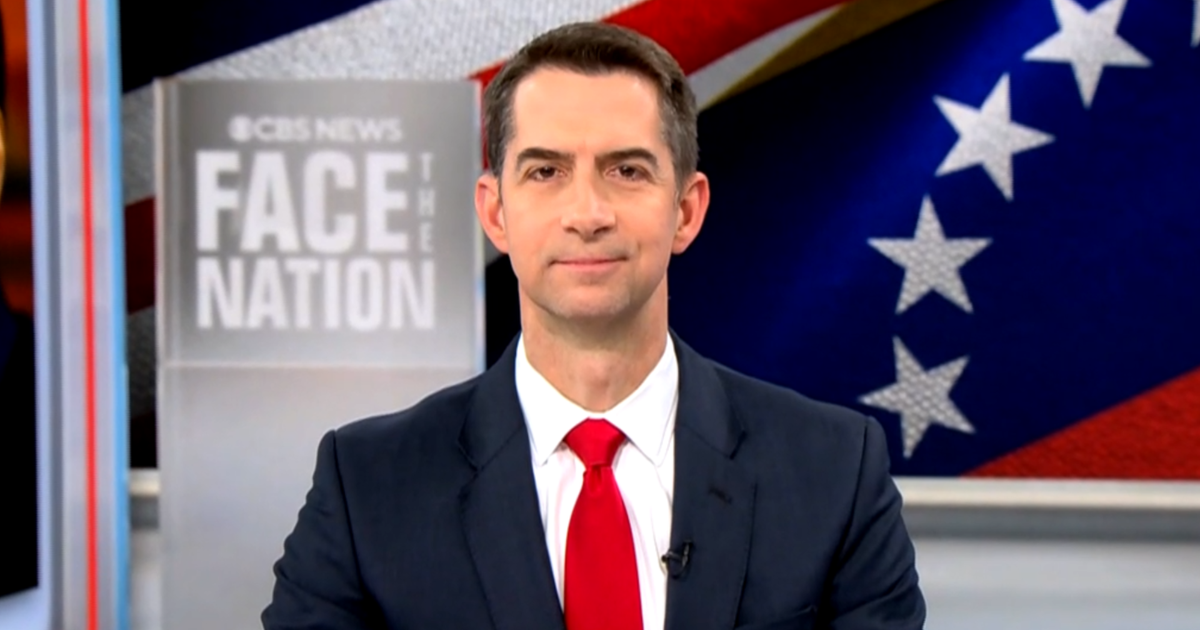
U.S. forces conducted an overnight operation in Caracas that resulted in the seizure and transfer to the U.S. of Nicolás Maduro and his wife, with Maduro detained at the Metropolitan Detention Center in Brooklyn; the Trump administration asserts Vice President Delcy Rodríguez has been sworn in as replacement. Senior U.S. officials including Sen. Tom Cotton and Secretary of State Marco Rubio signaled a U.S. push to remove narcotics- and weapons-trafficking networks and foreign influence (Iranian, Cuban, Hezbollah) from Venezuela, while calling for eventual free elections possibly within months. The developments create heightened geopolitical risk for the region and ongoing legal exposure for Maduro’s allies, leaving significant policy and stability uncertainty for investors with Venezuela or regional exposure.
Market structure: A sudden US-led decapitation of Venezuela's leadership is a net positive for US defense contractors (LMT, RTX, NOC) and safe-haven assets (GLD, TLT) while worsening emerging-market sovereign risk and regional bank/consumer exposure (ILF, EWZ). Physical oil risk is asymmetric — Venezuela’s lost heavy crude (~0.5–1.0 mb/d realistic today) can move benchmarks by $3–7/bbl on headline shocks even if flow restoration is the longer path. FX and EM sovereign spreads should widen: expect EMB spreads +50–150bps and LATAM equities -5–15% on a sustained security squeeze.
Risk assessment: Tail scenarios include (A) wider kinetic campaign or foreign intervention that spikes oil >$10/bbl and boosts defense stocks, (B) rapid stabilization with sanction relief that unlocks heavy crude and collapses the risk-premium. Immediate (0–14 days) volatility and fund flows; short-term (1–3 months) policy and sanctions evolution; long-term (6–24 months) production and ownership disputes. Hidden dependencies: Cuban/Iranian/Russian counter-moves, insurance/shipping sanctions and PDVSA asset seizures that could freeze or reallocate collateral, magnifying counterparty credit exposure.
Trade implications: Tactical winners: GLD and 3-month WTI call spreads (risk-defined) for headline-driven spikes; modest long positions in LMT/RTX for procurement/backlog re-rate. Tactical losers: long positions in ILF/EWZ and sovereign EM credit — buy CDS or widen shorts as spreads breach +100bps. Use structured option collars and size at 1–3% of portfolio to balance headline risk vs mean reversion.
Contrarian angles: The market may overpay for persistent oil shortages; if a transitional government rapidly restores exports or US/Europe refrain from blanket sanctions, heavy crude could return and force a 5–15% down move in oil over 6–12 months — benefiting integrated majors (CVX, XOM) and heavy-crude refiners. History (Iraq 2003) shows short-lived spikes followed by normalization; avoid one-way long convexity without explicit stop/roll rules.
AI-powered research, real-time alerts, and portfolio analytics for institutional investors.
Request DemoOverall Sentiment
moderately negative
Sentiment Score
-0.35
