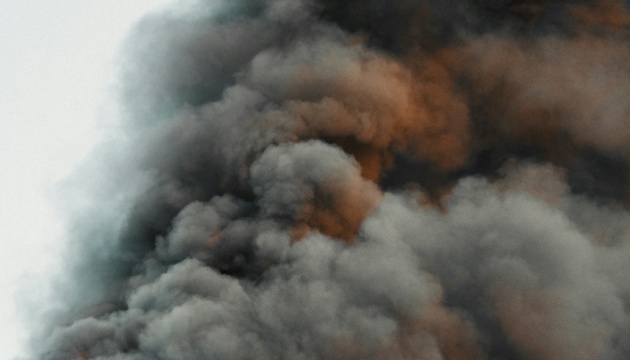
Ukrainian forces reported overnight strikes that destroyed facilities at the Yefremov Synthetic Rubber Plant in Tula region — a site reported to produce components for plastic explosives and solid rocket fuel — and hit a storage/maintenance site for unmanned boats in occupied Crimea, a regimental-level logistics warehouse in Dovzhansk (Luhansk), and multiple air-defense positions. Separate drone strikes reportedly damaged the Stavrolen chemical plant in Budionovsk. The attacks point to targeted disruption of Russian defense-related industrial and logistics capacity, raising regional escalation risk and potential short-term disruption to chemical/industrial supply lines that could affect related commodity flows and localized asset pricing.
Market structure: Immediate winners are Western defense primes and defense suppliers (pricing power for munitions, ISR, and logistics services) and specialty chemical producers able to substitute destroyed Russian feedstocks; direct losers are Russian petrochemical/chemical assets and logistics nodes in occupied territories, tightening niche feedstock supply for weeks. Expect localized price dislocations in specialty rubber/propellant precursors (spot spikes of 10–30% in affected intermediates possible over 2–8 weeks) and risk-premium on crude (Brent +$2–6/bbl on escalation). FX/bonds: RUB should trade weaker (3–10%) near-term; safe-haven bid to USTs could compress 10y yields by 10–30bp if risk-off persists beyond 1 week.
Risk assessment: Tail risks include broader strikes on Russian energy infrastructure (low probability, high impact — Brent >$100 within 2 weeks, stagflation scenario) and secondary sanctions that remove counterparties (operational illiquidity for ETFs/ETNs). Time horizons: immediate (days) = volatility and FX moves; short-term (weeks–months) = commodity and defense order flow; long-term (quarters–years) = supply-chain re-shoring of specialty chemicals. Hidden dependencies: many Western chemical producers rely on Russian feedstock pricing; freight reroutes could raise logistics costs 5–15% and magnify input inflation. Key catalysts: further Ukraine strikes, EU aid packages (1–3 months), OPEC+ supply decisions.
Trade implications: Tactical longs in defense (RTX, LMT) and specialty chemical exposures (LXS.DE, SYNT.L) are warranted for 3–12 months; use 6–12 month call spreads to limit capital. Hedge RUB downside with 1–3% notional USD/RUB longs or buy 1-month RUB puts; consider short Russia exposure (RSX) 0.5–1% given sanction risk. If Brent sustains >$90 for 5 trading days, add 1–2% to energy producers (XOM, CVX) for exposure to higher cash flows.
Contrarian angles: The market may overprice permanent loss of capacity — a single plant's output is replaceable in 6–12 months globally, so avoid long-duration commodity longs unless supply disruption repeats; defense name rallies could overshoot by 15–25% then mean-revert. Historical parallels (2014/2015 spikes) show commodity shocks often fade in ~3 months absent systemic energy disruption. Risk: crowded defensive positioning could invert if fiscal/regulatory responses disappoint, creating short opportunities in defense and chemicals after sharp rallies.
AI-powered research, real-time alerts, and portfolio analytics for institutional investors.
Request DemoOverall Sentiment
moderately negative
Sentiment Score
-0.50
