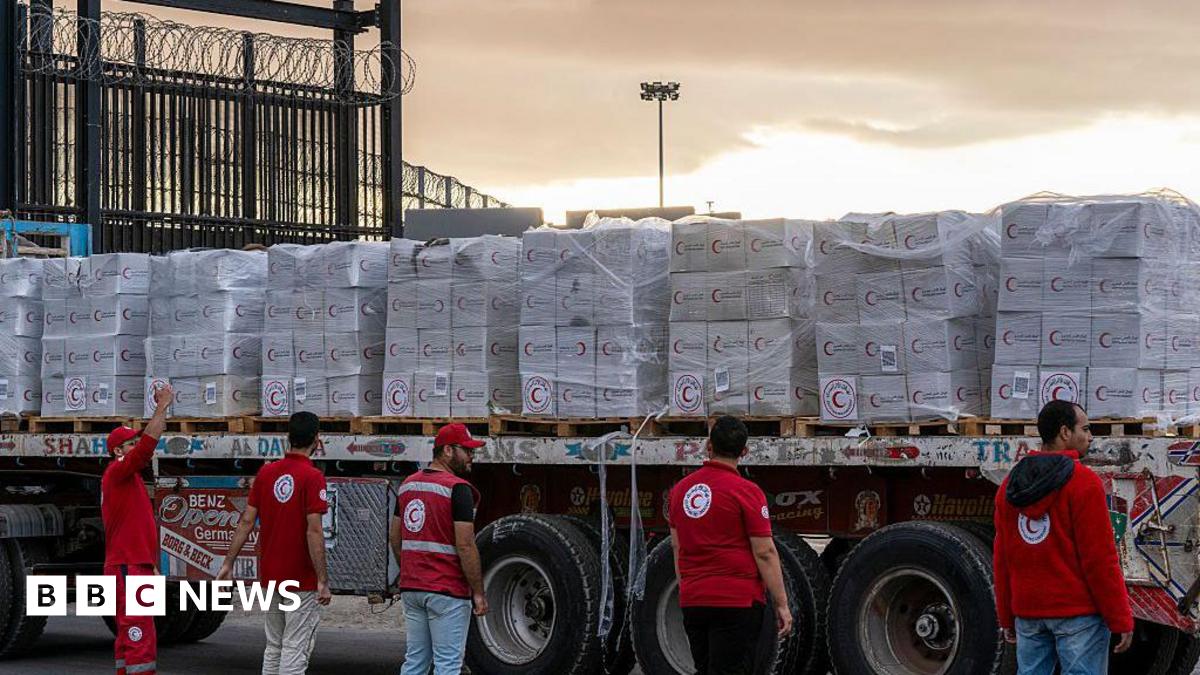
The article reports that 500 aid trucks have entered Gaza, with approximately 300 distributed by the UN and other organizations, following a ceasefire agreement. This volume falls short of the UN's estimated daily requirement of 600 trucks needed to address the humanitarian crisis in the region.
The entry of 500 aid trucks into Gaza has been reported, with approximately 300 distributed by the UN and other organizations, fulfilling a component of the recent ceasefire agreement. This logistical operation, overseen by Cogat, marks a critical development in addressing the region's humanitarian needs.
Despite this influx, the volume remains below the United Nations' estimated daily requirement of 600 trucks necessary to adequately address the ongoing humanitarian crisis. This shortfall suggests that while progress is being made on aid delivery, significant logistical and political hurdles persist.
The situation underscores the complex interplay between geopolitical agreements and the practicalities of humanitarian logistics in conflict zones. While no direct market impact or specific corporate tickers are identified, the theme of "Geopolitics & War" indicates potential broader, indirect market sensitivities related to regional stability and supply chain disruptions.
AI-powered research, real-time alerts, and portfolio analytics for institutional investors.
Request DemoOverall Sentiment
neutral
Sentiment Score
0.00
