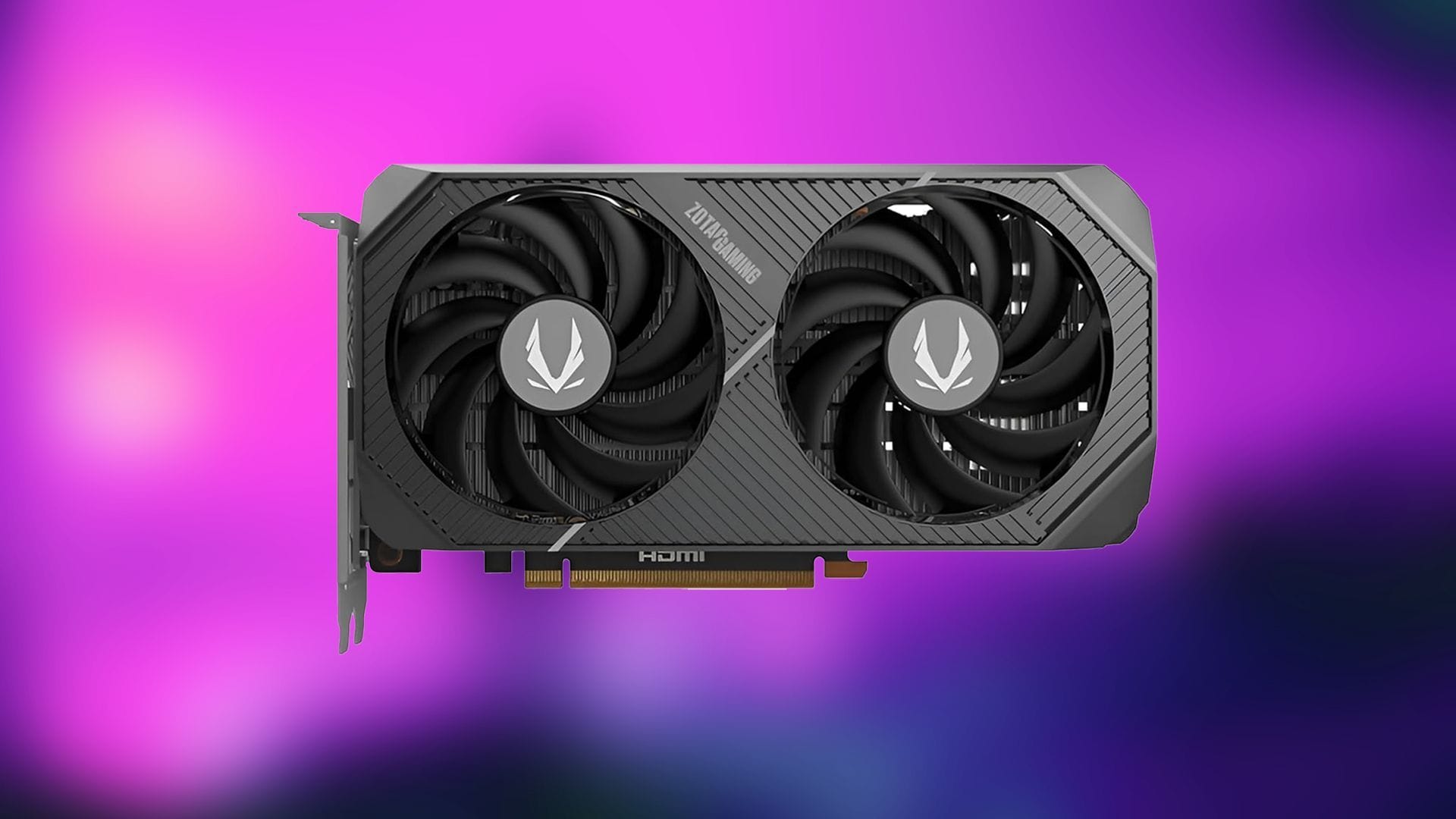
A demo showed NVIDIA's Neural Texture Compression can reduce scene VRAM usage from over 6GB to under 1GB, suggesting 8GB cards may remain viable. NVIDIA is open-sourcing the SDK and leveraging Tensor Cores to reconstruct compressed assets in real time, giving RTX cards a near-term advantage while AMD/Intel responses remain uncertain.
If software-led reductions in asset-footprint become a broad developer default, expect the consumer GPU upgrade cycle to bifurcate: buyers will prioritize raw compute and specialized AI acceleration over headline memory specs, elongating refresh intervals for midrange cards by 12–24 months. That will depress near-term demand for high-capacity discrete memory on mid-tier boards, tilt OEM ordering toward higher-margin dies with more matrix/AI units, and create a larger used-market supply that could compress ASPs for entry/mid GPUs by an estimated 10–20% in the first year.
The incumbent advantage is largely about an ecosystem lead — tooling, ISV relationships and real-time performance optimization — rather than a silicon-only gap. If Nvidia converts that into default engine plugins and middleware, switching costs rise and market-share gains can compound; a modest 200–400bp share shift in global add-in-board volumes within 12 months is plausible, with outsized returns captured by firms that sell the enabling compute blocks rather than raw pipelines.
Key near-term catalysts are developer tooling rollouts, major engine integrations (Unreal/Unity) and console/PC OEM announcements; these will move sentiment in weeks to months. Material reversal risks are twofold: (1) visible quality/performance artifacts that force reversion to capacity-heavy assets, and (2) a fast competitive parity response from AMD/Intel or game engines that neutralizes the ecosystem lock-in within 6–18 months.
Consensus currently prices a durable, uncontested moat; the contrarian read is that adoption is lumpy and developer inertia will create a 6–12 month window where the market overpays for platform permanence. That window is where targeted option structures and relative-value pairs offer asymmetric payoff with contained downside.
AI-powered research, real-time alerts, and portfolio analytics for institutional investors.
Overall Sentiment
moderately positive
Sentiment Score
0.35
Ticker Sentiment
