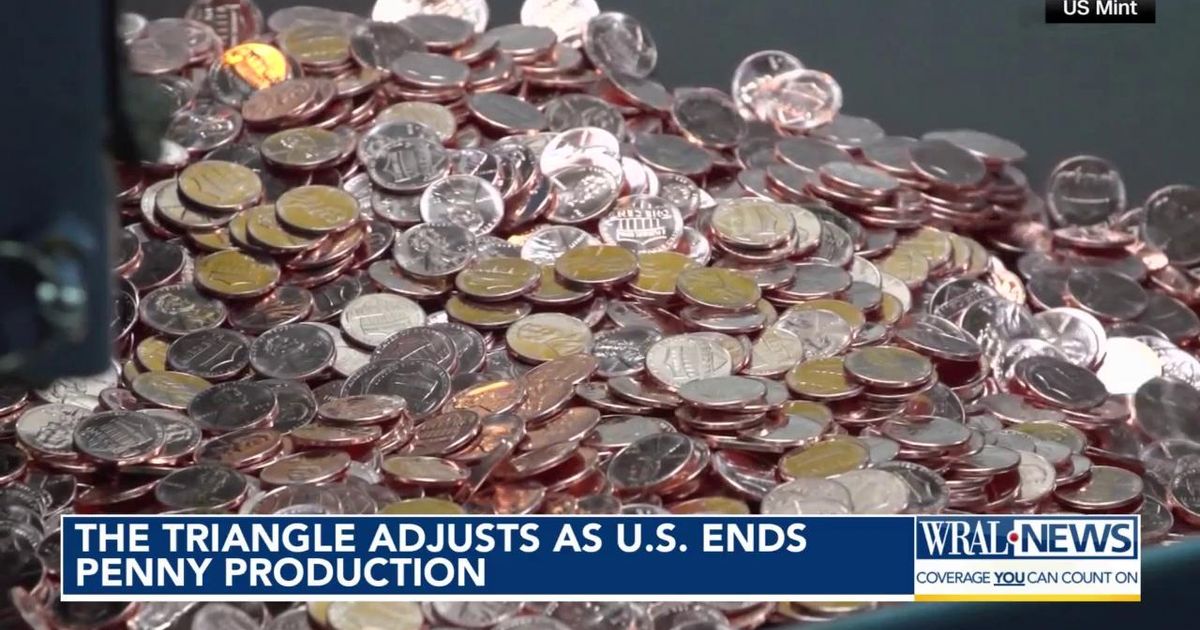
The U.S. Mint has ceased production of the penny, a strategic decision driven by the coin's manufacturing cost of 3.7 cents, which significantly exceeds its face value. This move is projected to save taxpayers $56 million annually, despite an estimated 300 billion pennies remaining in circulation as legal tender. The cessation reflects the economic inefficiency of low-denomination coinage and aligns with the broader trend of declining physical cash usage, influencing retail payment behaviors and potentially accelerating the shift towards digital transactions.
The U.S. Mint has officially ceased production of the penny, a decision driven by the coin's manufacturing cost of 3.7 cents in 2024, significantly exceeding its face value. This strategic move is projected to save taxpayers $56 million annually, addressing the long-standing economic inefficiency of producing low-denomination coinage. Despite the cessation, approximately 300 billion pennies remain in circulation as legal tender, as confirmed by U.S. Treasurer Brandon Beach.
The discontinuation reflects a broader trend of declining physical cash usage, particularly among younger demographics, with over 80% of consumers keeping cash but using it less frequently. This shift is already impacting retail payment behaviors, as some businesses are requesting customers to round up or use digital payments due to localized penny shortages. The move aligns with historical precedents where the U.S. phased out other obsolete low-value coins like the half-cent and 3-cent coin.
While the immediate market impact is assessed as low (0.1) and sentiment mildly positive (0.25), this development underscores the ongoing evolution of payment systems towards digital transactions. It highlights fiscal policy adjustments aimed at cost efficiency within the U.S. Treasury. The situation presents both challenges for cash-reliant businesses and opportunities for increased adoption of electronic payment methods.
AI-powered research, real-time alerts, and portfolio analytics for institutional investors.
Overall Sentiment
mildly positive
Sentiment Score
0.25
