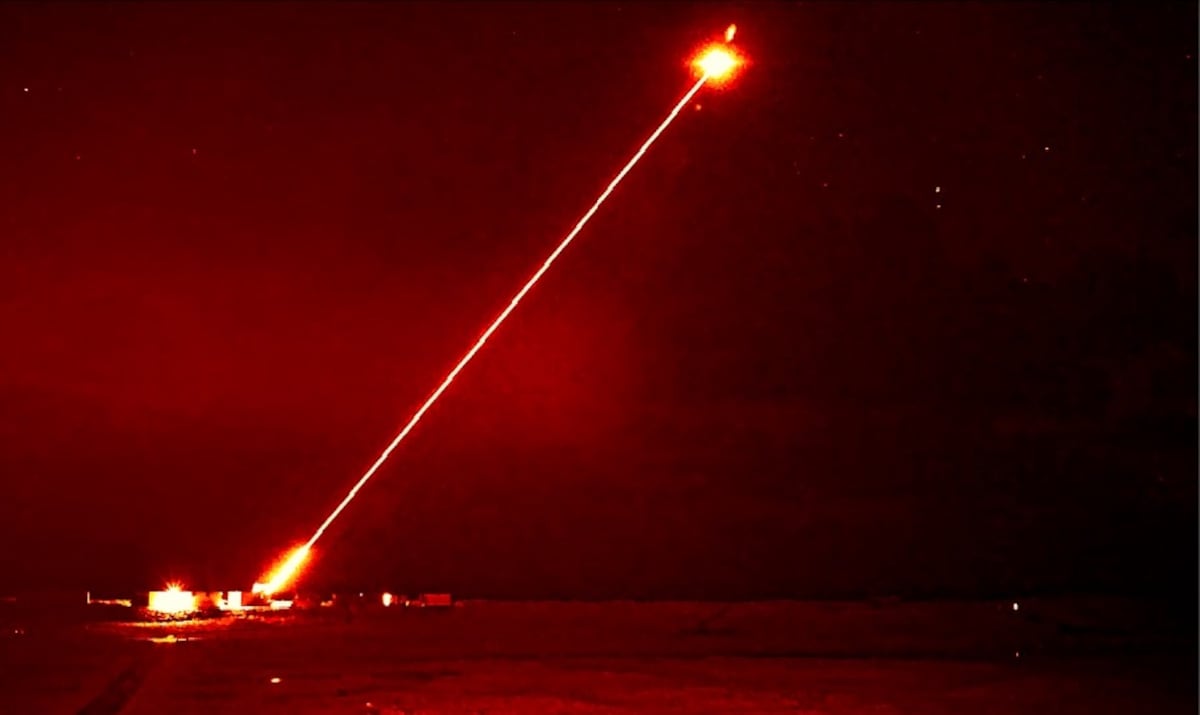
MBDA UK has won a £316 million ($414 million) contract to supply the Royal Navy with its DragonFire high‑power laser for counter‑drone defense, with the first system to be fitted to a Type 45 destroyer by 2027 after successful trials that downed high‑speed drones (up to 650 kph) and earlier test shots; the MoD says the system is accurate enough to hit a £1 coin at 1 km and costs about £10 per shot versus hundreds of thousands for missile interceptors. Developed with QinetiQ and Leonardo and delivered nearly five years ahead of schedule, the program follows a January 2024 destruction of an aerial target and ties into the U.K.’s Strategic Defence Review which pledges nearly £1 billion in directed‑energy investment this term and supports roughly 590 jobs, positioning MBDA and its partners to capture growing opportunities as nations layer lasers into future air‑defense architectures.
MBDA UK has been awarded a £316 million ($414 million) contract to supply the Royal Navy with the DragonFire high-power laser system, with the first unit scheduled for installation on a Type 45 destroyer by 2027; the program follows a January 2024 shot that destroyed an aerial target and recent trials that downed drones flying up to 650 kph. The Ministry of Defence highlights DragonFire’s economics and precision—roughly £10 per shot versus hundreds of thousands for missile interceptors and accuracy sufficient to hit a £1 coin at 1 km—which supports a cost-per-engagement advantage for counter-UAS missions. The program is being developed with QinetiQ and Leonardo, is reported to be delivered almost five years ahead of the original schedule, and ties into the UK Strategic Defence Review’s nearly £1 billion directed-energy investment this parliamentary term; the MoD expects the work to create or sustain about 590 U.K. jobs. The deal signals acceleration of directed-energy adoption across Europe—other players such as Rheinmetall and Safran/Cilas are active—yet program execution, integration on naval platforms and scaling from test shots to sustained operational tempo remain the primary near-term risks for future procurements and revenue realization.
AI-powered research, real-time alerts, and portfolio analytics for institutional investors.
Request DemoOverall Sentiment
moderately positive
Sentiment Score
0.50
Ticker Sentiment
