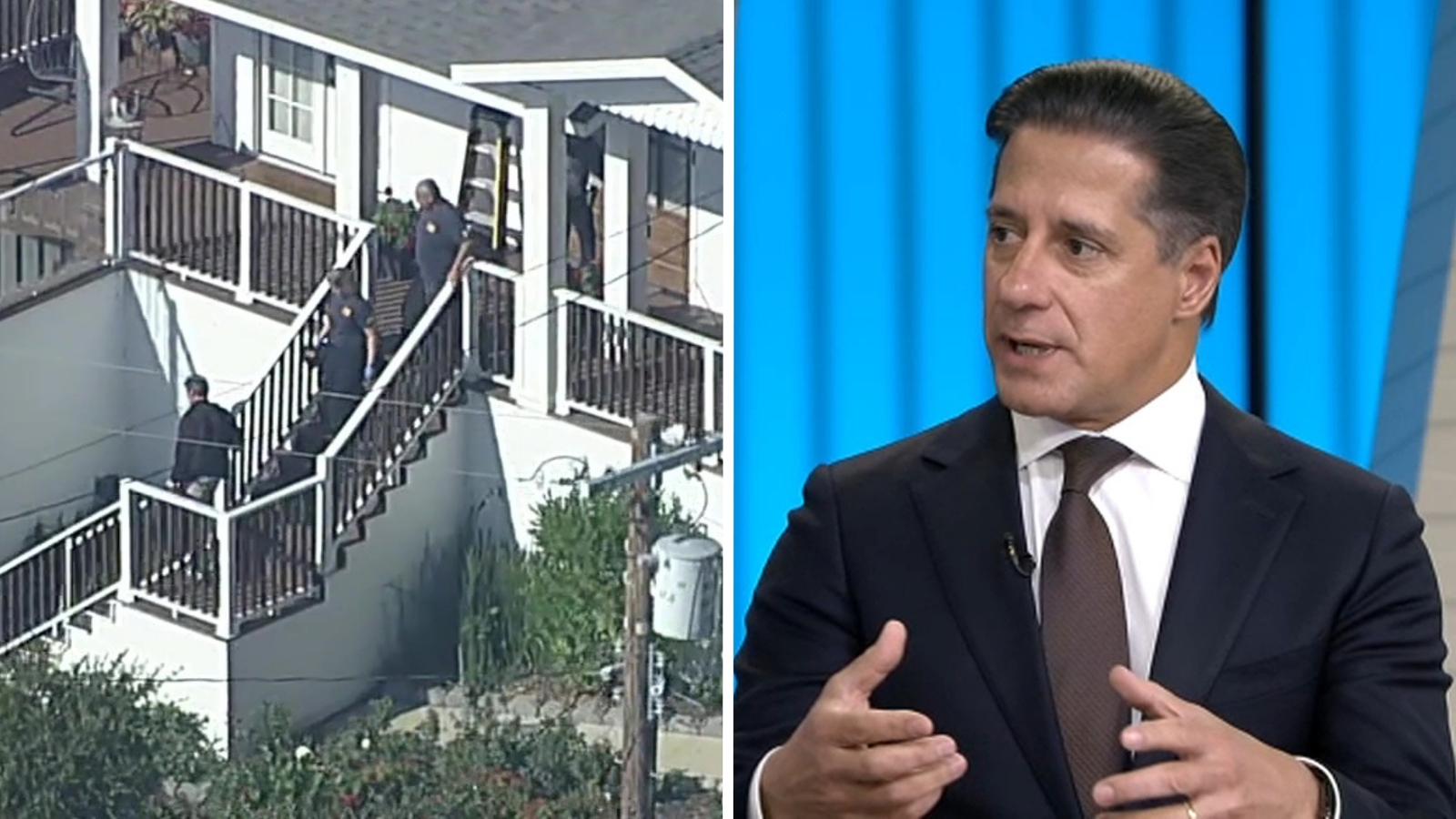
Federal agents executed judicially approved search warrants at Los Angeles Unified School District headquarters and Superintendent Alberto Carvalho’s San Pedro home on Wednesday in a sealed, reportedly white-collar federal investigation; the U.S. Attorney’s Office declined further comment and the district says it is cooperating. Carvalho has led the nation’s second-largest district since February 2022, which serves more than 500,000 students, and sources indicated the probe is not violent nor immigration-related. Although no charges or financial disclosures were reported, the action creates immediate governance and reputational risk for LAUSD and could spur leadership, budgetary or oversight scrutiny if the investigation produces material findings.
Market structure: This is a localized governance shock centered on LAUSD that primarily threatens holders of LAUSD-specific credits, large vendors with concentrated contract exposure, and any banks/vendors relying on near-term LAUSD cash flows. Short-term winners are legal/forensic service providers and competitors who can capture paused contracts; pricing power shifts are likely limited to contract repricing and payment timing rather than structural demand for K‑12 services.
Risk assessment: Tail risks include a governance-induced liquidity squeeze (vendor payment delays) or a credit action that could widen LAUSD GO spreads by 25–75 bps (10–20% price move for long-duration munis) — probability ~10–20% over 0–90 days; indictment/major financial misstatement is lower probability (<5%) but high impact. Immediate risk window is 0–30 days (search-warrant publicity, media/legal filings), short-term 30–90 days (unsealing, indictments, board reaction), long-term 3–12 months (possible rating review or policy changes).
Trade implications: Primary tradable is municipal credit and timing-sensitive equities. Expect upward pressure on short-end muni yields if LAUSD delays issuance; MUB (iShares National Muni ETF) can act as a liquidity hedge. Education suppliers with >5% revenue exposure to large districts are vulnerable to timing risk and represent short/option opportunities; conversely high-quality muni credit with >100 bps pickup versus pre‑event levels becomes an opportunistic buy after >60 days and clarity.
Contrarian angle: Consensus will likely over-penalize LAUSD paper initially; historical parallels (local governance probes) show median spread widening 30–60 bps that mean-revert in 3–9 months once operations continue. If spreads widen >50–75 bps and district fundamentals (tax base, enrollment) remain intact, staged accumulation yields attractive carry with asymmetric upside.
AI-powered research, real-time alerts, and portfolio analytics for institutional investors.
Request DemoOverall Sentiment
moderately negative
Sentiment Score
-0.30
