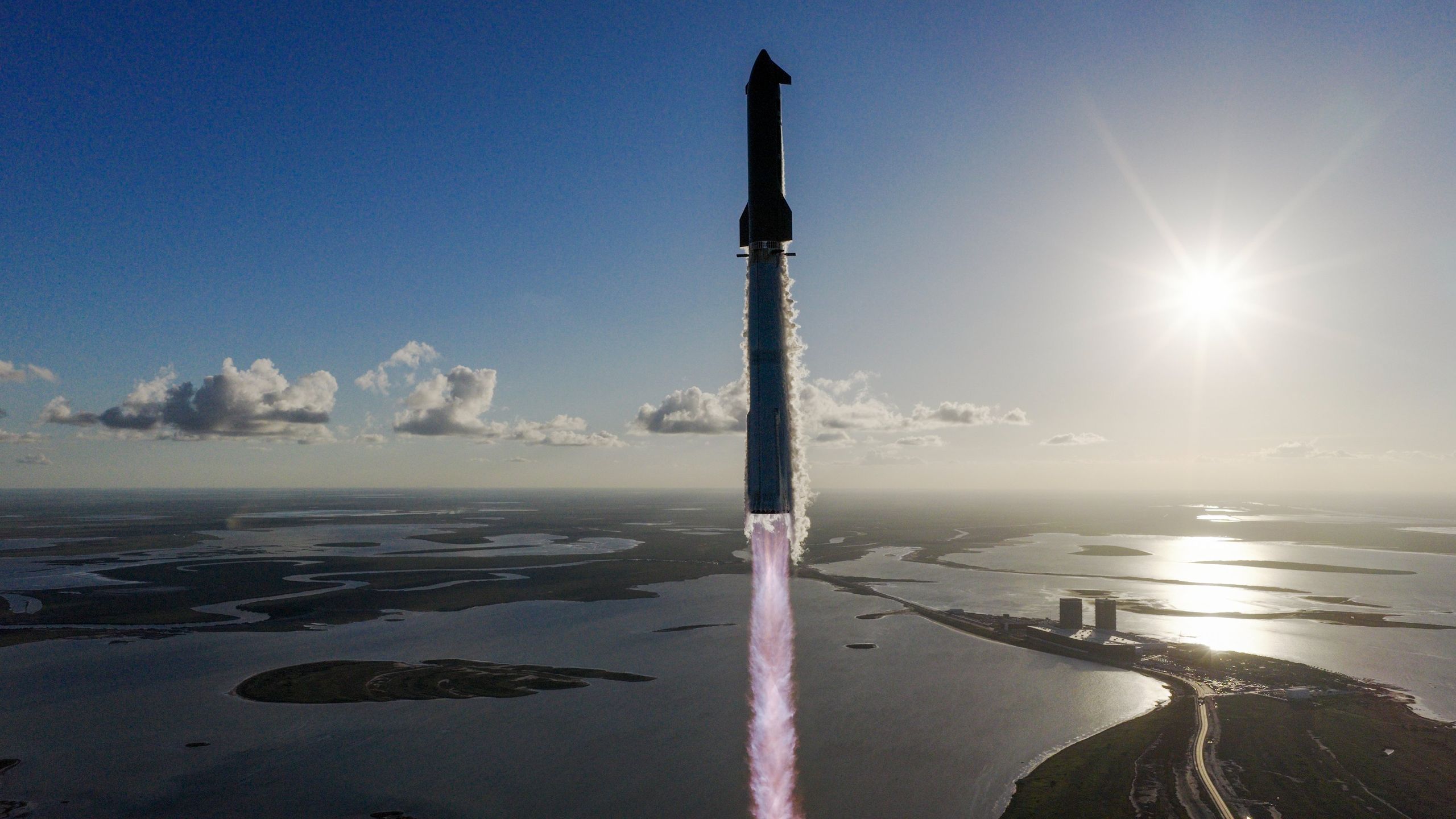
SpaceX is planning an IPO for mid- to late-2026 that reportedly targets a $1.5 trillion valuation and could raise $30 billion or more, according to reports from the Wall Street Journal, The Information and Bloomberg and confirmed by Elon Musk and reporting from Ars Technica. The company would use proceeds to fund ambitious projects including the buildout of orbital data centers — via modified Starlink satellites — to support AI workloads, and to advance longer-term goals such as Mars settlement. If realized, the listing would create one of the largest public companies and materially expand capital available for space- and AI-related infrastructure, but it also raises questions about investor tolerance for SpaceX’s long-horizon, high-capex ambitions and potential governance trade-offs.
Multiple major outlets report that SpaceX intends to pursue an initial public offering targeted for mid- to late-2026 with a headline valuation around $1.5 trillion and the potential to raise $30 billion or more, a plan Elon Musk has publicly endorsed on X and that was detailed in reporting by The Wall Street Journal, The Information, Bloomberg and Ars Technica. The company plans to use proceeds to fund ambitious, capital-intensive initiatives including orbital data centers built from modified Starlink satellites to service AI workloads, with longer-term visions of lunar AI-satellite factories and railgun launches cited by reporters and Musk.
The strategic rationale presented by Ars Technica frames the IPO as a way for Musk to marshal vast resources to “win” in AI and to underwrite Mars-settlement ambitions during his lifetime, which would materially expand public capital available for space and AI infrastructure and make SpaceX one of the largest public companies by market value. Market signals attached to the reporting show moderately positive, speculative sentiment and a significant potential market impact, but the story also highlights investor concerns that public markets may constrain very long-horizon, low-near-term-return projects and raise governance and capital-allocation trade-offs.
Key near-term risks for investors are the lack of public financial disclosures to date, enormous projected capex needs versus uncertain near-term revenue from orbital data centers, and potential shifts in management focus across Musk’s other ventures; the article implies limited immediate direct implications for Tesla equity but flags intercompany strategic linkages to monitor.
AI-powered research, real-time alerts, and portfolio analytics for institutional investors.
Request DemoOverall Sentiment
moderately positive
Sentiment Score
0.60
Ticker Sentiment
