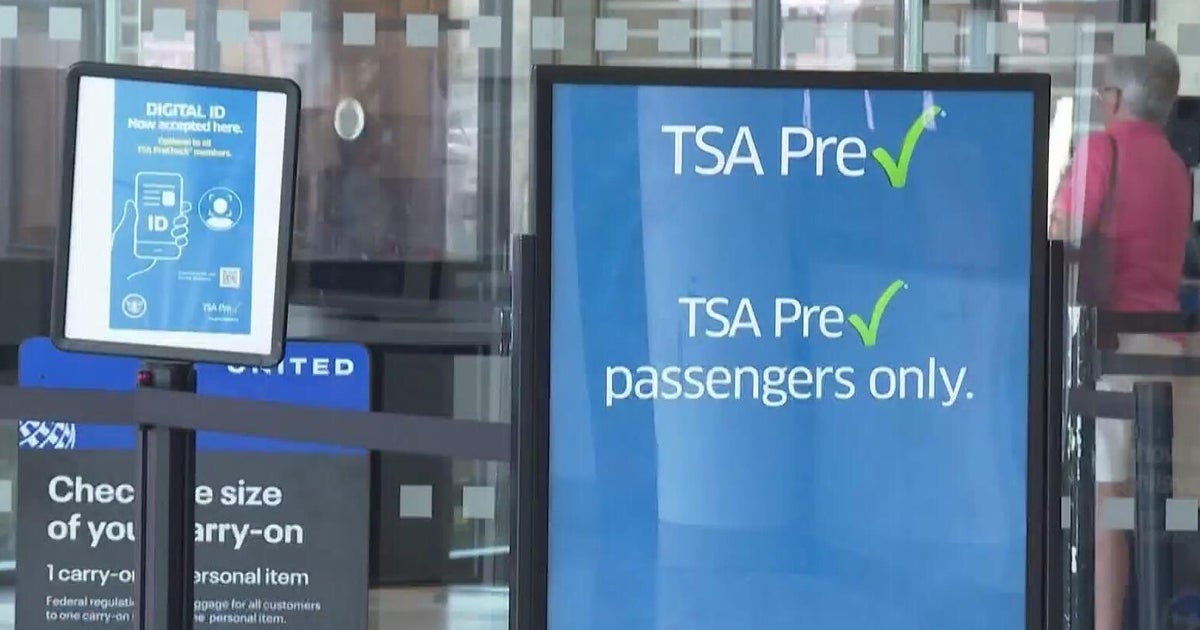
A brief DHS-directed suspension of TSA PreCheck and (allegedly) Global Entry tied to a partial Department of Homeland Security funding lapse forced PreCheck travelers at Chicago airports into general security lines before services were restored hours later. With roughly 20 million people enrolled in TSA PreCheck and 12 million in Global Entry, the episode highlights operational strain and political risk from the DHS partial shutdown (in effect since Feb. 14) that could cause travel disruption but is unlikely to produce material market moves.
Market structure: Short, temporary DHS shutdowns create concentrated operational friction that disproportionately hurts high-frequency business travel and airport concession revenues while creating minor demand elasticity for leisure travel. Winners are cash-rich low-cost carriers (LUV, SAVE) that can flex schedules and ancillary fees; losers are legacy carriers (AAL, UAL) and airport concessionaires that rely on premium passengers and Global Entry users. Cross-asset: expect small, transient widening in airline credit spreads (~10–25bp on idiosyncratic headlines), a 1–3% intraday move in airline equities, and a brief uptick in travel-sector IV skew; macro FX/commodity impact is negligible.
Risk assessment: Tail risks include a prolonged DHS funding gap (weeks) causing repeated PreCheck suspensions, amplified sick-call rates, and a sustained 3–7% demand loss in business travel over a quarter; worst-case operational shocks could knock 10–20% off idiosyncratic airline equity prices. Immediate risk window is 0–30 days (news-driven); short-term 1–3 months if funding drags; long-term limited unless policy/immigration enforcement changes persist. Hidden dependencies: contractor payroll timing, airline labor constraints, and venue concession revenue share formulas.
Trade implications: Use short-dated option hedges against idiosyncratic airline risk and buy tactical leisure exposure on resolution. Specifics: 1-month put spreads on UAL/AAL to cap downside if headlines reoccur; a 2–3% tactical long in JETS on a ≥4% pullback; avoid initiating large DHS-contractor longs until funding clarity (30–60 days). Entry/exit must be calendar-triggered to congressional funding votes—close hedges on passage within 14 days.
Contrarian angle: Consensus treats this as political theater; the market underprices repeat operational disruption risk because frequent flyers (20m PreCheck users) drive outsized revenue per passenger. If DHS standoffs persist, airport concession and premium-cabin demand could structurally reprice; conversely, a quick political resolution would create a 5–12% bounce in beaten-up airline names—tradeable with defined-risk option structures.
AI-powered research, real-time alerts, and portfolio analytics for institutional investors.
Request DemoOverall Sentiment
mildly negative
Sentiment Score
-0.30
