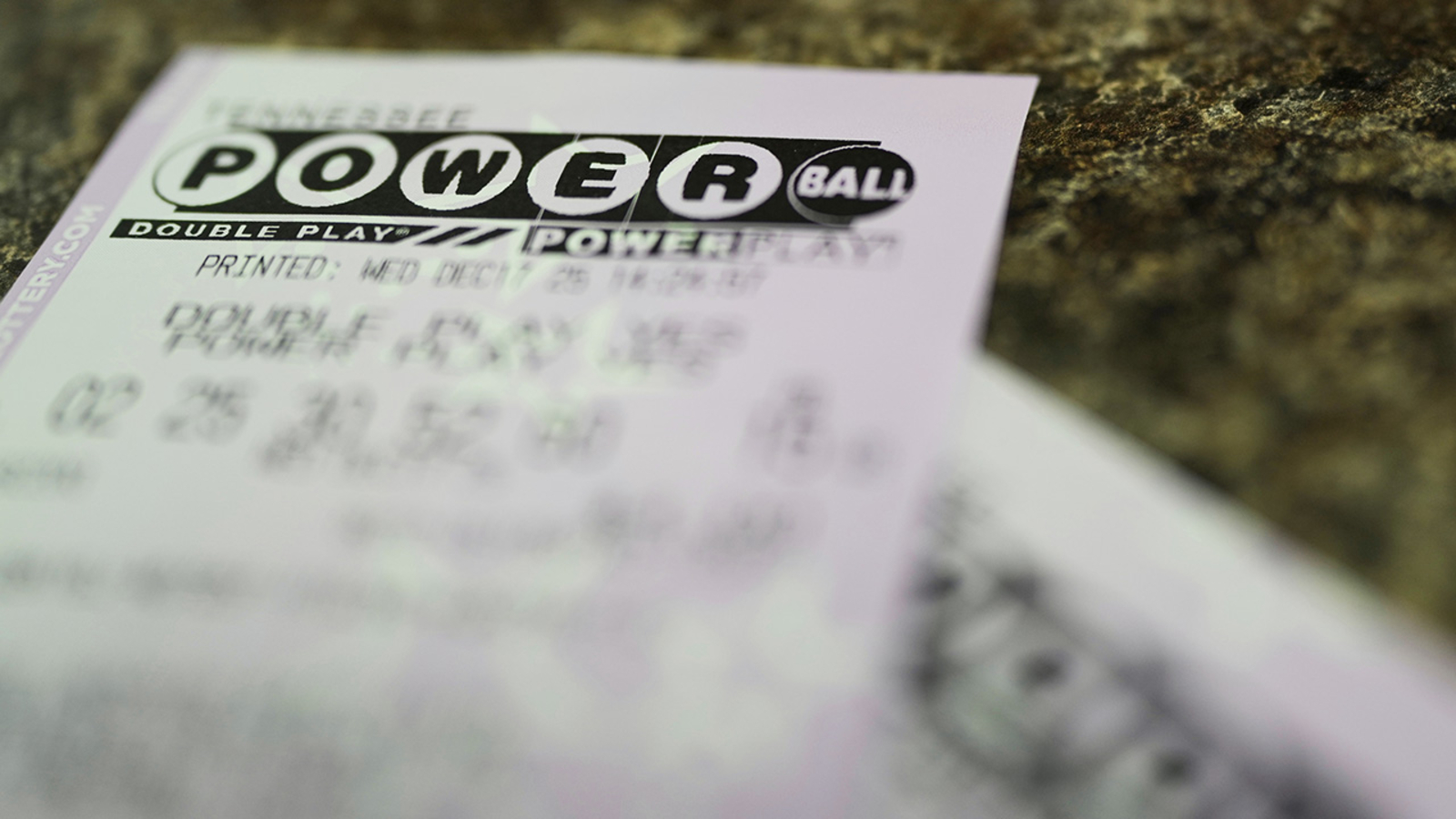
The Powerball jackpot climbed to an estimated $1.5 billion after no jackpot winner in Wednesday’s drawing, with the next drawing scheduled for Saturday; winners can choose an annuity valued at about $1.5 billion or a $686.5 million lump sum. Wednesday’s numbers were 25, 33, 53, 62, 66 with Powerball 17 and Power Play 4x; six tickets matched all five white balls for $1 million prizes (sold in Connecticut, Pennsylvania, Tennessee and three in New York). The jackpot was last won Sept. 6 when two tickets split $1.787 billion, and Powerball odds of hitting the jackpot remain 1 in 292.2 million.
Market structure: Mega-jackpots are a concentrated, short-duration demand shock that directly benefits state lotteries (tax receipts), convenience retailers and grocers that sell tickets, and broadcasters that get higher weekend ratings; winners are likely to see single-digit same‑day sales bumps (+0.5–3%) and incremental fuel/FGS purchases. Losers are essentially nil at market scale — incumbent retailers gain foot traffic at competitors' expense — but product cannibalization (scratch‑offs vs. draw tickets) can shift margin mix for states and retailers over weeks.
Risk assessment: Tail risks include a jackpot rollover being hit (rapid reversion to baseline within 1–2 days), operational failures in draw infrastructure, or regulatory backlash (state tax/regulation proposals within 30–90 days) that could lower lottery retail commissions. Time-framing: immediate (0–7 days) = traffic/revenue bump; short-term (weeks–months) = redemption/commission flows and advertising buys; long-term (quarters) = negligible structural change unless policy shifts occur.
Trade implications: The cleanest short-duration trades are small, directional stakes in retail names with meaningful lottery revenue exposure (convenience/grocery) and short-dated option plays to capture the weekend spike; media plays (broadcasters) see only fractional CPM upside. Cross-asset impact is immaterial to rates/FX; monitor small regional muni issuance if state receipts sway cash management decisions in next 1–3 months.
Contrarian angles: Consensus overlooks that a hit jackpot (probability 1/292.2m) eliminates the trade — so positions must be sized and time-boxed; historical parallels show >70% of mega‑jackpot value is priced into ticket volume pre‑draw and decays immediately after. Unintended consequences include legislative scrutiny that can compress long-term commission revenue for retailers; if a state proposes commission reductions within 60–90 days, the trade flips negative.
AI-powered research, real-time alerts, and portfolio analytics for institutional investors.
Request DemoOverall Sentiment
neutral
Sentiment Score
0.00
