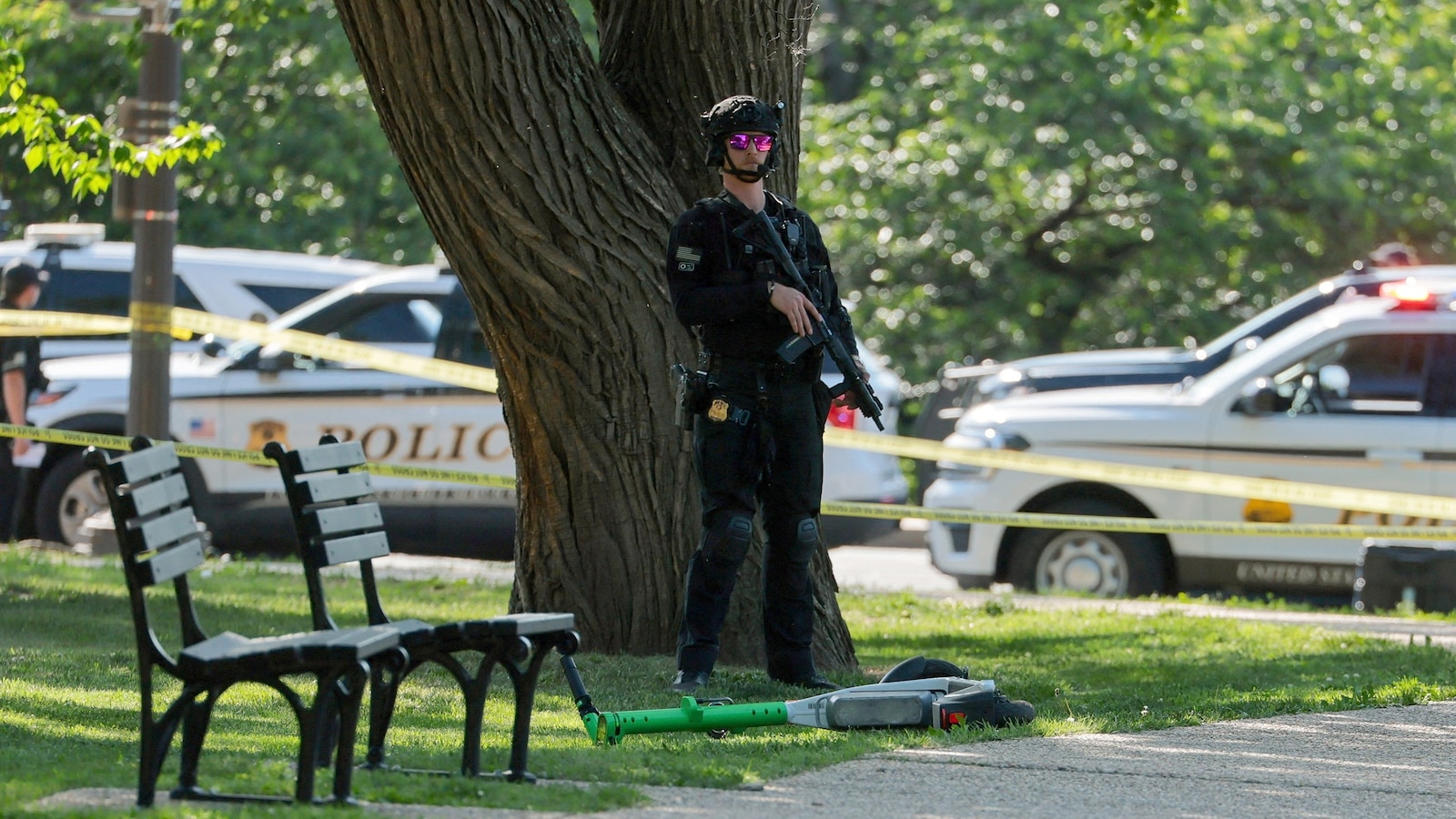
U.S. Secret Service officers exchanged gunfire with an armed suspect near the White House around 3:30 p.m. Monday; the suspect and a juvenile bystander were injured. The incident triggered a brief evacuation of the White House North Lawn, and the motive remains under investigation. The event is politically sensitive but is unlikely to have a direct market impact beyond a modest risk-off headline reaction.
This is not a direct macro shock, but it is a meaningful tail-risk reminder for the market that the domestic security premium can reprice quickly after a high-visibility incident. The first-order beneficiaries are defense, perimeter security, surveillance, and command-and-control vendors, but the second-order effect is broader: federal facilities, major city governments, and transit operators usually accelerate procurement after incidents like this, which tends to favor integrators over pure hardware names because emergency budgets favor turnkey deployments. The bigger near-term market impact is in event-risk around the U.S. political calendar. Even when the incident appears isolated, it increases the probability of tighter screening, more visible law-enforcement posture, and potentially more spending on protective infrastructure over the next 1-3 quarters. That supports names exposed to DHS/DoD/municipal contracts, while making consumer-facing urban real estate and downtown mobility assets slightly more vulnerable if public foot traffic sentiment softens for a few weeks. The contrarian point: the market may overestimate persistence. These events often create a 24-72 hour headline bid in security names, then fade unless there is evidence of a broader plot or policy response. The better edge is to own the second-order procurement beneficiaries on weakness, not chase the initial spike. If investigations point to a lone-actor event with no follow-on threat, the trade becomes a measured budget-cycle story rather than a crisis trade. The legal/governance angle also matters: the use-of-force review and any political blame assignment can extend the news cycle, but that is more relevant for sentiment than fundamentals. The actionable setup is to look for asymmetric exposure to government security capex rather than trying to express a directional macro view on the White House incident itself.
AI-powered research, real-time alerts, and portfolio analytics for institutional investors.
Overall Sentiment
mildly negative
Sentiment Score
-0.35
