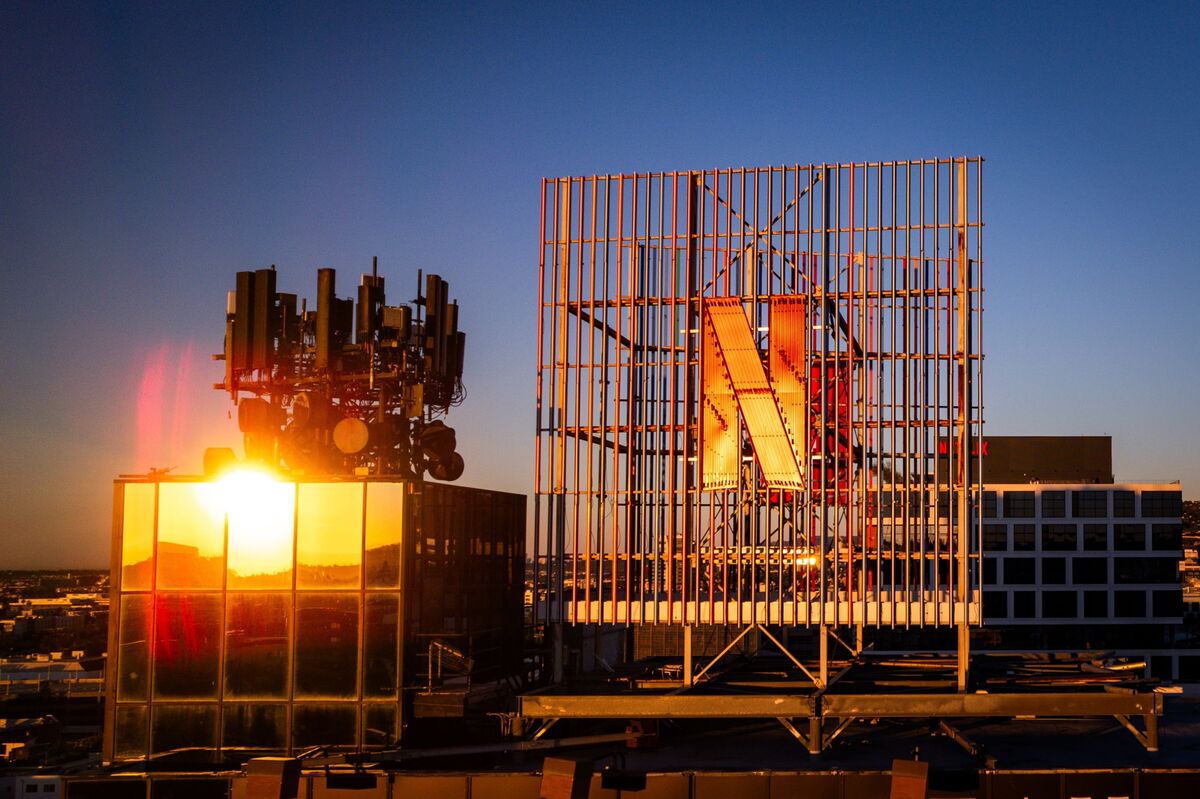
Former President Donald Trump flagged a potential antitrust concern over a reported Netflix-Warner Bros. deal, raising the prospect of regulatory scrutiny that could complicate deal approval and affect valuations in the media sector. JPMorgan CEO Jamie Dimon separately criticized Europe’s slow bureaucracy, underscoring regulatory and operational headwinds for financial and corporate strategy in the region; the other items (e.g., Louvre water issues) are nonfinancial. Investors should consider increased regulatory risk and potential political attention when assessing exposure to the involved media and entertainment names or M&A transactions in the sector.
Market-structure: A Netflix–Warner combination would concentrate premium IP and scale into one balance sheet, increasing Netflix’s pricing power and lowering per-subscriber content marginal cost; expect winners = Netflix (NFLX) and talent/IP owners, losers = smaller pure-play streamers and third‑party licensors who lose negotiating leverage. Consolidation shifts advertising inventory and licensing supply, likely lifting ad CPMs for the combined entity and squeezing ad-dependent platforms (ROKU) over 3–12 months; equity vol and credit spreads for an acquirer would rise immediately on deal announcement by 20–60 bps and implied vols by 15–30%.
Risk assessment: Primary tail risk is a DOJ/EC antitrust challenge or divestiture that could block or materially delay synergies — a blocked deal could erase 15–30% of expected deal value and trigger a 10–20% hit to acquirer equity in weeks. Integration risk (culture, rights management) could reduce synergies by 20–40% over 12–24 months; short-term (days–weeks) the dominant risk is sentiment-driven IV spikes, medium-term (months) regulatory filings, long-term (years) realization of subscriber/ARPU gains.
Trade implications: Direct plays: selectively buy NFLX on >8% intraday pullbacks within 10 trading days, target 12–18% upside over 6–12 months with 10% stop; consider 3–6 month NFLX straddles ahead of regulatory milestones to capture IV. Relative-value: pair long NFLX vs short ROKU (ROKU) to isolate consolidation benefit vs ad-platform exposure — target spread capture 8–15% in 3–9 months. Rotate out of small-cap pure-play streamers into large-cap content owners and selective banks underwriting M&A (JPM neutral to positive).
Contrarian angles: The consensus that the deal is binary antitrust death is overstated — remedies (behavioral or divestitures) historically preserve much deal value (see AT&T–TimeWarner precedent) so a knee-jerk >10% sell-off could be a buying opportunity. Conversely, if regulators force heavy remedies the acquirer’s long-term ARPU lift may be halved; monitor filings rather than headlines and price positions to tolerate a 60–120 day regulatory review window.
AI-powered research, real-time alerts, and portfolio analytics for institutional investors.
Request DemoOverall Sentiment
mildly negative
Sentiment Score
-0.25
Ticker Sentiment
