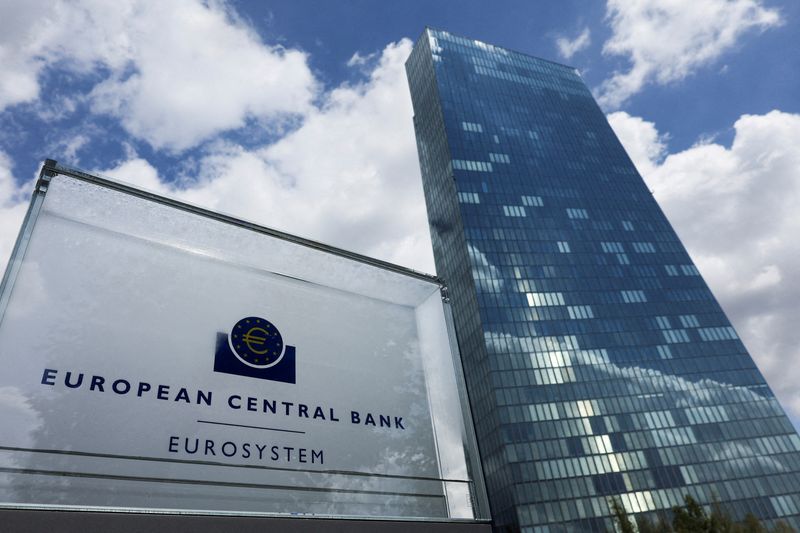
Euro area and UK manufacturing PMIs for March missed consensus by ~0.5 and ~1.8 points respectively, signalling weaker-than-expected activity; input prices rose sharply while expectations components declined. March PMIs are an early post-escalation read amid fresh geopolitical risk (missile strikes), which has pushed oil higher and weighed on TSX futures. Goldman Sachs notes forward-looking PMI components had improved previously but a catch-up in spot activity is needed to exert upward pressure on EUR/USD; energy shocks can reverse that dynamic. The datapoints suggest mild downside pressure on growth and risk assets, with upside pressure on energy prices.
An input-cost shock that raises upstream prices will mechanically compress operating margins for industrials and exporters unless firms can pass the increase through within one quarter; empirically that sequence shortens working-capital cycles and forces inventory destocking, turning a small sales miss into outsized EPS downside for early-cycle manufacturers. Higher and more volatile energy-driven input costs also raise the hurdle for large-scale capex: hyperscalers and cloud customers face higher TCO for new capacity, which favors firms with modular, high-efficiency hardware and those selling differentiated time-to-market advantages.
Persistently elevated input inflation changes central-bank calculus even absent a durable growth shock — delaying rate cuts by 25–75bp over the next 6–12 months materially raises discount rates for long-duration tech names and narrows the fair multiple premium they command versus cyclicals. That dynamic is a two-way trade: financials and energy producers pick up idiosyncratic optionality on higher rates and commodity realizations, while high-valuation growth names become momentum-dependent and more sensitive to intraday liquidity shocks.
From a positioning standpoint, cross-asset flows will rotate: indices with heavy commodity exposure will show higher realized volatility and occasional outperformance on commodity spikes, while broad market futures become more sensitive to headline geopolitics. This creates short windows where concentrated, option-backed directional bets on AI infrastructure winners (to capture secular demand) and commodity-linked producers (to capture margin expansion) offer asymmetric payoffs, provided positions are hedged for macro mean-reversion over a 3–9 month horizon.
AI-powered research, real-time alerts, and portfolio analytics for institutional investors.
Request DemoOverall Sentiment
mildly negative
Sentiment Score
-0.20
Ticker Sentiment
