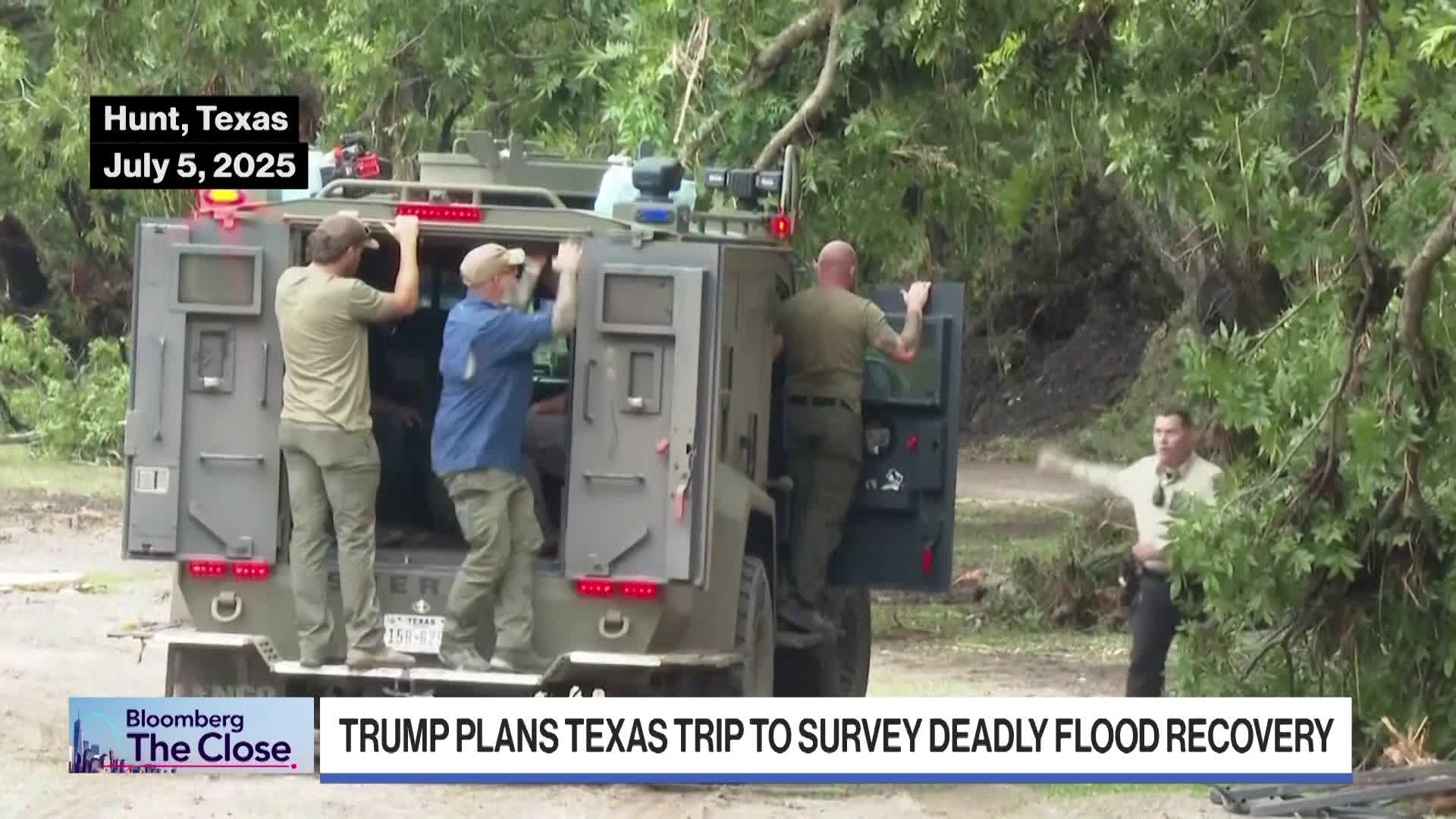
A weather expert has characterized the Texas floods as a "worst-case scenario," indicating significant potential for widespread economic disruption and substantial insurance industry impact across the region.
The designation of the Texas floods as a "worst-case scenario" by a weather expert, combined with a strongly negative sentiment score of -0.8 and a high market impact score of 0.7, points to a significant adverse economic event. The primary and most direct financial impact is expected to be on the property and casualty insurance industry, which faces the prospect of substantial underwriting losses due to widespread property damage claims. Beyond the insurance sector, the event signals a high likelihood of broader economic disruption. Given Texas's critical role in the national economy, particularly in energy and logistics, the floods could trigger significant supply chain interruptions, damage to vital infrastructure, and a temporary halt in regional economic activity, creating potential volatility across related sectors and commodity markets.
AI-powered research, real-time alerts, and portfolio analytics for institutional investors.
Request DemoOverall Sentiment
strongly negative
Sentiment Score
-0.80
