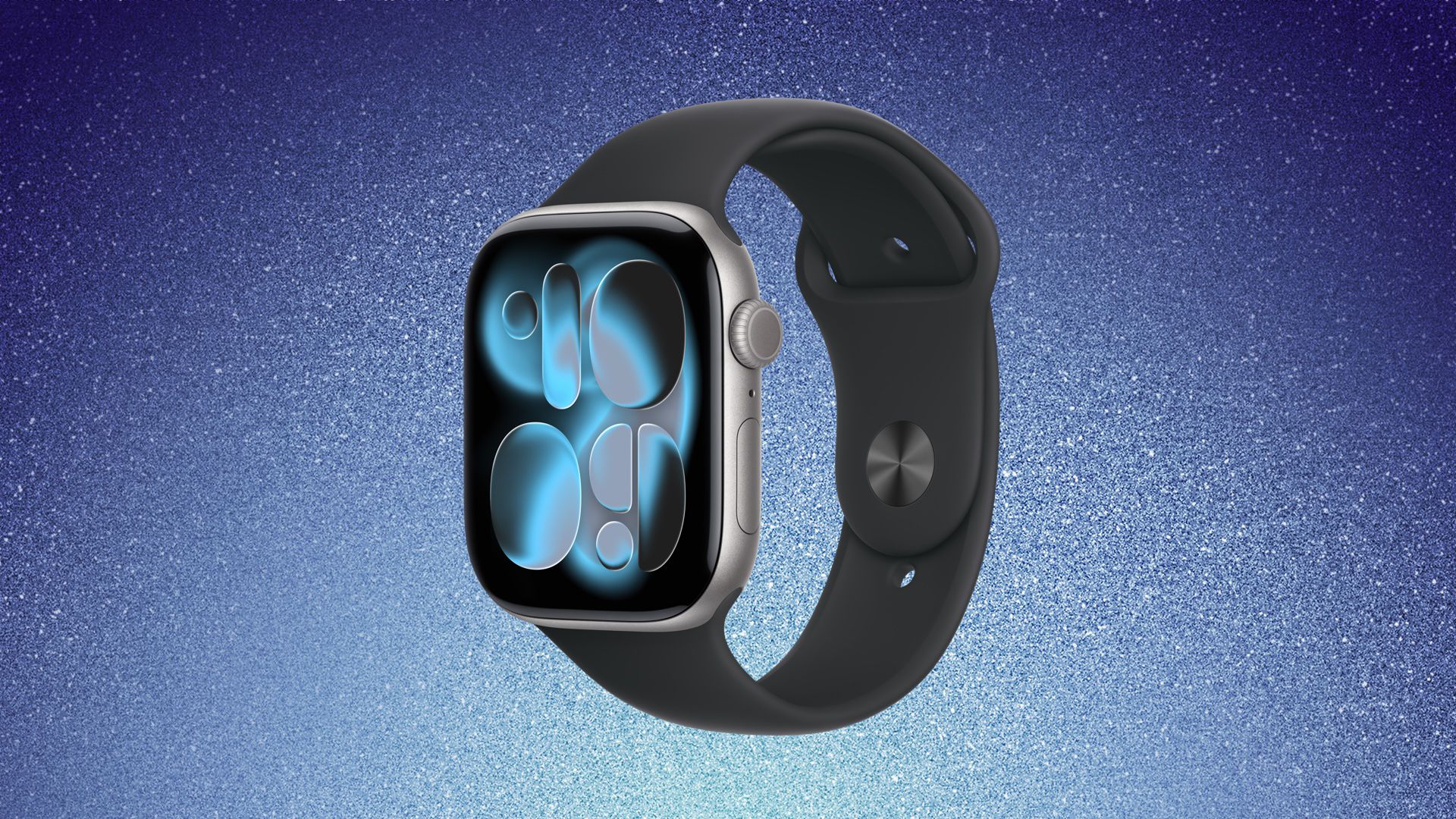
Amazon and Best Buy are offering all-time low $100 discounts on Apple Watch Series 11 models: 42mm GPS $299 (was $399), 46mm GPS $329 (was $429); 42mm cellular $399 (was $499), 46mm cellular $429 (was $529), roughly $30 below recent Black Friday levels. The promotions may nudge near-term wearable sales and accessory/service engagement for Apple, but the moves are promotional retail noise unlikely to meaningfully impact Apple's financials or share price.
Market structure: The $100 (≈25%) Series 11 markdown benefits middlemen — AMZN and BBY capture incremental traffic and market share versus smaller direct channels — while Apple absorbs near-term ASP pressure. Depth and breadth of discounts across GPS and cellular SKUs signal inventory clearing ahead of a product-cycle inflection (iPhone 18/Foldable rumors), likely compressing wearables gross margins by mid-single-digit percentage points for the quarter but only a low-single-digit impact on Apple’s consolidated gross profit given wearables’ size.
Risk assessment: Tail risks include a larger-than-expected replacement slowdown that forces Apple to widen promotions or take inventory reserves (high-impact, low-probability within 3 months), or regulatory moves on device bundling that reduce services upside (6–18 months). Immediate market effects will show in weekly sales and promotional cadence (days–weeks); earnings guidance and channel inventory disclosures are the 4–12 week catalysts to watch. Hidden dependencies: trade-in economics, refurb channel flows, and services attach rates could flip the margin picture quickly.
Trade implications: Tactical longs on AMZN/BBY are justified for 2–8 week retail-season flow trades (retailer traffic wins) while AAPL is a candidate for short-dated downside protection ahead of quarterly commentary. Options can asymmetrically hedge or monetise volatility: buy protective puts or structured spreads on AAPL, buy call exposure on AMZN if consumer online spend stays resilient. Monitor weekly sell-through and Apple’s guidance; close or flip positions on a clear inventory/guidance signal within 30–60 days.
Contrarian view: The market may over-penalise AAPL for promotional activity — Apple frequently uses tactical discounts to clear SKUs ahead of launches without lasting ASP erosion; services attach and replacement cycles often re-accelerate post-launch (3–9 months). If sell-through remains healthy and trade-ins normalize, buyable dips in AAPL could present a multi-quarter asymmetric upside as new hardware drives services monetisation.
AI-powered research, real-time alerts, and portfolio analytics for institutional investors.
Request DemoOverall Sentiment
mildly positive
Sentiment Score
0.28
Ticker Sentiment
