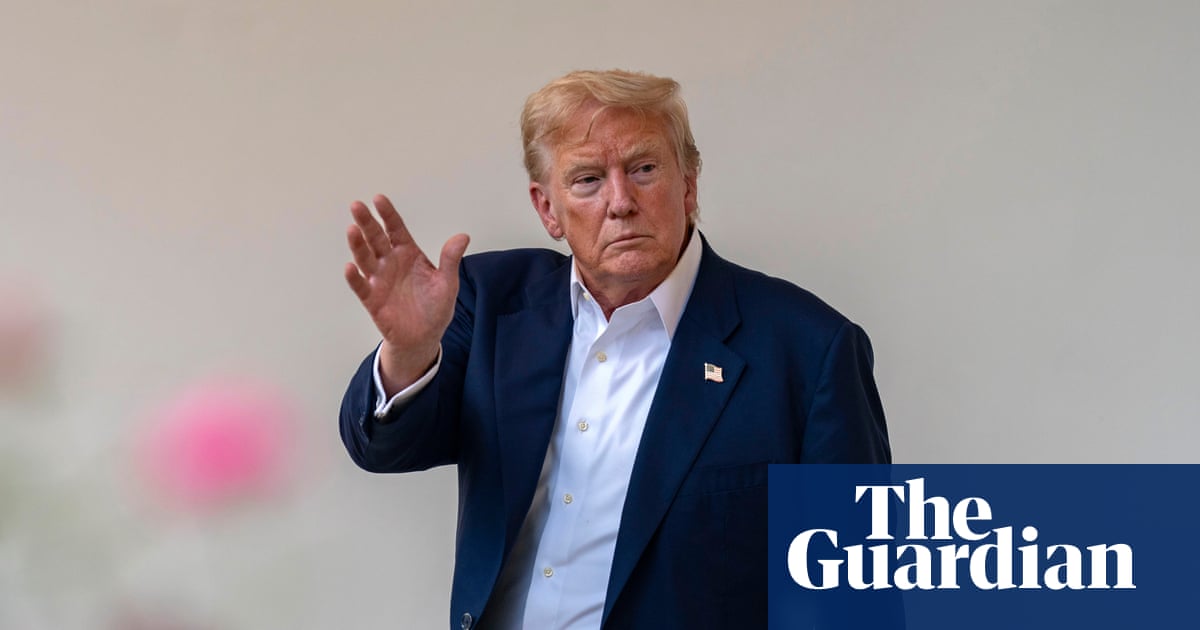
Donald Trump is pressing for an August 1st tariff deadline, threatening significant new levies on exports from numerous countries, including Brazil (50%), India (25%), Mexico (30%), and Canada (35% on non-USMCA goods), often citing political issues or trade deficits. While some major economies like the EU (15%), Japan (15%), South Korea (15%), and the UK (10%) have reached deals, these typically involve substantial concessions and higher tariffs than pre-Trump rates, potentially leading to increased costs for US consumers. Notably, US and Chinese negotiators have pushed back their tariff escalation deadline, and a US court challenge to the president's authority remains a potential hurdle to the broader implementation of these tariffs.
The impending August 1st tariff deadline is introducing significant uncertainty and volatility into global markets, underscored by a strongly negative sentiment score (-0.7) and high market impact rating (0.7). The policy creates a clear divergence between nations that have secured deals and those facing punitive levies. Countries like the EU, Japan, and South Korea have agreed to a new baseline tariff of 15%, but these agreements come with substantial concessions, including commitments to invest hundreds of billions of dollars in the US (e.g., $350bn from South Korea, $550bn from Japan) and purchase vast quantities of US energy. These new tariffs, which are higher than pre-existing rates, are likely to exert inflationary pressure on US consumer prices. Meanwhile, key trading partners like Canada, Mexico, Brazil, and India face the threat of much higher tariffs (ranging from 25% to 50%), often linked to political rather than purely economic disputes. The ongoing standoff with China, characterized by retaliatory tariffs and a Chinese block on rare earth metal sales, poses a critical risk to US defense and technology supply chains. A significant legal challenge looms, as a US court of appeals is set to rule on the president's authority to impose these tariffs, representing a key variable that could fundamentally alter the implementation of this entire trade strategy.
AI-powered research, real-time alerts, and portfolio analytics for institutional investors.
Request DemoOverall Sentiment
strongly negative
Sentiment Score
-0.70
