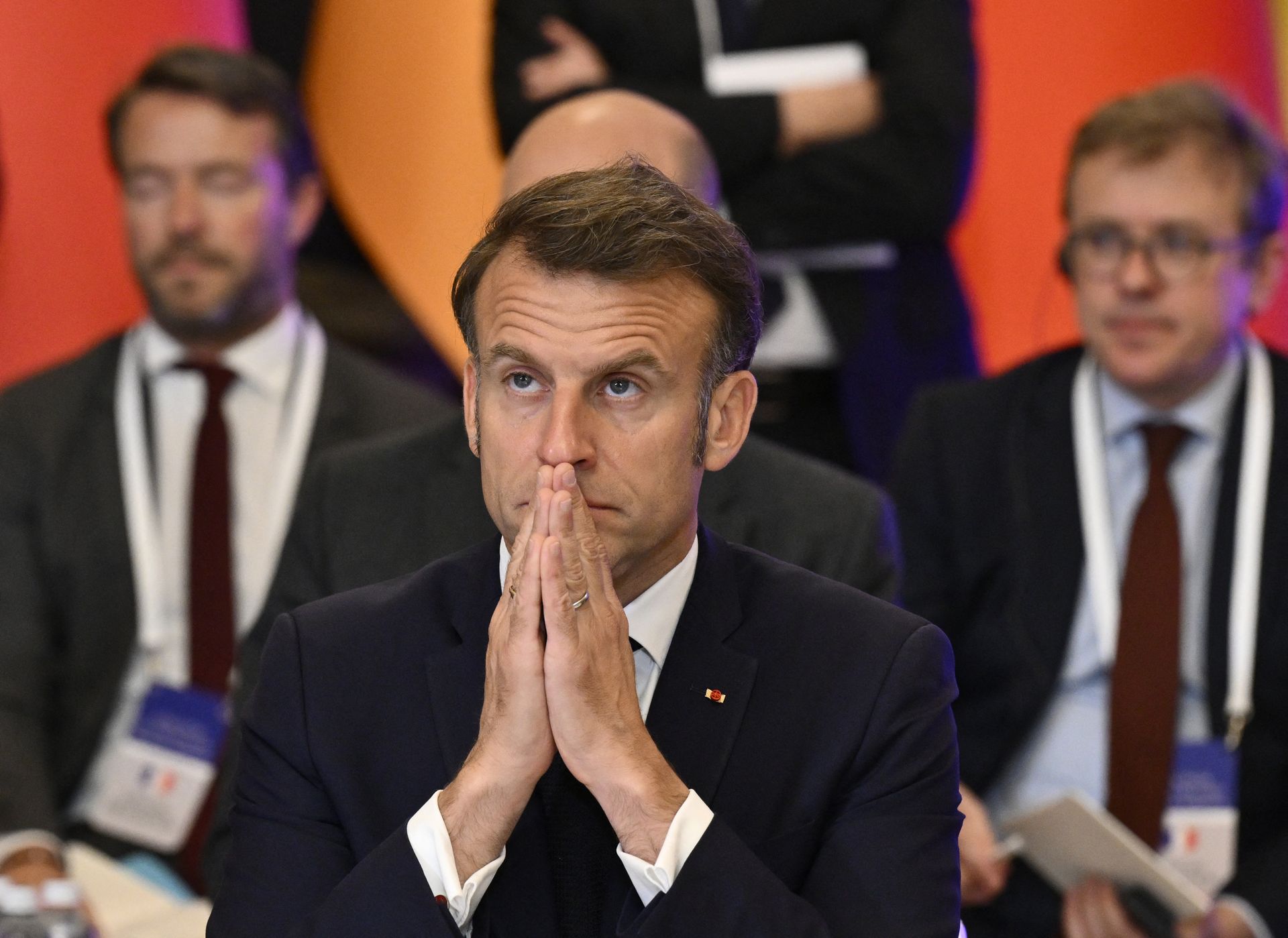
France and Italy have opted out of a new NATO-led initiative to finance U.S. weapons for Ukraine, citing domestic defense industry priorities, budget constraints, and fiscal limitations. This decision contrasts with the support from Germany, the UK, and other European nations for the plan, which aims to secure continued arms deliveries, particularly air defense systems, for Ukraine and is seen as a workaround for U.S. direct aid hesitations. While both France and Italy affirm their continued support for Kyiv, their non-participation highlights internal European divisions on defense procurement and financing mechanisms, with Poland advocating for the use of frozen Russian assets to fund such efforts.
The decision by France and Italy to abstain from a new NATO-led initiative to finance U.S. arms for Ukraine reveals a significant strategic and fiscal divergence within the European alliance. This split is not a rejection of support for Ukraine but rather a reflection of competing national priorities. France's opt-out is driven by President Macron's established policy of strengthening Europe's domestic defense industrial base, a move to reduce reliance on U.S. procurement, which is further amplified by domestic budget constraints. Similarly, Italy cites fiscal limitations and a preference for its existing technological commitments, such as the co-developed SAMP/T air defense system. This contrasts sharply with Germany's "massive" investment in the plan, which is framed as a pragmatic workaround to secure U.S. involvement under a hesitant Trump administration. The debate is further complicated by Poland's proposal to use frozen Russian assets instead of European taxpayer funds, introducing a contentious alternative financing mechanism. While the initiative, backed by the U.S., UK, Netherlands, and Nordic nations, ensures near-term delivery of critical air defense systems to Kyiv, the non-participation of two of Europe's largest economies signals potential long-term friction over burden-sharing and the strategic direction of European defense policy.
AI-powered research, real-time alerts, and portfolio analytics for institutional investors.
Overall Sentiment
mildly negative
Sentiment Score
-0.25
