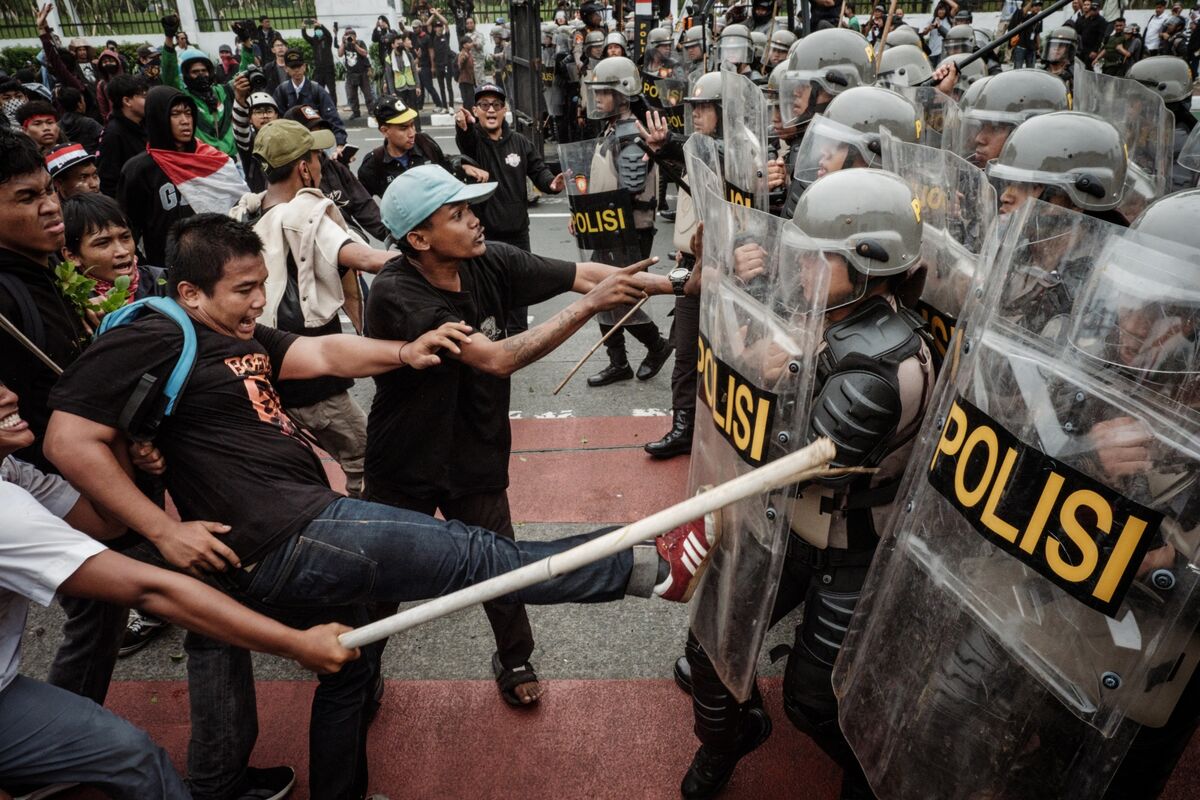
Indonesian President Prabowo Subianto is reportedly targeting the nation's tycoons, sidelining political rivals, and increasing pressure on the central bank as part of his strategy to reshape the economy. This intensified focus, solidified by his response to recent deadly unrest, indicates a commitment to bolder action aimed at curbing powerful business interests and addressing persistent inequality. Investors should anticipate potential policy shifts impacting large conglomerates and the independence of monetary policy in Southeast Asia's largest economy.
Recent political developments in Indonesia signal a significant increase in policy uncertainty and sovereign risk for investors. Following deadly civil unrest, President Prabowo Subianto's administration is reportedly preparing to take 'bolder action' to reshape the nation's economy. This strategy involves three key pressure points: reining in powerful business tycoons, sidelining political rivals, and increasing influence over the central bank. The focus on tycoons suggests a heightened risk of adverse regulatory changes, anti-monopoly actions, or fiscal policies targeting the large conglomerates that dominate the Indonesian market. Furthermore, any perceived or actual erosion of the central bank's independence could undermine confidence in monetary policy, potentially leading to increased currency volatility and challenges to inflation management. This pivot towards a more interventionist and nationalistic economic model, aimed at addressing inequality, introduces a period of high uncertainty, justifying the associated high market impact score and moderately negative sentiment.
AI-powered research, real-time alerts, and portfolio analytics for institutional investors.
Overall Sentiment
moderately negative
Sentiment Score
-0.50
