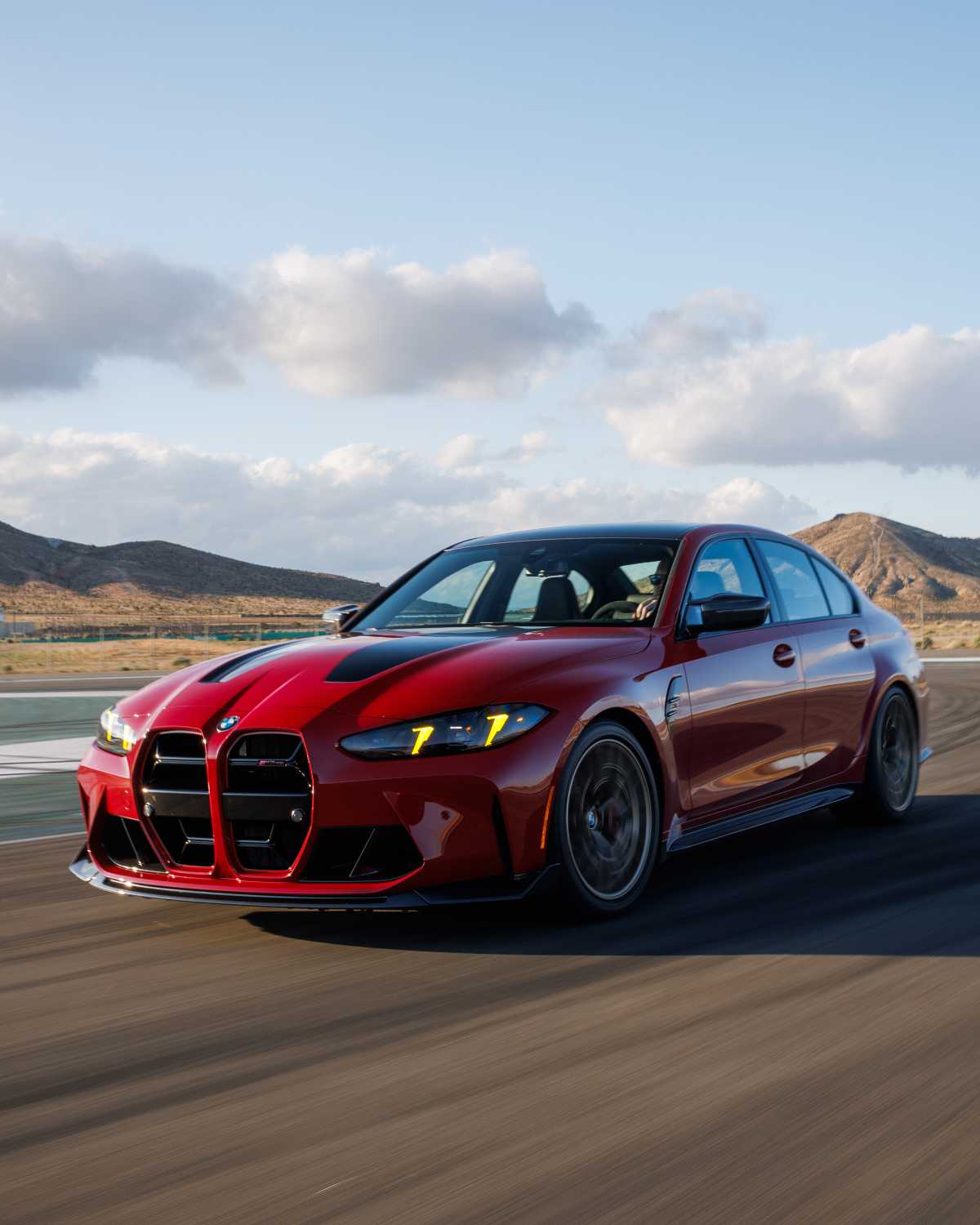
BMW announced the 2027 M3 CS Handschalter, a limited-edition North America-only model with a 473-hp 3.0-liter inline-6, 6-speed manual transmission, rear-wheel drive, and a starting price of $107,100 plus $1,350 destination. The car is targeted to be the lightest in the M3 lineup, cutting nearly 75 pounds versus the standard M3 and reaching 0-60 mph in 4.1 seconds. The release is a product and branding update for BMW M rather than a material financial event, though it reinforces the company’s performance-car positioning.
This is less about one halo car and more about BMW signaling price discipline at the top of its M franchise. A limited, manual, rear-drive CS variant in North America should support mix and residual values across the broader M3/M4 line by re-validating scarcity and enthusiast credibility, which matters because the performance-car buyer is unusually sensitive to perceived dilution. The incremental margin profile is attractive: content is being swapped toward high-excitement, low-volume trim rather than discounting base units, so the near-term benefit is mainly pricing power rather than unit growth.
The second-order winner is BMW’s U.S. manufacturing footprint. Anything that increases the desirability of U.S.-built performance exports strengthens BMW’s negotiating posture on tariff/political optics and keeps the South Carolina plant more central to the company’s global allocation strategy. That said, the supply chain implication is neutral to slightly positive for premium component suppliers with exposure to CFRP, forged wheels, brakes, and motorsport-grade materials; this is not a volume event, but it reinforces the idea that BMW will keep paying up for high-spec content even in a softer luxury cycle.
The key risk is demand elasticity at the upper end of the market. If aspirational buyers pull forward orders, the launch can create a short-lived spike in dealer traffic and then a quick air pocket once allocations are spoken for, which would limit follow-through for BMW retail margins over the next 1-2 quarters. More importantly, the manual-transmission nostalgia angle is strongest in the U.S. and weak outside it, so the broader implication is not global demand acceleration but a controlled, regionalized scarcity strategy.
Contrarian view: the market may overestimate how much this kind of launch moves the needle for BMW equity, because the model is too small to matter for revenue but not small enough to be ignored by product planning. The real tell is whether BMW continues to lean into high-ASP special editions across other nameplates; if yes, the narrative shifts from isolated enthusiast marketing to a broader luxury-margin defense strategy. If not, this is mostly a brand exercise with limited earnings leakage.
AI-powered research, real-time alerts, and portfolio analytics for institutional investors.
Request DemoOverall Sentiment
mildly positive
Sentiment Score
0.35
