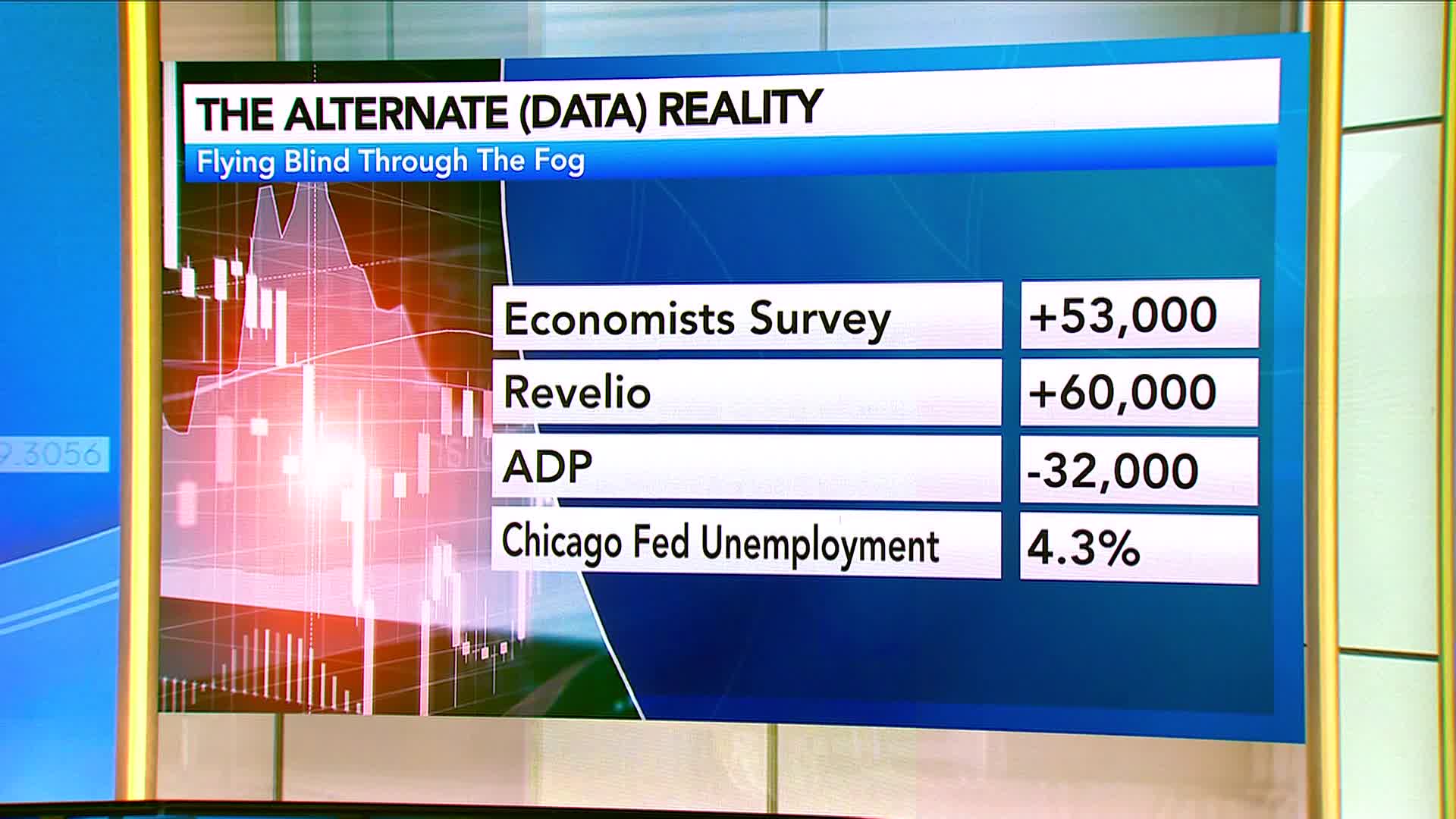
The monthly US jobs report was not released due to the government shutdown, yet recent economic data indicates sluggish hiring, limited layoffs, modest pay gains, and easing demand for workers in September. This provides an interim labor market assessment for investors amidst the official data disruption.
The absence of the monthly US jobs report due to the government shutdown has created an information void for market participants, elevating uncertainty. However, a composite of alternative, recent economic data provides a preliminary and consistent picture of the September labor market. These ancillary reports indicate a cooling trend, characterized by sluggish hiring, easing demand for workers, and modest pay gains. Simultaneously, the data points to limited layoffs, suggesting the labor market is moderating from a position of strength rather than contracting sharply. This combination points toward a gradual rebalancing, which could alleviate wage-push inflationary pressures, a key metric for monetary policy. The situation underscores a dual risk: the economic uncertainty stemming from the lack of official benchmark data and the direct economic drag from the government shutdown itself.
AI-powered research, real-time alerts, and portfolio analytics for institutional investors.
Request DemoOverall Sentiment
mildly negative
Sentiment Score
-0.30
