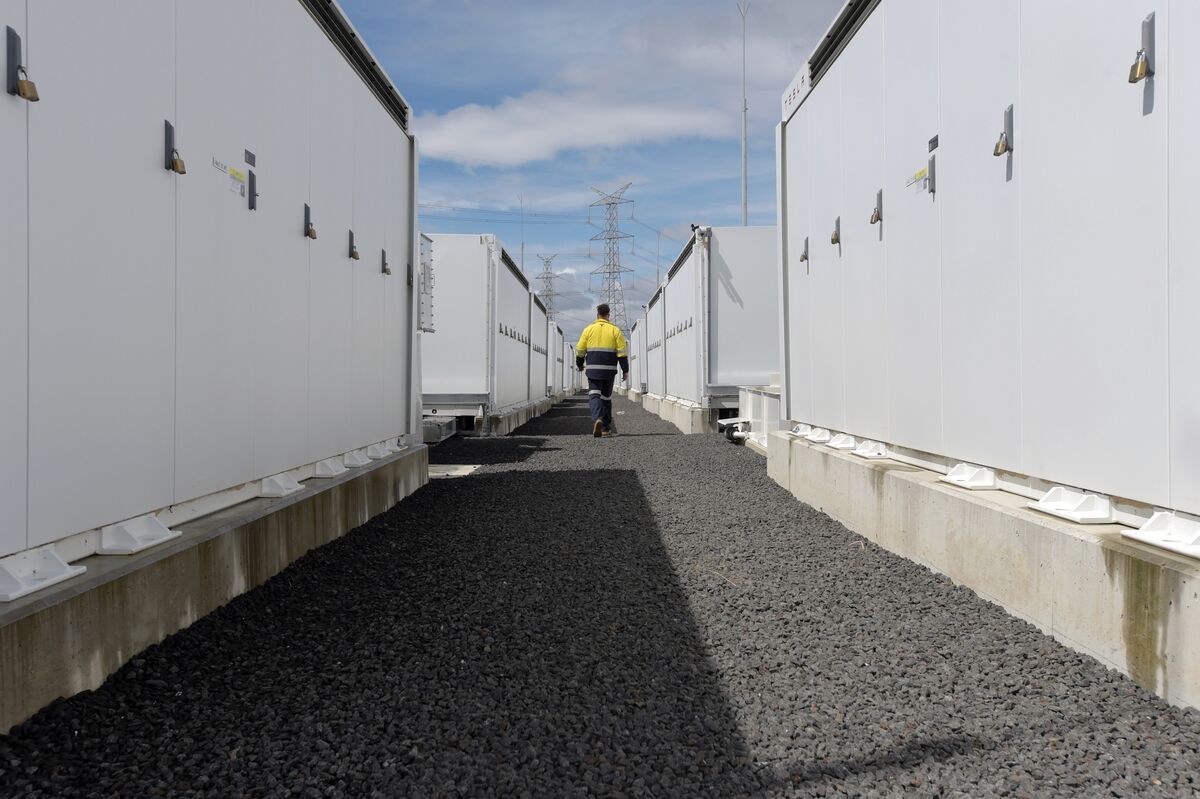
Australia’s battery trading economics weakened in 2025 as a surge in big-battery projects crowded the market, reducing profits from arbitraging low and high power prices in most regions. BloombergNEF says returns normalized by capacity fell as competition increased, a mild headwind for battery asset economics and investor expectations. The piece points to pressure on the revenue model underpinning storage deployments, though it is primarily an industry trend rather than an immediate market shock.
The first-order read is negative for standalone battery arbitrage economics, but the second-order implication is more important: the market is moving from scarcity rents to utility-like spread compression faster than many project models assumed. That means new builds will increasingly need ancillary services, capacity payments, or merchant hedges to justify returns; pure spot-spread capture is no longer a durable underwriting pillar in crowded regions. The beneficiaries are not the storage owners, but the balance-sheet players that can finance longer-dated contracts, co-locate with renewables, or monetize grid congestion more effectively than merchant-only competitors.
The pressure point shows up in the next 6-18 months as project pipelines deliver into already crowded trading windows. As realized spreads compress, marginal projects will likely reprice first in forward curves, then in equity multiples, especially for developers with a high mix of merchant storage and limited contracted cash flow. A secondary effect is on equipment vendors and integrators: near-term deployment can stay strong even while returns deteriorate, which creates the classic “volume up, economics down” setup that often precedes order book normalization.
The contrarian view is that lower arbitrage profits may not be a permanent headwind if volatility re-accelerates. Extreme weather, coal/gas outages, or transmission bottlenecks can quickly restore spread opportunities, and batteries with fast response still have value beyond simple energy arbitrage. In other words, the consensus may be overestimating how linear this compression is; the right question is not whether spreads are lower, but whether contracted revenues and ancillary markets can bridge the gap before merchant returns get repriced again.
AI-powered research, real-time alerts, and portfolio analytics for institutional investors.
Request DemoOverall Sentiment
mildly negative
Sentiment Score
-0.25
