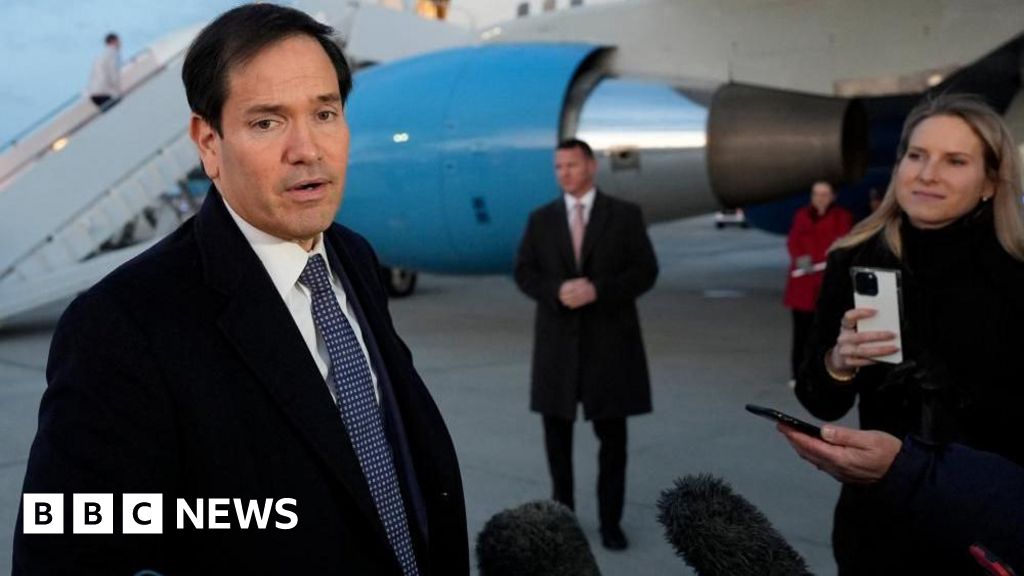
US Secretary of State Marco Rubio will lead the US delegation at the Munich Security Conference, framing a 'new era' in geopolitics as transatlantic trust strains amid President Trump's threats over Greenland, recent tariffs and questions about US reliability to NATO. With the summit set to address the war in Ukraine, China tensions and a possible Iran-US nuclear deal, the event heightens policy uncertainty that could affect defense spending, trade relations and investor risk assessments; market participants should watch for shifts in US posture that could influence tariffs, defense contractors and safe-haven flows.
Market structure: The immediate winners are defense and security suppliers (LMT, NOC, RTX, GD; EU names BAE.L, AIR.PA, HO.PA) and safe-haven assets (USD, gold, US Treasuries) as governments reprice geopolitical risk and begin multi-year procurement. Direct losers are large European exporters and integrated supply chains (German autos like VW.DE, BMW.DE; luxury goods; European banks) facing tariff/reciprocity risk and FX pressure if EUR falls 3-7% vs USD. Commodity impact is directional: higher risk premium on oil/gas (+$2–$6/bbl potential on geopolitical flights) and firming LNG/delivery optionality premiums.
AI-powered research, real-time alerts, and portfolio analytics for institutional investors.
Request DemoOverall Sentiment
moderately negative
Sentiment Score
-0.35
