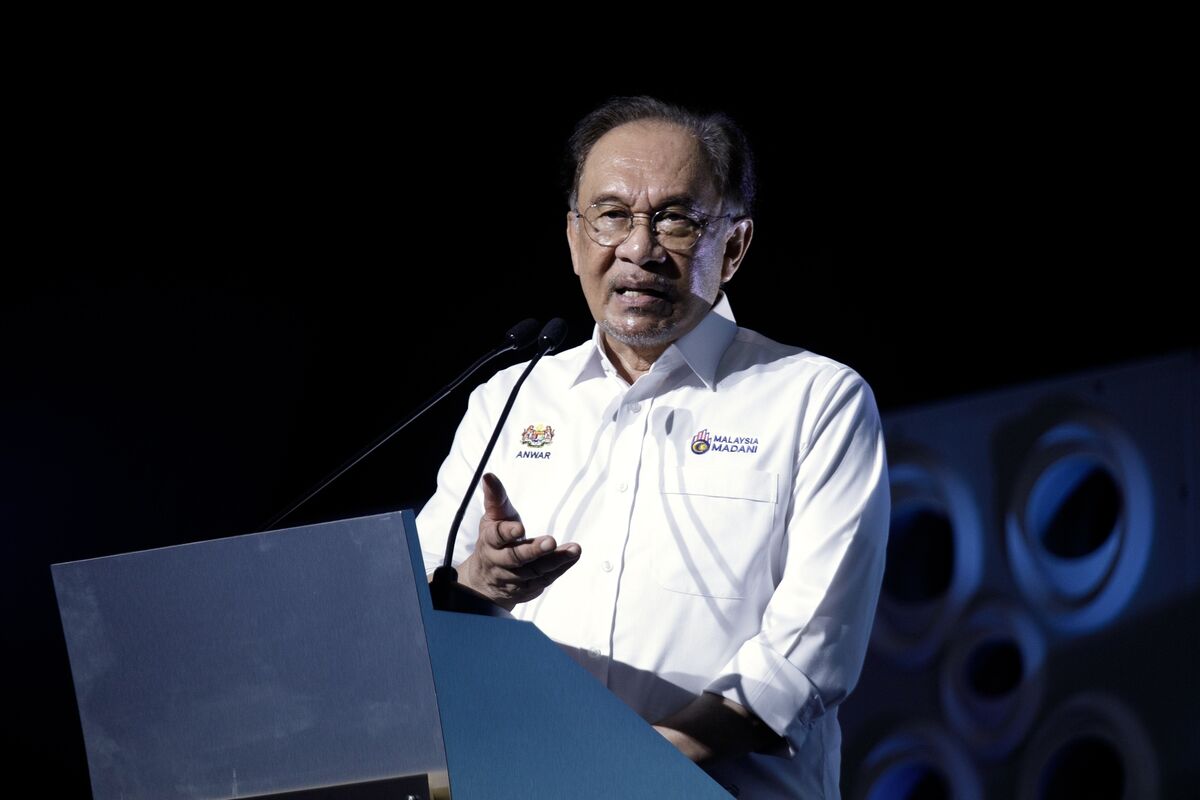
Malaysian Prime Minister Anwar Ibrahim plans to narrow the budget deficit next year by implementing subsidy cuts and improving tax collection, responding to lower petroleum revenue and a challenging economic outlook. The government proposes 419.2 billion ringgit ($99.3 billion) in spending for the upcoming year, a modest 1.7% increase over the revised 2025 estimate, signaling a strategic shift towards fiscal consolidation and reduced reliance on oil-related income.
Malaysian Prime Minister Anwar Ibrahim is initiating a fiscal consolidation strategy aimed at narrowing the national budget deficit. This involves implementing subsidy cuts and enhancing tax collection efforts, a direct response to declining petroleum-related revenue and a challenging economic outlook. The proposed government spending for the upcoming year is set at 419.2 billion ringgit ($99.3 billion), representing a modest 1.7% increase over the revised 2025 estimate.
This budgetary approach signals a strategic shift away from reliance on oil income, reflecting a proactive stance to address structural fiscal vulnerabilities. The government's cautious tone and the moderately negative sentiment surrounding the underlying economic conditions (lower revenue, dimming prospects) suggest a period of fiscal austerity. The 1.7% spending increase, lower than previous forecasts, underscores the commitment to fiscal discipline.
The emphasis on improved tax collection and subsidy rationalization indicates potential short-term headwinds for domestic consumption and economic growth, while aiming for long-term fiscal stability. This policy, categorized under "Fiscal Policy & Budget" and "Tax & Tariffs," carries implications for Malaysia's sovereign credit profile and its attractiveness as an emerging market investment destination.
AI-powered research, real-time alerts, and portfolio analytics for institutional investors.
Request DemoOverall Sentiment
moderately negative
Sentiment Score
-0.40
