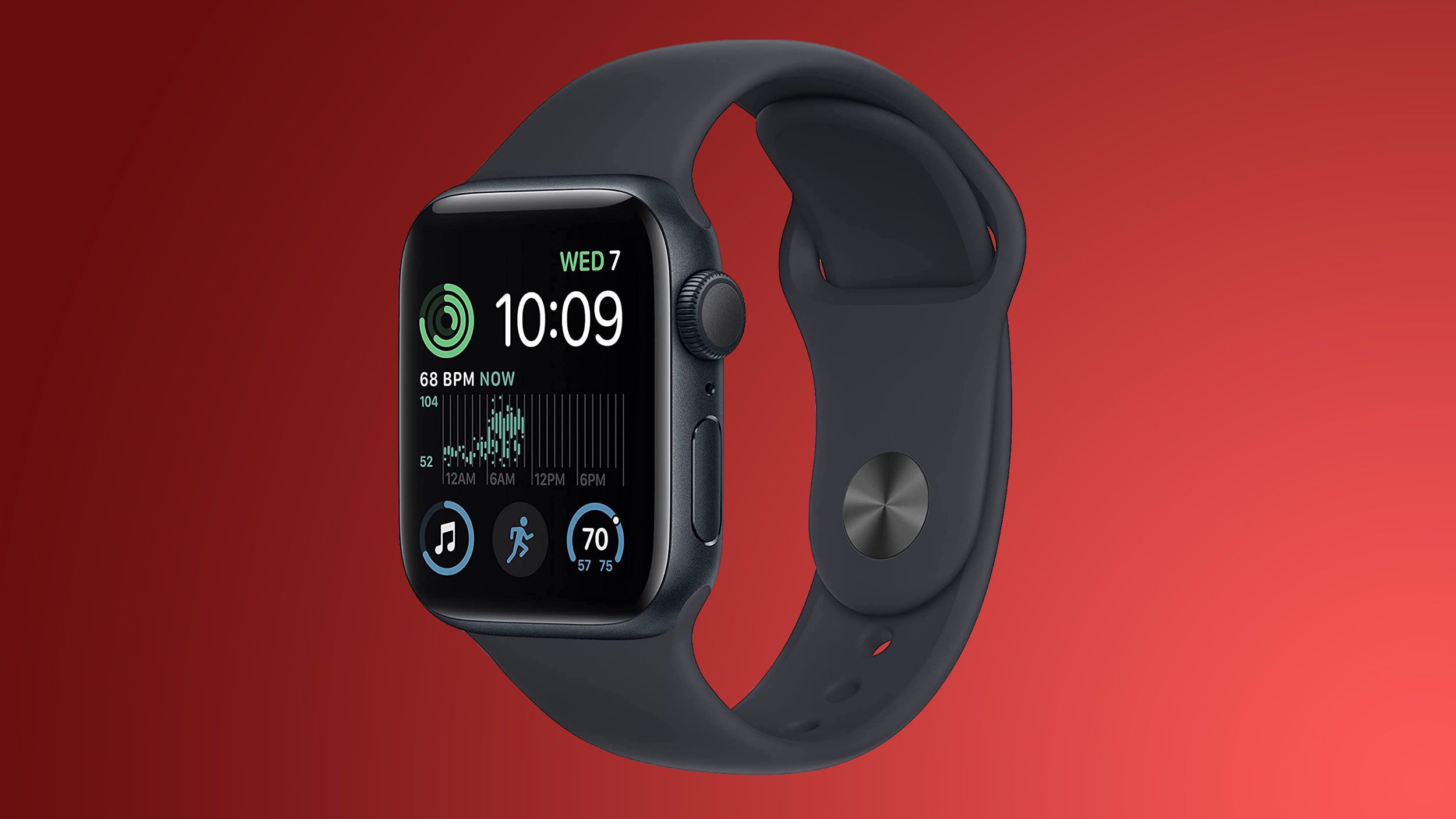
Apple released watchOS 5.3.10 and watchOS 8.8.2 for older Apple Watch models to extend the certificate required for device activation, iMessage, and FaceTime, preventing service disruptions after the prior certificate's January 2027 expiry. watchOS 5.3.10 targets Series 1–4 (with Series 1/2 limited by older iPhone compatibility) and watchOS 8.8.2 covers Series 3–7 and the original SE; watchOS 8 is the final supported OS for Series 3 and watchOS 5 is final for Series 1/2 on legacy iPhones. This is a maintenance/security update with minimal near-term financial impact on Apple or its device revenue.
Maintaining functionality on legacy devices is a low-cost lever that preserves network effects and recurring services revenue without needing fresh hardware sales. The economic math is simple: marginally higher engagement across an entrenched user base compounds Services margin (high incremental margin) and reduces churn, which is worth a few percent of aggregate services cashflow rather than a rounding error — this is a structural defense of unit economics, not a one-off PR move.
There is a subtle tradeoff between short-term unit sales and lifetime value. Extending usable life for older devices will compress near-term upgrade demand among the most price-sensitive cohorts, potentially shaving low-single-digit percentage points off replacement volumes in the following 12–24 months, while improving long-term ARPU and lowering acquisition costs for services.
Supply-chain and competitive second-order effects are underappreciated: slower replacement rates reduce near-term component orders (marginal sensors, displays, batteries) but increase the addressable market for refurbishers and aftermarket accessory makers. For rivals, this raises the bar — competitors that monetize services around new hardware lose the incremental share while incumbents keep the higher-margin recurring buckets intact.
Tail risks are concentrated in security and reputation: a single exploit affecting legacy devices or a botched UX could quickly invert goodwill into regulatory scrutiny and attrition. Near-term catalysts to watch are Services margin commentary and installed-base engagement metrics over the next four earnings cycles; a positive surprise there should re-rate the stock, while signs of accelerating upgrades would shift the calculus back toward hardware-driven growth.
AI-powered research, real-time alerts, and portfolio analytics for institutional investors.
Request DemoOverall Sentiment
neutral
Sentiment Score
0.00
Ticker Sentiment
