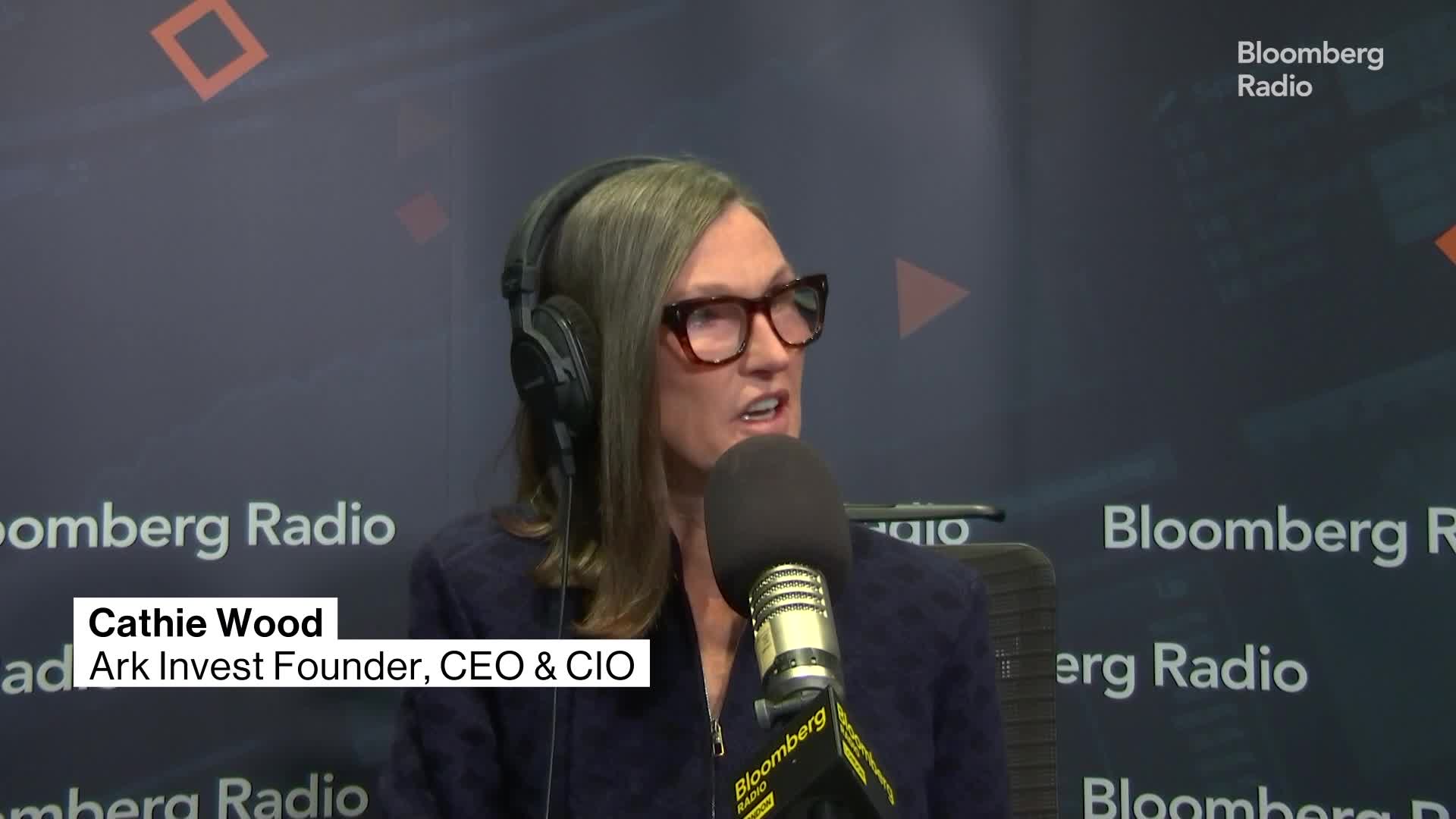
President Trump has implemented a $100,000 application fee for the H-1B visa program, a significant policy shift that drastically increases the cost for U.S. companies seeking skilled foreign workers. This move explicitly favors wealthier prospective expat workers and represents a substantial overhaul of the legal migration system, potentially impacting corporate talent acquisition strategies and operational expenses across industries reliant on these visas.
The US administration has enacted a significant overhaul of the legal migration system by imposing a $100,000 application fee on the H-1B visa program. This policy represents a material financial headwind for US corporations, particularly within the technology and innovation sectors, which are heavily reliant on this visa category for sourcing skilled international talent. The move, described as surprising by ARK Invest's Cathie Wood, introduces considerable uncertainty and directly impacts corporate operating expenses and talent acquisition strategies. The "strongly negative" sentiment signal reflects the market's immediate concern over increased costs and potential disruption to labor pipelines. This regulatory shift explicitly favors wealthier prospective workers and could alter the competitive landscape, potentially disadvantaging companies that depend on a steady inflow of foreign experts to maintain their innovative edge.
AI-powered research, real-time alerts, and portfolio analytics for institutional investors.
Request DemoOverall Sentiment
strongly negative
Sentiment Score
-0.60
