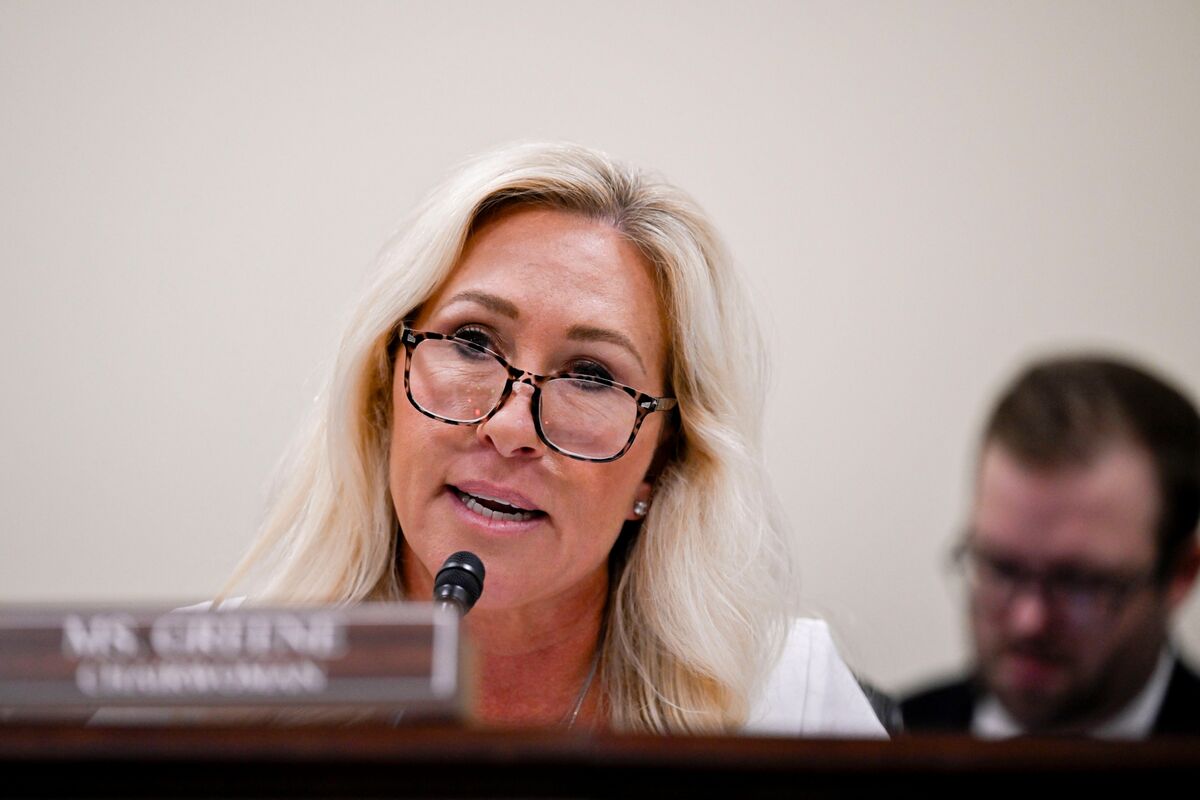
A Republican-backed proposal in a tax bill to preempt state AI regulations for ten years faces bipartisan opposition, highlighting a growing divide over AI oversight. Critics, including Representatives Greene, Senators Markey and Warren, and over 200 state lawmakers, argue the moratorium is potentially dangerous and violates Senate rules, while proponents like Senator Cruz express concern over a fragmented regulatory landscape. Tech industry groups like TechNet and OpenAI advocate for a national approach to avoid stifling innovation, though some AI firms like Anthropic see a role for states as a regulatory backstop.
A provision within a House-passed tax bill, aiming to prohibit states from enacting new artificial intelligence regulations for the next decade, is encountering significant bipartisan opposition, signaling deep divisions in Washington regarding the oversight of AI development. Prominent critics include Republican Representative Marjorie Taylor Greene and Senator Marsha Blackburn, alongside Democratic Senators Ed Markey and Elizabeth Warren, and over 200 state lawmakers from both parties, who have voiced concerns that such a moratorium is potentially dangerous given AI's rapid evolution and, in the case of the Senators, that it violates Senate budget reconciliation rules. Proponents, including Senator Ted Cruz, suggest a need to avoid a fragmented regulatory landscape, a sentiment echoed by tech industry groups like TechNet and AI developers such as OpenAI, who advocate for a consistent national approach to prevent stifling innovation and maintain U.S. leadership against competitors like China. Currently, with no federal AI framework, states like California, New York, and Utah have taken the initiative in legislating on AI, addressing issues like data privacy and bias. Major tech companies like Meta Platforms Inc. and Alphabet Inc.'s Google have remained silent on this specific measure, while OpenAI previously requested protection from a multitude of state rules concerning advanced model safety. Anthropic, an AI startup, prefers federal leadership but views states as a necessary "backstop" and considers a ten-year ban excessive. The overall sentiment surrounding this legislative uncertainty is "moderately negative" with an "uncertain" tone and a market impact score of 0.65, indicating potential significant effects on the AI sector depending on the provision's fate.
AI-powered research, real-time alerts, and portfolio analytics for institutional investors.
Request DemoOverall Sentiment
moderately negative
Sentiment Score
-0.35
Ticker Sentiment
