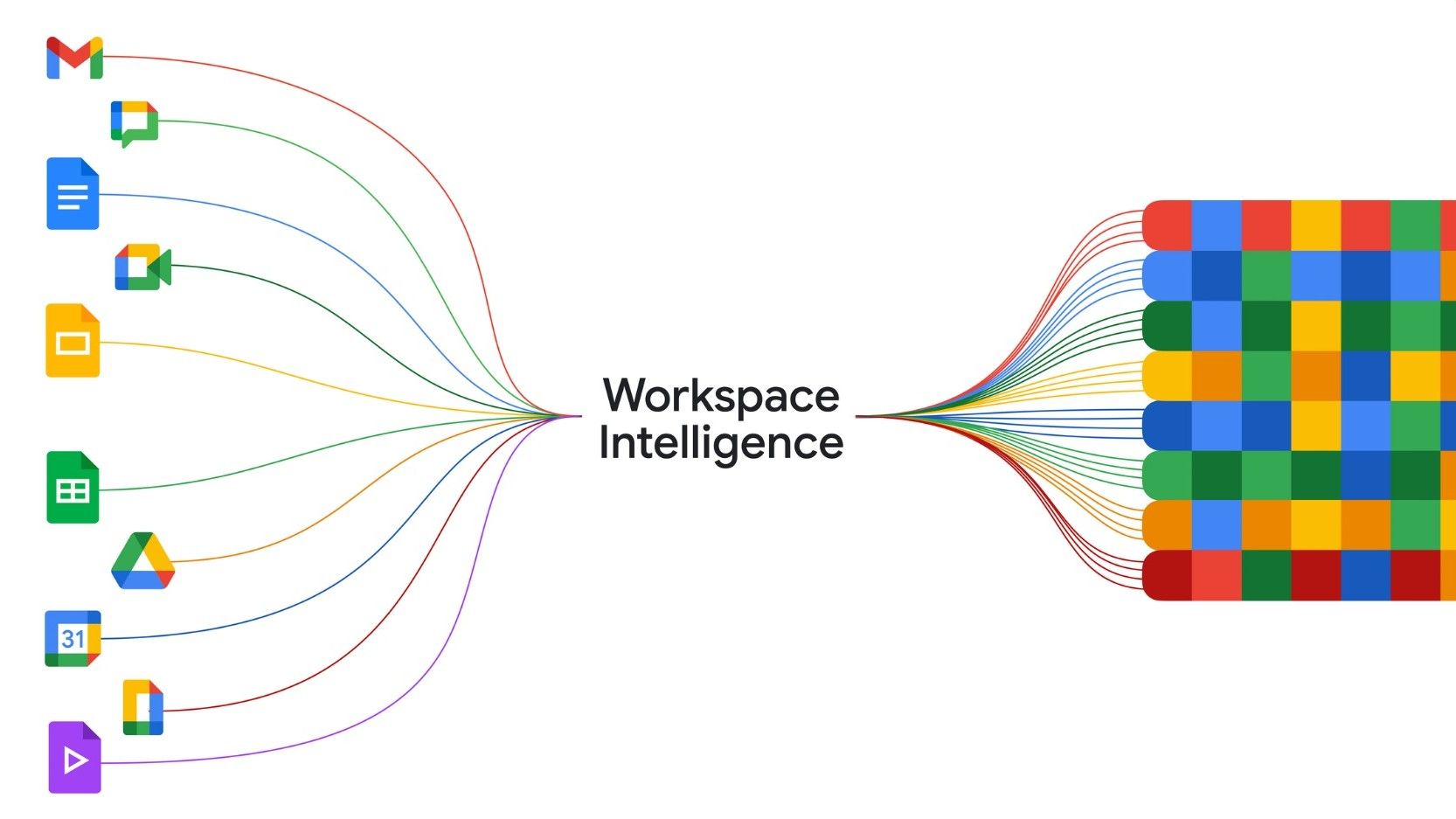
Google unveiled Workspace Intelligence at Cloud Next 2026, expanding Gemini-powered automation across Docs, Slides, Sheets, Chat, and Gmail. The updates include AI-driven infographics, image editing, data visualization, chat assistance, daily briefs, meeting scheduling, and an AI Inbox for priority emails. Google is also pricing AI Ultra access at $250 per month in the U.S., underscoring a premium monetization push for its enterprise AI suite.
This is less about a single product launch and more about Google turning Workspace into a workflow operating system. The second-order effect is distribution: if Gemini becomes the default layer across email, docs, chat, and presentations, Google can raise switching costs without needing to win every standalone AI benchmark. That matters because enterprise AI adoption is still bottlenecked by fragmentation; an embedded assistant with permissioned access to company context is more monetizable than a generic chatbot and more defensible than point-solution copilots.
The near-term beneficiaries are GOOGL cloud and subscription revenue, but the bigger strategic benefit is retention of business users and increased seat expansion over the next 2-6 quarters. If AI saves even 5-10 minutes per knowledge worker per day, CFOs can justify premium tiers on productivity ROI alone, which should improve conversion in mid-market and large enterprise accounts. The risk is execution and trust: once the product starts acting on behalf of users, any hallucination, mis-formatting, or incorrect action in Chat/Docs creates disproportionate reputational risk and may slow deployment in regulated verticals.
The market may be underestimating how this compresses the moat of adjacent software vendors rather than just boosting Google’s own top line. Microsoft remains the obvious competitive threat, but the more immediate pressure is on vendors selling lightweight workflow automation, meeting assistants, and document-generation tools that rely on weak context integration; Google can bundle those use cases into the core suite at marginal cost. Over 6-12 months, the key catalyst is enterprise usage metrics and evidence that AI features are lifting seat penetration and retention rather than just engagement.
Contrarianly, the bull case is not that this drives a sudden re-rating, but that it quietly improves monetization per user with limited incremental CAC. The move is probably underdone if investors are still treating Workspace AI as a feature add-on rather than a distribution moat, but overdone if they assume immediate enterprise-wide adoption. The right framing is a durable, gradual compounding story with asymmetric upside if Google shows measurable productivity gains and low error rates in paid deployments.
AI-powered research, real-time alerts, and portfolio analytics for institutional investors.
Request TrialOverall Sentiment
mildly positive
Sentiment Score
0.42
Ticker Sentiment
