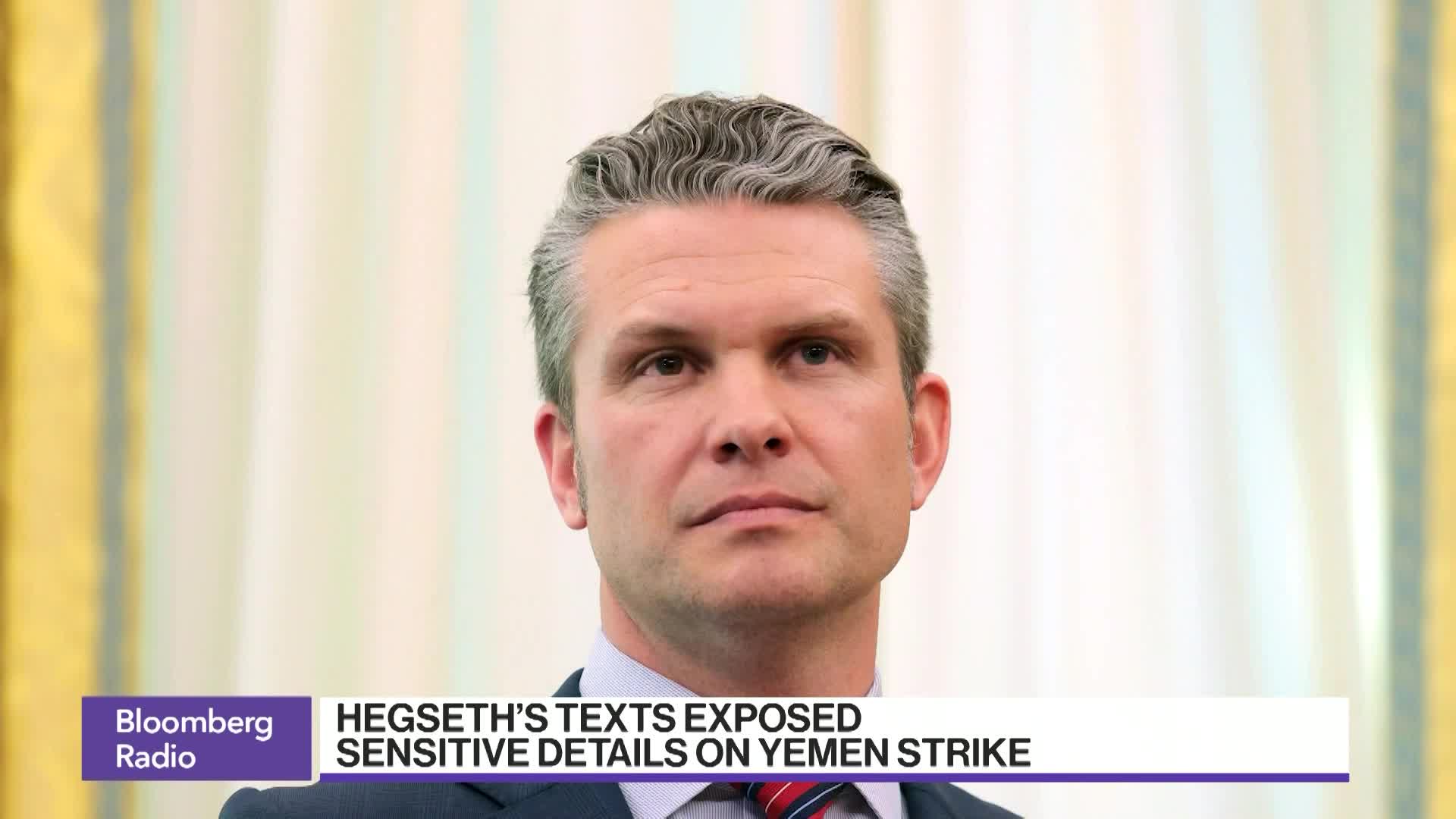
An 84‑page Pentagon IG report alleges the Secretary of Defense circulated classified operational information (including timing of strikes) to non‑official channels, creating real risk to U.S. forces and pilots; the IG says the disclosures could have harmed missions even though some senior senators note he may have had authority to communicate with Cabinet officials. The report highlights operational‑security failures, the involvement of outside actors (including a journalist inadvertently added), potential implications for aides like Pete Hegseth, and concurrent testimony from senior military leaders on Capitol Hill, escalating political and oversight scrutiny but stopping short of immediate market‑moving consequences.
Market structure: Operational-security missteps increase near-term demand for secure communications, classified-capable avionics and cybersecurity services. Winners are large defense primes with secure-systems portfolios (LHX, LMT, RTX) and pure-play cybersecurity vendors (PANW, CRWD); losers are small, media-dependent contractors and commercial cloud vendors when procurement shifts to cleared suppliers. Expect modest rebalancing of DoD procurement budgets — a 3–8% incremental spend tilt toward classified/specialty systems over 12 months.
Risk assessment: Tail risks include a rare but high-impact geopolitical escalation (Venezuela/region) that would spike oil +5–15% and equities volatility; regulatory tail includes Congress imposing stricter classified-communication controls that slow program timelines. Immediate (days): headlines and hearings drive idiosyncratic volatility; short-term (weeks–months): contract repricing and IT procurement RFPs; long-term (quarters–years): durable budget reallocation toward vetted suppliers and hardened comms. Hidden dependency: hyperscalers (AMZN, MSFT) risk losing classified workload share to cleared contractors, creating second-order winners/losers.
Trade implications: Expect DEFENSE names to outperform on perceived OPSEC demand; implied vol for LMT/LHX/RTX should rise on hearings — use 3–6 month option structures to express this. Cross-asset: Treasuries and USD may see safe-haven inflows on escalation; commodities (oil, gold) are conditional volatility plays if military action probability >5% in 30 days. Catalysts to watch: IG report publication, SASC hearings within 0–30 days, and any DoD procurement memos over 60 days.
Contrarian angle: Consensus underestimates upside for legacy cleared-systems vendors (LHX, NOC) versus commercial cloud — historic precedent: post-Snowden reallocation favored hardened vendors for 12–24 months. Reaction is likely underdone for cybersecurity equities given low absolute multiples; overdone for small-cap contractors whose revenues are news-dependent. Unintended consequence: stricter OPSEC rules could lengthen contract cycles, favoring large primes and penalizing high-turnover small caps.
AI-powered research, real-time alerts, and portfolio analytics for institutional investors.
Request DemoOverall Sentiment
moderately negative
Sentiment Score
-0.35
