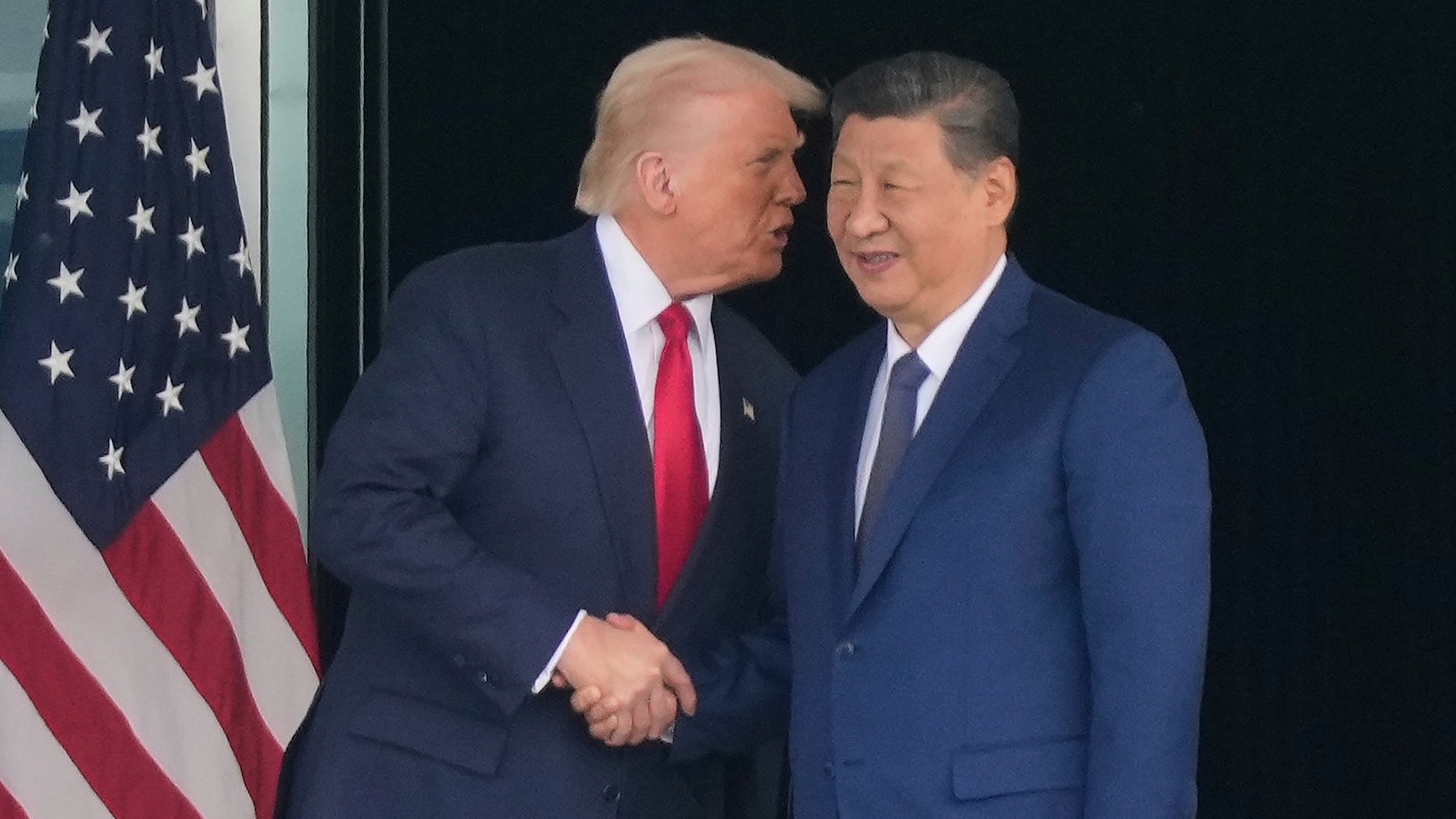
The planned Trump-Xi summit was postponed by six weeks due to the Iran war, effectively moving the meeting into May. The conflict has diverted U.S. military assets from the Indo-Pacific and given China time and space to strengthen its position, while Beijing has used rare-earth export controls and faces limited U.S. retaliation after the Supreme Court struck down broad emergency tariffs. Expect Beijing to press for an extension of the trade truce, rollbacks of export controls on advanced technology (including AI semiconductors), and looser scrutiny of Chinese investment — a development that is sector-moving for tech, commodities (rare earths) and energy.
Beijing's decision to avoid active entanglement is itself an operational lever: the quiet option buys time to harden supply chains, accelerate rare-earth and semiconductor vertical integration, and harvest direct observations of U.S. wartime logistics that can be translated into Taiwan contingency playbooks. Expect measured, non-linear shifts rather than headline-grabbing moves — targeted export controls, opportunistic commodity purchases, and stepped-up investment in friend-shoring that compound over 6–24 months into a materially different industrial base.
Second-order winners will be non-Chinese producers of critical minerals and the semiconductor capital equipment suppliers that benefit from onshoring and CHIPS-like subsidy flows; conversely, firms highly exposed to Chinese access for advanced nodes or rare-earth processing face idiosyncratic shock risk if Beijing weaponizes exports intermittently. Maritime security frictions raise freight and insurance premia — favoring tanker and storage capacity owners in the near term and raising the effective cost of seaborne energy and inputs for 3–9 months.
Catalyst map: (1) a publicized Chinese export restriction expansion or a US reciprocal measure (days–weeks) materially widens price dislocations; (2) a visible increase in PLA exercises or leaked operational learnings (months) would re-rate defense and semiconductor-pause-risk premia; (3) a ceremonial diplomatic breakthrough that concedes little (weeks) is the base case and will extend the status quo, compressing volatility but not risk. Reversals come from quick US policy countermeasures (tariffs/controls reinstated) or a sudden de-escalation in the Middle East that returns U.S. assets to Indo‑Pacific within 30–90 days.
AI-powered research, real-time alerts, and portfolio analytics for institutional investors.
Request DemoOverall Sentiment
mildly negative
Sentiment Score
-0.15
