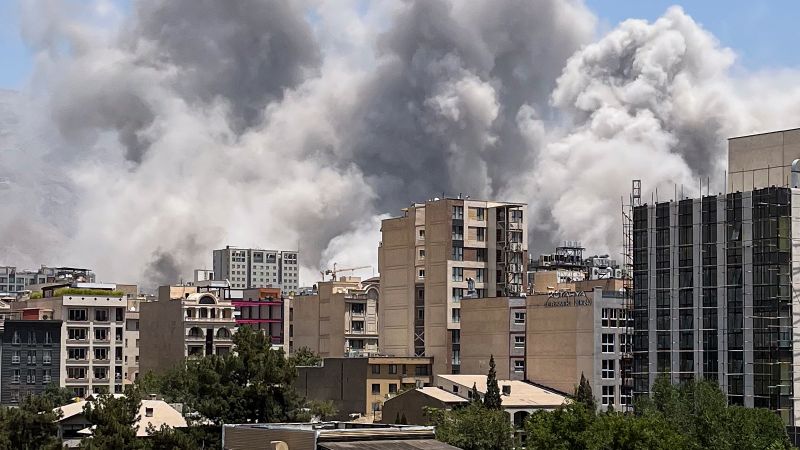
An early US intelligence assessment indicates recent military strikes on Iran's nuclear facilities only set back its program by months, a view the White House disputes. Concurrently, the fragile ceasefire between Israel and Iran appears to be holding, despite President Trump's expressed anger over its instability and his particular displeasure with Israel. Trump also clarified he does not seek regime change in Iran, aiming to avoid regional chaos, signaling ongoing geopolitical complexities for the region and global energy markets.
The geopolitical landscape in the Middle East remains highly uncertain following recent U.S. military strikes on Iran's nuclear facilities. An early U.S. intelligence assessment indicates the strikes had a limited impact, potentially setting back Iran's nuclear program by only a matter of months, a conclusion the White House has publicly disputed. This divergence in official reporting creates ambiguity about the strategic effectiveness of the intervention. Concurrently, a U.S.-brokered ceasefire between Israel and Iran is described as fragile, with President Trump expressing notable frustration over its instability, particularly with Israel's role. However, Trump's explicit statement that he does not seek regime change in Iran, aiming to prevent regional "chaos," may place a cap on the potential for further escalation. The situation, classified with a moderately negative sentiment and a significant market impact score of 0.6, points to sustained tension and risk, directly affecting energy markets and the defense sector.
AI-powered research, real-time alerts, and portfolio analytics for institutional investors.
Request DemoOverall Sentiment
moderately negative
Sentiment Score
-0.40
