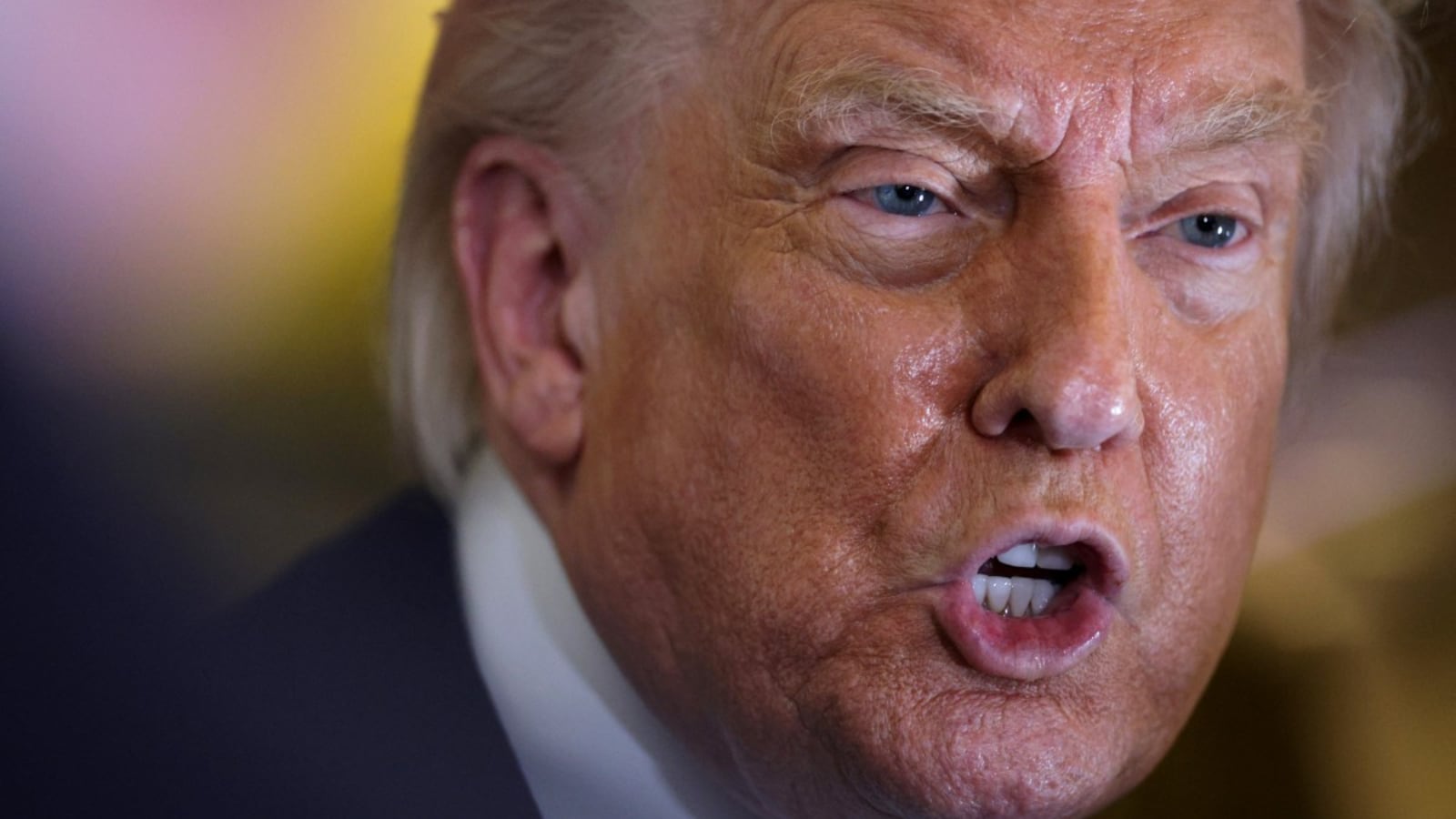
Trump warned that renewed U.S. military strikes on Iran could come within "2-3 days" and said he may still authorize "another big hit" if no deal is reached. He also said Iran cannot be allowed to obtain a nuclear weapon and added that the U.S. military is prepared for a full, large-scale assault on short notice. The escalating rhetoric raises geopolitical and energy-supply risk, especially given Iran's leverage over the Strait of Hormuz.
The market is mispricing this as a binary headline risk when the real tradeable variable is duration of uncertainty. The threat of near-term escalation should keep the front end of the energy complex bid, but the larger second-order effect is a persistent risk premium in freight, insurance, and Gulf-linked shipping routes even without shots fired, because counterparties will start pre-hedging delivery disruption well before any formal action. That makes the setup more attractive in volatility-linked expressions than in outright directionals, since the first move can be sharp while the policy path remains highly reversible.
The most vulnerable assets are not just crude importers, but industrials and airlines with exposure to jet fuel and marine fuel inputs, plus refiners with narrow regional sourcing flexibility if Middle East flows are interrupted. A temporary closure or even partial impairment of Hormuz would disproportionately benefit non-Middle East barrels and midstream infrastructure outside the Gulf, while pressuring global chemical margins through higher naphtha and feedstock costs. Defense names can catch a sympathy bid, but the better risk-adjusted expression is in firms with immediate budget authorization and replenishment demand, not pure-platform manufacturers.
The key catalyst window is days, not months: an escalation headline can gap markets, but a de-escalation via a negotiated pause would likely unwind part of the move quickly because positioning will be tactical and crowded. The contrarian view is that the geopolitical premium may be capped if Gulf states are actively backstopping diplomacy; that reduces the odds of a full supply shock and favors fading sustained strength in crude if no physical disruption emerges. The asymmetry is therefore best expressed with options and relative value rather than large cash equity bets.
AI-powered research, real-time alerts, and portfolio analytics for institutional investors.
Request DemoOverall Sentiment
strongly negative
Sentiment Score
-0.82
