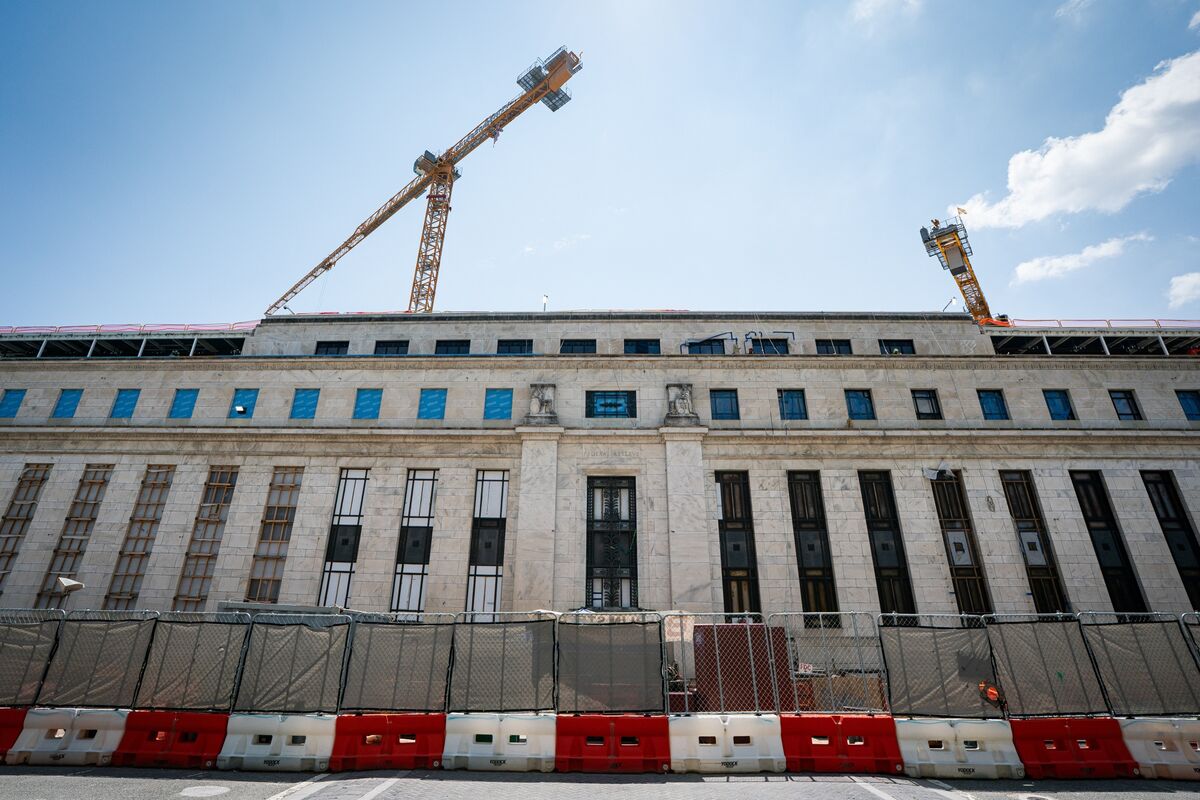
The Federal Reserve is anticipated to initiate its first interest rate cut in nine months this week, responding to a decelerating labor market, persistent inflation, and considerable political pressure from President Trump for lower borrowing costs; however, this initial reduction does not guarantee a smooth path for subsequent easing.
The Federal Reserve is positioned to enact its first interest rate reduction in nine months, a decision driven by a complex mix of conflicting economic signals and significant political influence. The primary catalysts for this anticipated cut are a decelerating labor market, which argues for monetary easing, and concurrent stubborn inflation, which typically calls for a more hawkish stance. Compounding this economic dilemma is what the article terms an "unprecedented push" from the Trump administration for lower borrowing costs, introducing a political dimension to the Fed's calculus. Critically, this initial cut is not expected to initiate a predictable easing cycle; the outlook is characterized by a high degree of uncertainty regarding the future pace and magnitude of reductions, as there is no guaranteed "smooth glide path to lower rates." This ambiguity, reflected in the mixed sentiment and high market impact score, suggests the market is grappling with a central bank caught between weakening growth, persistent inflation, and political pressure, making its future policy trajectory highly unpredictable.
AI-powered research, real-time alerts, and portfolio analytics for institutional investors.
Request DemoOverall Sentiment
mixed
Sentiment Score
-0.10
