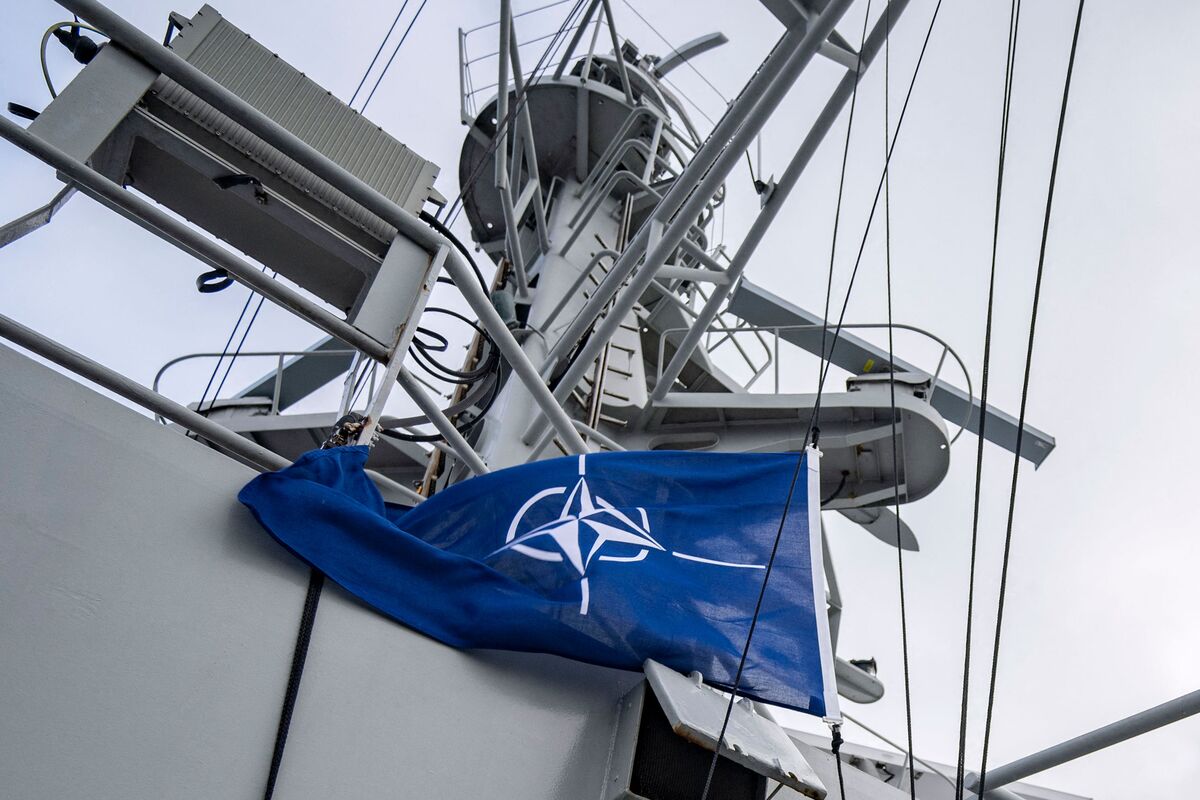
NATO is discussing a possible deployment to help protect commercial shipping through the Strait of Hormuz if the waterway is not fully reopened by early July. The plan lacks unanimous approval and the operational approach remains unclear, while a prior U.S. effort was halted within days and Iran has reportedly fired on ships in the area. The news raises near-term geopolitical and shipping-route risk in a critical energy chokepoint.
The market is underpricing the knock-on effect of a prolonged Hormuz security premium: even a modest rise in tanker delays can lift delivered oil and LNG prices more than headline crude, because freight, war-risk insurance, and demurrage stack multiplicatively. That means the first beneficiaries are not just upstream energy producers, but shipowners, marine insurers, and non-U.S. LNG exporters with optionality to reroute or reprice cargoes faster than pipeline-linked competitors.
The bigger second-order loser is the global manufacturing complex, especially European and Asian chem/industrial names with high feedstock sensitivity and limited pass-through. If transit uncertainty persists into the July window, expect a “just-in-time” inventory rebuild that temporarily supports rates for container and product tankers, but then compresses margins for refiners and downstream users as working capital ties up and demand gets deferred.
The key catalyst is not full closure, but whether a credible escort regime restores enough confidence to normalize charter markets. If NATO cannot create a durable deterrent, the market will likely keep a geopolitical risk premium embedded for weeks, not days, because shipowners will demand longer contract tenor and higher compensation even after incidents stop. Conversely, a successful corridor would trigger a sharp mean reversion in freight and insurance quickly, likely within 1-2 weeks, making this a very tactical trade rather than a structural one.
Consensus seems to focus on crude price direction, but the more attractive expression is in transport dislocation and options on volatility. The move is probably underdone in terms of logistics bottlenecks: the real damage shows up in delivery reliability and margin volatility before it shows up in outright commodity scarcity.
AI-powered research, real-time alerts, and portfolio analytics for institutional investors.
Request DemoOverall Sentiment
moderately negative
Sentiment Score
-0.35
