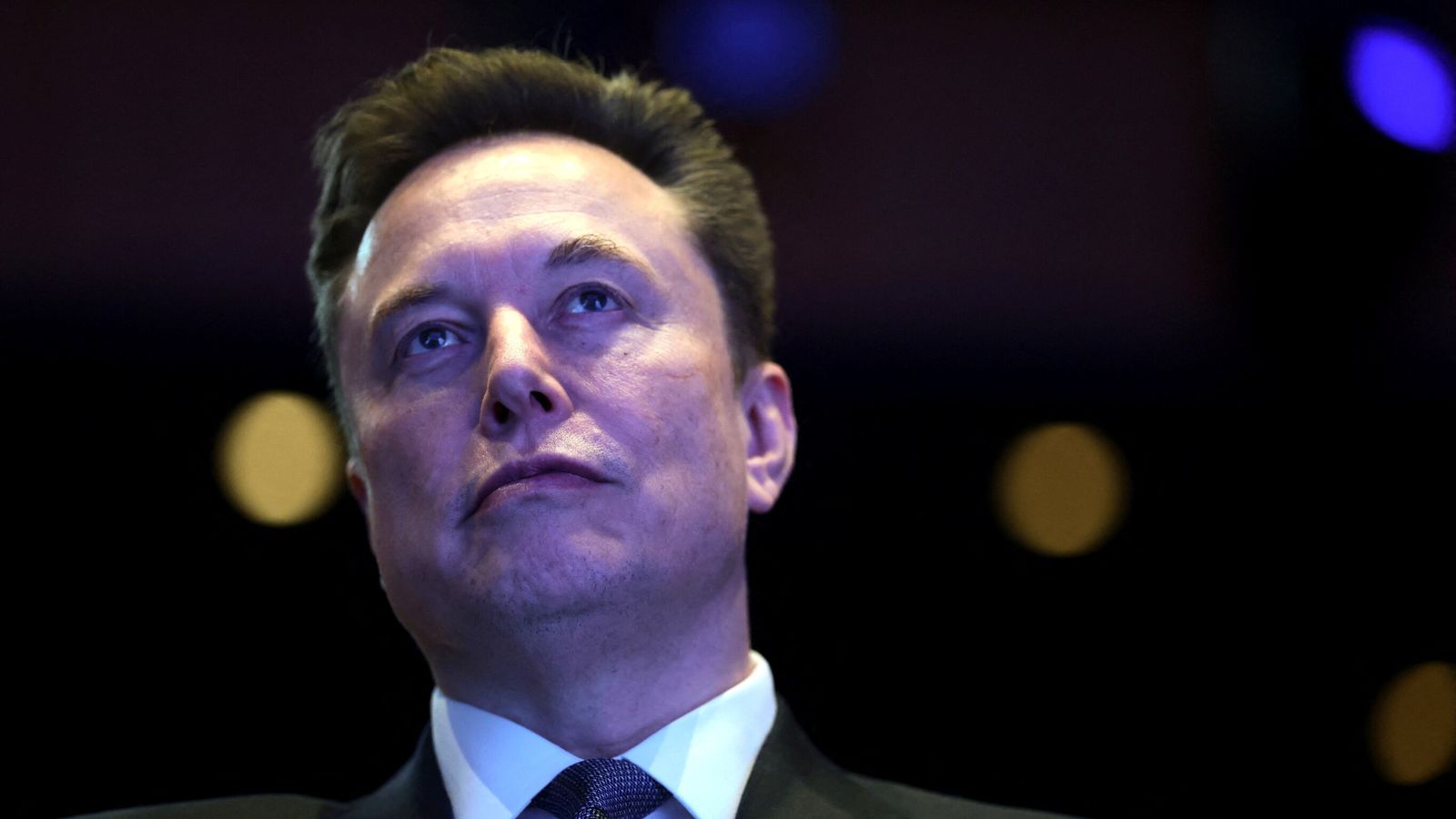
SpaceX has acquired Elon Musk's AI start-up xAI in a deal that combines Musk's satellite, social-media and AI assets and, according to Bloomberg, would create a combined valuation of $1.25 trillion. Management frames the transaction as a vertical integration to develop space‑based AI data centres leveraging near‑constant solar power and Starlink connectivity; the move precedes an anticipated SpaceX IPO later this year and follows xAI's planned $20bn Mississippi data‑centre investment. The deal could materially reshape capital allocation and competitive dynamics in AI infrastructure and satellite computing, while regulatory scrutiny of xAI/X's chatbot (Ofcom and UK political attention) introduces reputational and compliance risks.
Market structure: Vertical integration of SpaceX + xAI reallocates scarce launch and radiation‑hardened compute capacity to a single owner, creating winners among SpaceX, Starlink/X ad inventory (short term) and launch suppliers; terrestrial hyperscalers (AWS, GCP, Azure) face a niche but strategic competitor for ultra-high‑power workloads. Expect higher demand for launch cadence, specialized semiconductors and solar arrays — supply will be capacity‑constrained for 12–36 months, supporting premium pricing for launch slots and parts. Commodities (polysilicon, specialty alloys) and semiconductor capital equipment see directional upside; sovereign/regulatory risk will increase risk premia on long‑dated debt for exposed vendors.
Risk assessment: Tail risks include export controls/ITAR and national security intervention that could block space‑based data hosting (low prob, high impact), catastrophic launch failure destroying compute nodes, and reputational/legal hits from X/Grok leading to fines or ad revenue loss. Immediate (days–weeks) volatility likely around regulatory headlines; medium (3–12 months) hinges on SpaceX IPO mechanics and cap table, long term (2–5 years) depends on demonstrated economics of in‑space TCO vs terrestrial. Hidden dependencies: radiation‑hard chip availability, orbital maintenance logistics, and cross‑licensing with telecom regulators.
Trade implications: Tactical: overweight Alphabet (GOOGL/GOOG) 2–3% overweight to capture cloud/AI pricing response and Project Suncatcher R&D spillover; size a 6–9 month call spread 10–20% OTM to lever upside while capping premium. Reduce concentrated TSLA exposure by 1–2% within 30 days and redeploy into NVDA (0.5–1%) and LMT/RTX (0.5–1%) to express semiconductor and launch/systems beneficiaries over 6–18 months. Quick hedge: buy 3–6 month out‑of‑the‑money puts (cost 0.5–1% notional) on high‑multiple AI names if regulatory probes escalate.
Contrarian angles: Market may be underpricing launch/maintenance capex — $1.25trn headline valuation assumes rapid unit‑economics improvements that may take 3+ years; investors betting on near‑term margins risk a value reset at IPO/earnings. Historical parallels (vertical consolidation in defense and cloud) show upfront synergy promises often require heavy capex and regulatory friction before revenue realization. If regulators force data‑sovereignty splits or ban certain ads/services on X, implied upside to SpaceX's valuation compresses materially, creating an event‑driven short opportunity at IPO.
AI-powered research, real-time alerts, and portfolio analytics for institutional investors.
Request DemoOverall Sentiment
moderately positive
Sentiment Score
0.45
Ticker Sentiment
