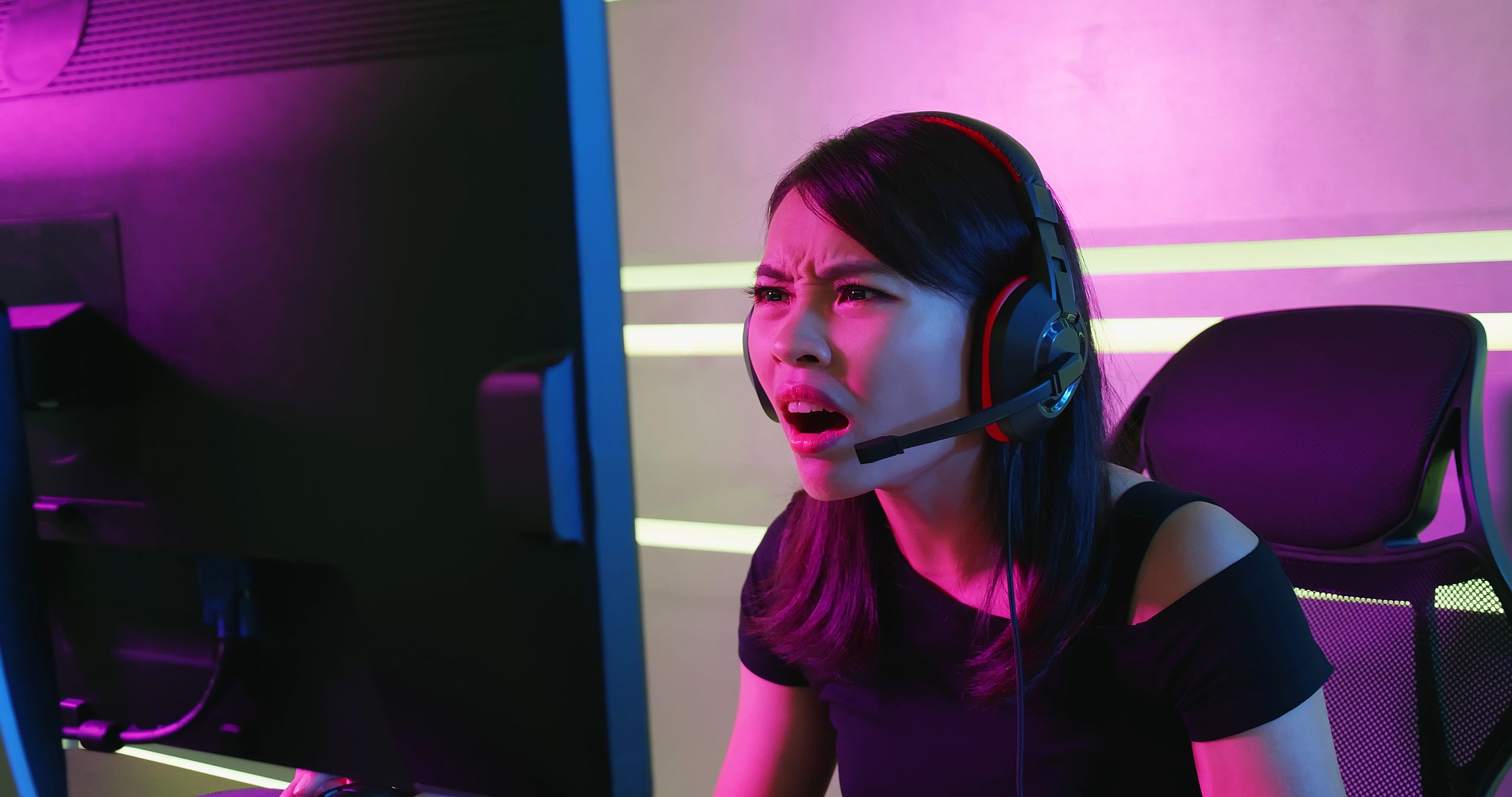
Microsoft has released its February Windows 11 update which includes a fix for a kernel-level graphics error (dxgmms2.sys) that caused 'Kernel_Security_Check_Failure' black-screen crashes affecting various GPU configurations and reportedly impacting gamers on titles like Genshin Impact and Marvel Rivals. The update also remedies a WPA3 Wi‑Fi connectivity bug introduced in the January preview; while operationally important for user experience, these issues are unlikely to materially affect Microsoft’s financials, though they represent a recurring reputational risk in Windows 11 releases that investors should monitor for potential short-term consumer and partner sentiment effects.
Market structure: Microsoft (MSFT) is the direct short-term loser — reputational and consumer-trust costs concentrate in Windows gaming (estimate: <1–2% revenue risk to consumer/Surface/gaming segments over next 1–2 quarters). GPU vendors (NVDA, AMD, INTC) face transient support/headline friction (likely <1% unit-demand impact) while Apple (AAPL) benefits modestly as a reliability alternative for high-end consumers, potentially supporting a 1–3% relative outperformance in next 30–90 days.
Risk assessment: Tail risks are low-probability/high-impact — a severe, persistent OS reliability problem could trigger enterprise procurement reviews or regulator scrutiny (probability <5% over 12 months but material if realized). Immediate effects (days–weeks) are headline-driven sentiment moves (1–3% intraday swings for MSFT); medium-term (quarters) depends on telemetry adoption of the February patch and driver updates from NVDA/AMD/INTC.
Trade implications: Tactical plays favor small, specific reallocations: modest long AAPL exposure and tactical protection or trimming of MSFT consumer risk; NVDA/AMD remain long-term growth stories — avoid initiating material shorts based on this. Options: use 3-month MSFT put spreads (5% OTM) sized to 0.5–1% portfolio risk to hedge a reputational drawdown; consider selling short-dated volatility if IV spikes >30% vs 30-day realized.
Contrarian angle: Consensus overstates persistence — historical Windows update incidents mean-revert in 2–6 weeks; if MSFT implied vol overshoots, sell calendar spreads or collect premium rather than fundamental short. Unintended consequence: over-hedging MSFT may miss cloud/AI-driven upside; set quant triggers tied to patch adoption (below 50% in 14 days) before adding hedges beyond 1% portfolio exposure.
AI-powered research, real-time alerts, and portfolio analytics for institutional investors.
Request DemoOverall Sentiment
neutral
Sentiment Score
-0.15
Ticker Sentiment
