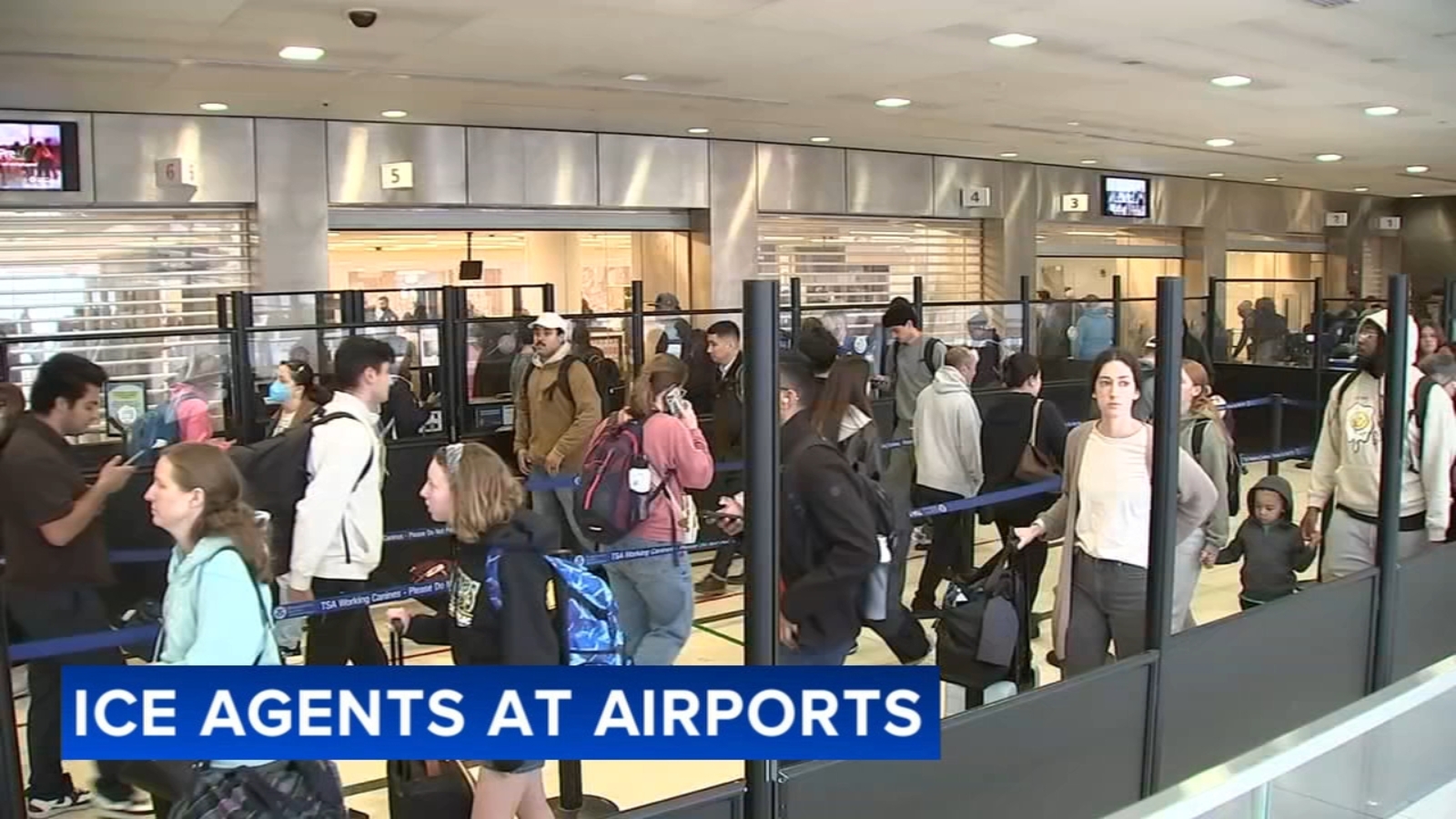
Hundreds of ICE agents are expected to be deployed to 14 U.S. airports to cover TSA duties amid the partial government shutdown, including Philadelphia, JFK, LGA, ORD, ATL and EWR. The shutdown has left TSA agents unpaid for nearly three weeks (if unresolved by Friday) and contributed to more than 400 TSA resignations and widespread call-outs, raising operational and financial-stress risks for airport security and travelers. The deployment aims to plug staffing gaps but has drawn union concern and could prolong travel disruptions if the shutdown continues.
Operational friction at TSA — not the headline itself — creates a short, measurable stress window for networked travel businesses: airlines with hub-and-spoke models face amplified connection risk because a small proportional slowdown at security cascades into disproportionately larger missed-connection rates and re-accommodation costs. For carriers with >30% connecting traffic at big hubs, a 10% increase in screening time can translate to a 1.5–3% hit to same-day completion rates, forcing either increased standby flying or higher voucher/refund expense within 1–3 weeks.
Second-order winners are firms that monetarily benefit from higher security and contingency spending (federal contractors with rapid procurement channels) and ultra-lean, point-to-point carriers that avoid hub contagion. Conversely, airport concession revenue and hub-dependent premium carriers are exposed to short-term ticket refunds, customer acquisiton costs, and reputational churn that could pressure near-term yields and ancillary revenue for the next 1–6 quarters if disruptions persist.
Catalysts that will re-rate the pocket stress are binary and quick: (1) a resolution within a week collapses volatility and tightens spreads (equity relief rally), (2) extension beyond 2–4 weeks materially raises re-accommodation costs and could shave 2–6 percentage points off quarterly margins for the weakest carriers. Tail risks include coordinated protests or a high-profile security incident tied to stopgap staffing arrangements, which would force regulatory scrutiny and longer-term operational changes.
AI-powered research, real-time alerts, and portfolio analytics for institutional investors.
Overall Sentiment
mildly negative
Sentiment Score
-0.25
