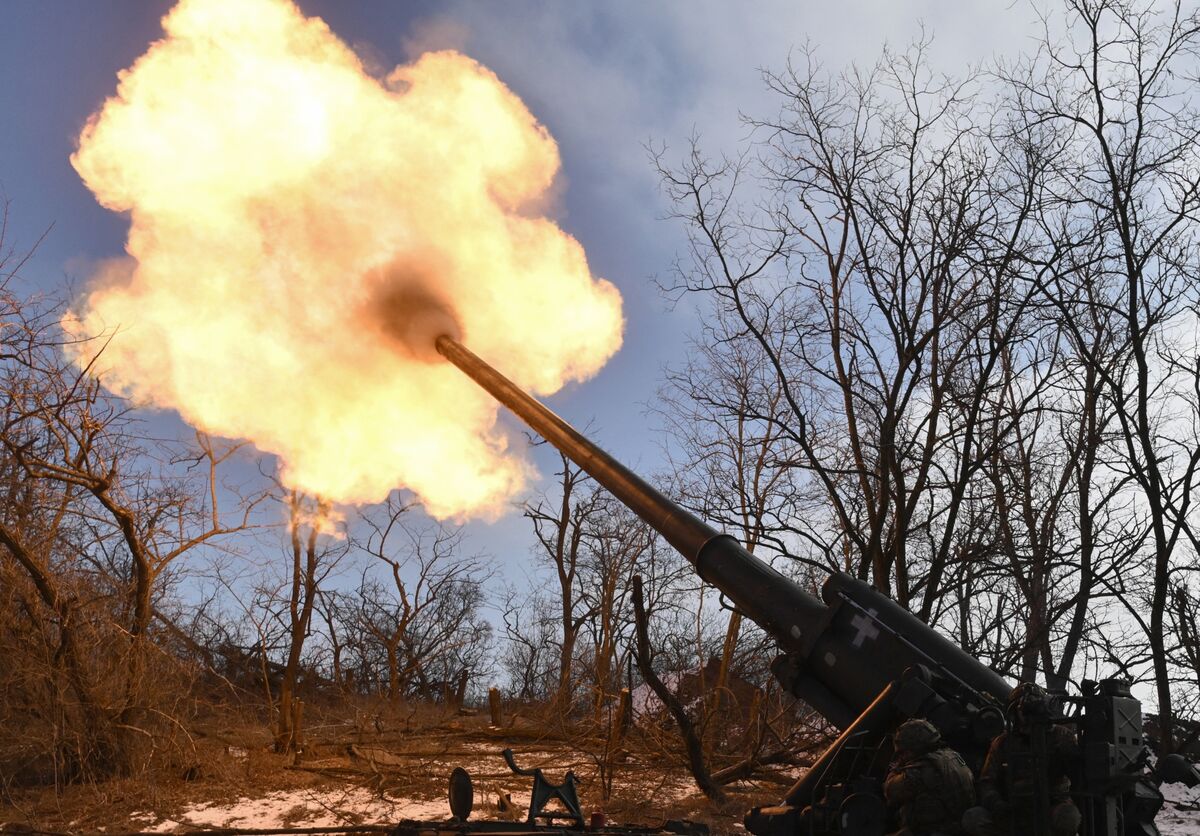
South Korea's Defense Intelligence Agency reports North Korea has supplied Russia with over 28,000 containers of munitions, equivalent to approximately 12 million 152mm artillery shells, since the start of the Ukraine war. This ongoing military aid highlights continued sanctions evasion and strengthens Russia's war effort, posing significant geopolitical implications for regional stability and the conflict's trajectory.
According to data from South Korea's Defense Intelligence Agency, North Korea has provided Russia with a substantial and continuous supply of munitions, estimated at over 12 million artillery shells transported in more than 28,000 containers. This large-scale logistical operation signifies a deep strategic alignment between Pyongyang and Moscow, directly enabling Russia to sustain its high-intensity war effort in Ukraine. The volume of the transfer underscores the limitations or circumvention of international sanctions and highlights a critical supply chain that could prolong the conflict. While the direct market impact is rated as low, this development reinforces the theme of a protracted war, with significant second-order effects. It solidifies a geopolitical axis operating outside of Western-led frameworks, creating persistent instability and influencing long-term defense spending outlooks for NATO members and their allies.
AI-powered research, real-time alerts, and portfolio analytics for institutional investors.
Request DemoOverall Sentiment
neutral
Sentiment Score
0.00
