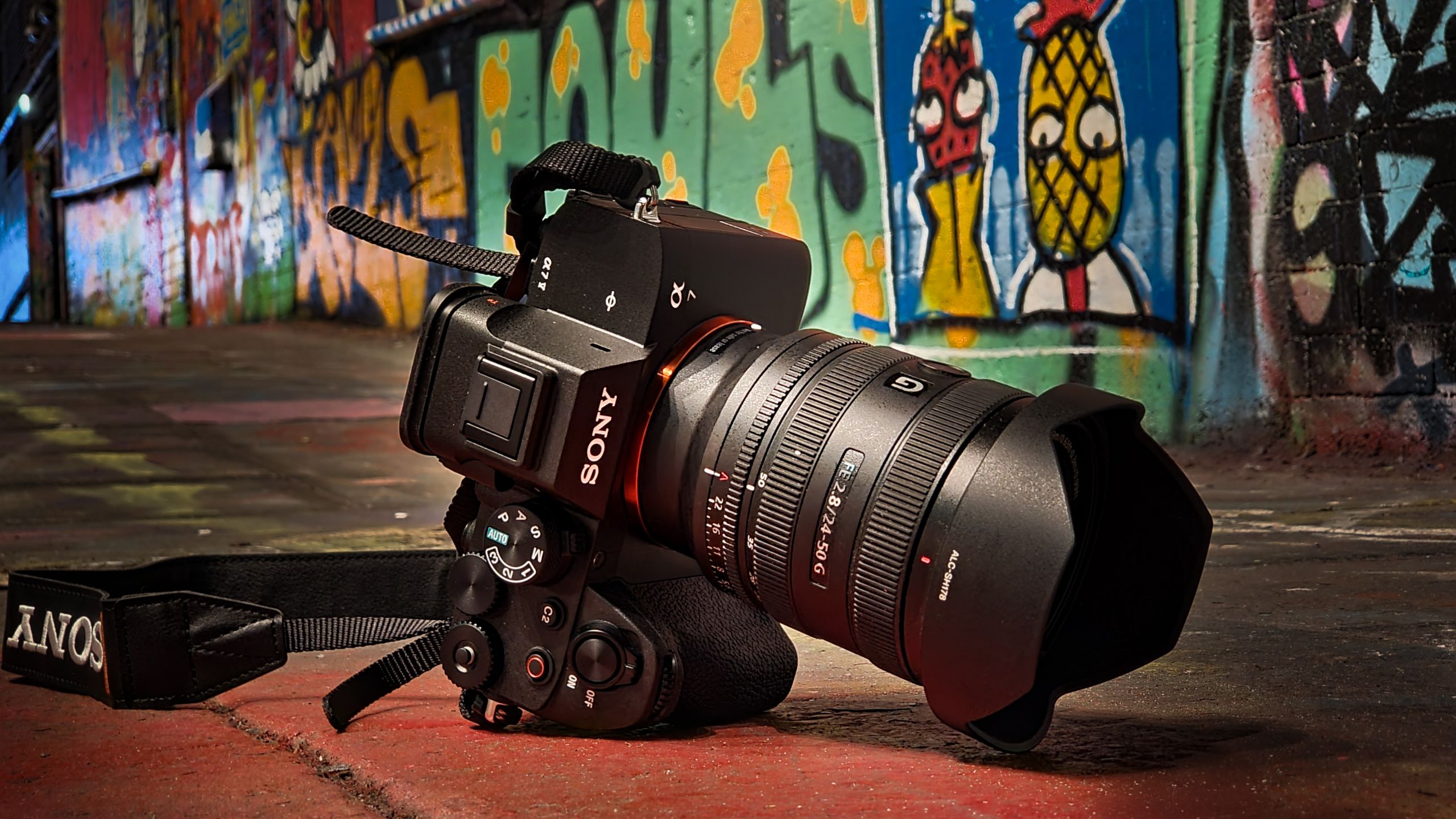
The newly released Sony A7 V, a 33MP full-frame mirrorless body priced at US$2,899 / £2,799 / AU$4,699, has rapidly become the top-selling camera at Japan's Yodobashi for late December 2025 and at US retailer B&H, while also ranking first in TechRadar's Best Camera for Photography and Best Mirrorless Camera guides. Key product strengths cited include a partially stacked 33MP sensor delivering 16 stops of dynamic range, 30fps continuous shooting, improved autofocus and class-leading battery life due to a unified processing/autofocus chip; these factors suggest robust consumer demand that could modestly support Sony's camera division revenue momentum, though limits on high-end video features may constrain uptake among video-first buyers.
Market structure: Sony’s A7 V success crystallizes upside for Sony’s Imaging business and specialist retailers (B&H, Yodobashi) while pressuring Nikon and mid‑tier Canon mirrorless lines. At $2,899 list price and top‑seller status immediately, expect Sony to capture a measurable share — plausibly +2–5 percentage points in the hybrid full‑frame segment over 6–12 months — which can lift segment ASPs and aftermarket lens attachment rates. The demand signal also tightens short‑term supply for high‑end sensors and autofocus modules (upward price pressure on camera component suppliers), while modest macro risk means only localized FX and credit spread moves (JPY ±0.5–1% effect on reported revenue).
Risk assessment: Key tail risks are supply‑chain disruption (sensor fab outage, geopolitical export controls), a macro drawdown that knocks discretionary camera spend by >15% YOY, or a firmware/quality recall that forces a product return. Timewise, headlines and channels drive immediate volatility (days–weeks), inventory and quarter revisions matter over 1–3 months, and durable market‑share changes play out across 3–12+ months. Hidden dependencies include Sony’s sensor sales to competitors (internal demand may reduce third‑party sensor revenue) and FX (a >3% JPY move would materially shift FY guidance). Catalysts to watch: competitor launches or price cuts within 90 days, Sony quarterly guide updates, and holiday channel restocking.
Trade implications: Favor asymmetric long exposure to SONY (NYSE: SONY / TSE: 6758.T) and relative shorts in Nikon (TSE: 7731.T) where product momentum lags; target a 2–3% portfolio long position in SONY with a 10% stop and 15% take‑profit horizon over 3 months. Implement a defined‑risk options collar if liquidity allows: buy a 3‑month ATM call and sell a 10% OTM call (call spread) sized to cap max loss at ~10% and target 25–40% upside on realized move. Rotate modest weight into Japan consumer electronics/retail (overweight 3–5% vs. benchmark) and underweight legacy DSLR suppliers.
Contrarian angles: The market may be underestimating replacement cadence — early adopters drive front‑loaded sales but replacement cycles can be 2–4 years, capping sustainable unit growth; channel‑stuffing could inflate near‑term figures and then normalize. Also, because Imaging is a minority of Sony’s consolidated income, stock moves may be muted versus the product press; if Sony’s sensor unit sheds third‑party customers to prioritize internal volumes, peers (sensor suppliers) could see revenue pressure. Watch for competitor firmware/feature responses and inventory days trending +15% QoQ as signals to trim positions.
AI-powered research, real-time alerts, and portfolio analytics for institutional investors.
Request DemoOverall Sentiment
moderately positive
Sentiment Score
0.62
Ticker Sentiment
